
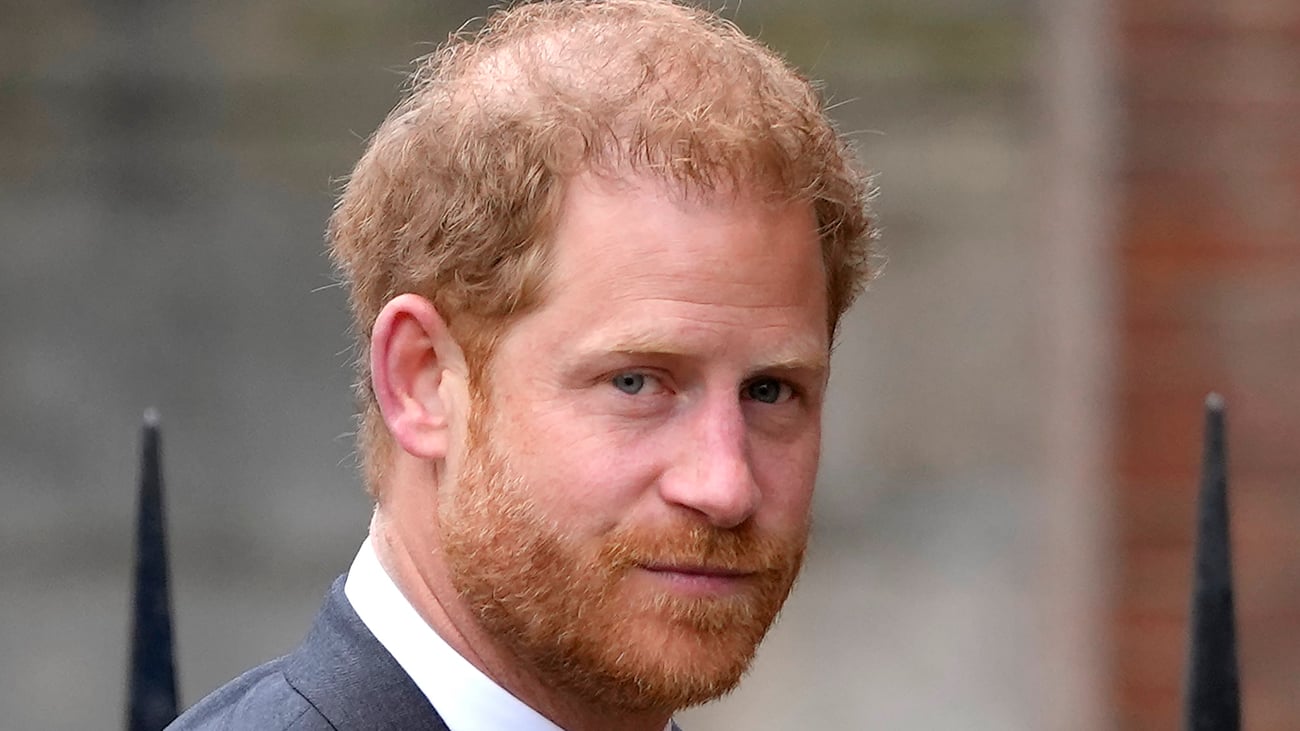
Prince Harry African Parks Ranger Abuse Scandal: Board Exit Confirmed
Summary
- Prince Harry has stepped down from the board of African Parks, a conservation charity, after a decade of involvement.
- His departure follows an independent investigation last year that substantiated allegations of ranger abuses, including rape and torture of Indigenous people, at Odzala-Kokoua National Park in the Republic of Congo.
- African Parks, which manages 24 protected areas and receives EU and U.S. funding, acknowledged its guards were involved in "rights abuses" in May 2025.
- The charity stated Harry's exit was a "mutually agreed" part of a "routine governance refresh," not a removal.
- The scandal highlights significant compliance and reputational risks for international NGOs regarding human rights abuses by local staff, particularly concerning Indigenous communities.
Prince Harry Departs African Parks Board Amid Scandal
The Prince Harry African Parks ranger abuse scandal demonstrates how human rights abuses by local staff can severely impact an organization's credibility and operational integrity.
Britain's Prince Harry has stepped down from his role on the board of African Parks, a prominent conservation charity, a move confirmed by his spokesperson on Monday. This departure follows a period of significant controversy for the organization last year, stemming from allegations of misconduct by its rangers. The Duke of Sussex, who had served as a trustee, concluded his formal association with the charity after a decade of involvement, which included a six-year tenure as its president until 2023, before joining the governing board of directors.
The African Parks board resignation comes after the charity acknowledged in May 2025 that its guards were implicated in "rights abuses" at Odzala-Kokoua National Park, located in the Republic of Congo. The allegations, which contributed to the Prince Harry African Parks ranger abuse scandal, reportedly involved severe human rights violations, including the rape and torture of Indigenous people. Despite the gravity of these claims, the charity stated that Prince Harry's exit was a "mutually agreed" decision, part of a "routine governance refresh" after his ten years of service, explicitly denying that he was removed from the board.
Prince Harry's spokesperson reiterated his continued commitment to African conservation and his support for African Parks' mission, expressing pride in his decade-long association with the organization and its ongoing board strengthening efforts. The timing of his departure also coincided with his anticipated return to the United Kingdom, following a recent announcement regarding his family's relocation from the United States. Harry and his wife, Meghan Markle, the Duchess of Sussex, who had resided in California with their two young children since leaving Britain in 2020, are now relocating to the United Kingdom for an extended period.
Details of Ranger Abuses and Investigation
The core of the Congo conservation charity scandal revolves around serious accusations made against rangers employed by African Parks. These allegations, which include rape, beatings, and torture, were reportedly perpetrated against members of the Baka community, a group of hunter-gatherers residing near the Odzala-Kokoua National Park in northern Congo. Reports from British publication Mail on Sunday and German outlet Tagesschau cited local residents who detailed these grave abuses, painting a disturbing picture of the conditions faced by Indigenous people in the vicinity of the protected area.
African Parks, which oversees 24 protected areas across 13 countries and receives substantial funding from both the European Union and the United States, confirmed last year that an independent investigation had substantiated these allegations of abuses at the park. However, the charity did not publicly disclose specific details regarding the violations committed against the Baka community. The lack of transparency surrounding the findings of this investigation has raised concerns, particularly given the severe nature of the African Parks human rights abuses and the vulnerability of the affected Indigenous populations.
Governance and Reputational Implications
The incident highlights significant governance challenges for international non-governmental organizations operating in complex environments. While African Parks characterized Prince Harry's departure as a routine governance refresh, the context of the ongoing ranger abuse scandal inevitably links his exit to broader questions of accountability and oversight within the charity. The allegations of Indigenous people rights violations Africa, particularly by personnel employed by a conservation group, underscore the critical need for robust internal controls and ethical frameworks.
For charities like African Parks, which manage vast protected areas and rely on international financial support, such scandals carry substantial reputational and compliance risks. The involvement of a high-profile figure like Prince Harry, despite his stated support for the organization, draws increased scrutiny to the charity's operations and its handling of human rights issues. The situation serves as a stark reminder that even well-intentioned conservation efforts must be meticulously managed to prevent and address abuses, ensuring that the rights and well-being of local communities are protected.
Why It Matters for International NGOs
This case underscores critical compliance and reputational risks for international NGOs and charities, particularly those that receive foreign funding from entities like the EU and the U.S. The Prince Harry African Parks ranger abuse scandal demonstrates how human rights abuses by local staff can severely impact an organization's credibility and operational integrity. It highlights the imperative for robust internal investigation protocols, transparent governance structures, and rigorous due diligence processes to mitigate exposure to such scandals.
Organizations must ensure accountability for violations against indigenous communities, not only to uphold ethical standards but also to safeguard their funding streams and public trust. The allegations of Odzala-Kokoua National Park ranger abuses serve as a cautionary tale, emphasizing that conservation goals cannot be achieved at the expense of human rights. This incident necessitates a thorough review of how international charities monitor and respond to allegations of misconduct, especially when operating in remote or sensitive regions where oversight can be challenging.
Practical Implications
This case highlights significant compliance and reputational risks for international NGOs and charities, particularly those receiving foreign funding (EU/US), regarding human rights abuses by local staff. Legal counsel and compliance officers should review internal investigation protocols, governance structures, and due diligence processes to mitigate exposure to such scandals and ensure accountability for violations against indigenous communities.
Source
How does this affect you?
Get an AI analysis of this article grounded in your jurisdictions, practice areas, and any policy documents you've uploaded to Wansom.
Wansom is AI and can make mistakes.