
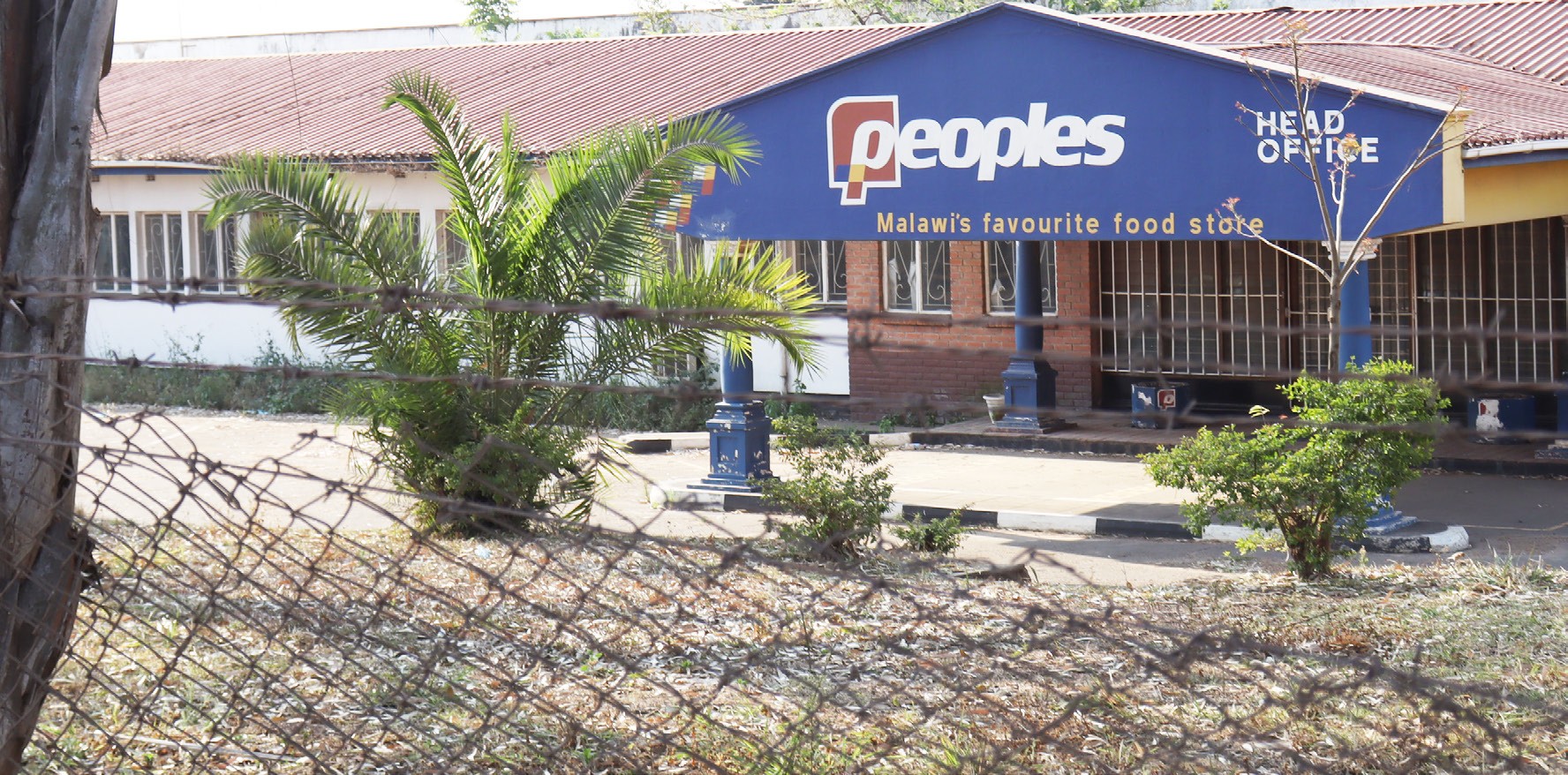
Press Corporation K7 Billion PTC Debt: Malawi High Court Orders Payment
Summary
- Malawi's High Court ordered Press Corporation plc (PCL) to pay K7.07 billion for debts of its subsidiary, People’s Trading Centre (PTC).
- PTC is currently under liquidation, and PCL is the country's largest holding company.
- The court also mandated PCL to cover 70 percent of the litigation costs.
- This ruling sets a significant precedent for parent company liability regarding subsidiary debts in Malawi.
What Happened
This judgment by the Malawi High Court establishes a notable precedent regarding parent company liability for subsidiary debts, especially when the subsidiary is in liquidation.
A recent High Court ruling from the Commercial Division in Blantyre has mandated Press Corporation plc (PCL), identified as Malawi's largest holding company, to settle a K7.07 billion debt. This significant financial obligation stems from the liabilities incurred by its subsidiary, People’s Trading Centre (PTC), which is currently undergoing liquidation. The court's decision places the responsibility for the subsidiary's outstanding debts squarely on the parent conglomerate.
In addition to the substantial K7.07 billion payment, the High Court also ordered Press Corporation plc to cover a significant portion of the legal expenses associated with the case. Specifically, PCL is required to pay 70 percent of the total litigation costs. This ruling underscores the financial implications for parent companies when their subsidiaries face insolvency and liquidation, particularly concerning the extent of their financial exposure.
Legal Context
This judgment by the Malawi High Court establishes a notable precedent regarding parent company liability for subsidiary debts, especially when the subsidiary is in liquidation. The decision to hold Press Corporation plc accountable for the K7.07 billion People’s Trading Centre liquidation debt highlights a potential shift in how corporate group liability Malawi is interpreted and enforced. Typically, subsidiaries are treated as separate legal entities, shielding parent companies from their debts.
However, the court's order suggests circumstances under which this corporate veil can be pierced, compelling a parent entity like PCL to assume the financial burdens of its struggling offspring. The fact that PTC's headquarters were located at Chichiri, while a minor detail, forms part of the factual background of the entity whose debts are now being transferred. This ruling will likely prompt a re-evaluation of inter-company financial arrangements and the legal safeguards employed by corporate groups in Malawi to manage subsidiary risks.
Why It Matters
The High Court's K7.07 billion payment order against Press Corporation plc for its subsidiary's debt carries profound implications for corporate governance and risk management across Malawi. This ruling signals that parent companies may face direct financial exposure for their subsidiaries' liabilities, particularly when those subsidiaries enter liquidation. It underscores the importance for lawyers and compliance officers to meticulously review existing corporate structures and advise clients on the potential for parent entities to be held responsible for the financial distress of their subordinate companies.
This development necessitates a closer examination of the relationships between parent companies and their subsidiaries, urging greater scrutiny of financial oversight and operational control. The Malawi High Court subsidiary liability ruling could lead to more stringent due diligence processes for acquisitions and investments, as well as a re-evaluation of corporate guarantees and inter-company loan agreements to mitigate similar risks in the future. The decision sets a new benchmark for accountability within corporate groups operating in the country.
Practical Implications
This High Court ruling establishes a significant precedent regarding parent company liability for subsidiary debts in Malawi, particularly when the subsidiary is under liquidation. Lawyers and compliance officers should review corporate structures and advise clients on potential financial exposure for parent entities arising from their subsidiaries' financial distress, and consider the implications for corporate governance and risk management in Malawi.
Source
How does this affect you?
Get an AI analysis of this article grounded in your jurisdictions, practice areas, and any policy documents you've uploaded to Wansom.
Finish Reading the Full Story and the Expert Analysis.
Wansom is AI and can make mistakes.