
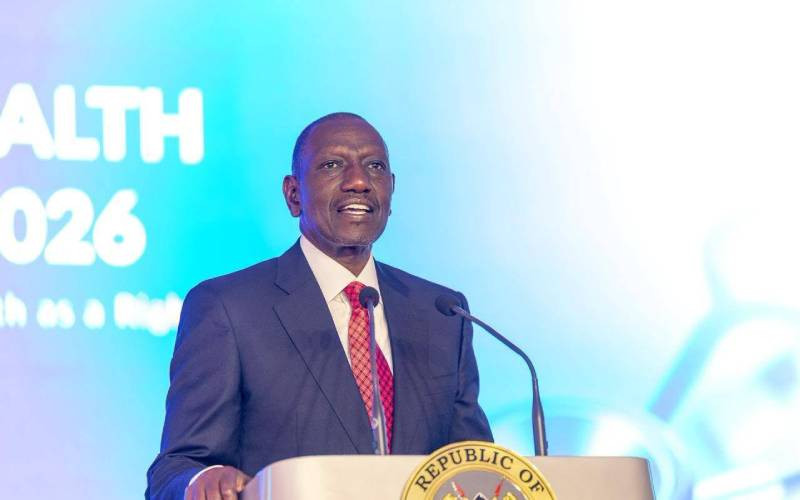
President Ruto Criticizes NHIF System as Opaque and Vulnerable to Abuse
Summary
- President William Ruto has accused the old NHIF system of enabling theft from sick Kenyans.
- The new Social Health Authority (SHA) has registered over 32 million Kenyans since its inception in October 2024.
- Digital health systems are seen as a key component in closing loopholes and providing more transparent healthcare services.
What Happened
We heard of claims for procedures that never happened, fictitious patients and inflated bills. That was not healthcare, it was theft, and theft from sick Kenyans.
The old National Health Insurance Fund (NHIF) system in Kenya was marred by claims for procedures that never occurred, fictitious patients, and inflated bills. This led President William Ruto to describe the system as opaque and vulnerable to abuse. The situation was so dire that millions of Kenyans had to pay out-of-pocket for medical care, borrow money, sell assets, or organize harambees to cover costs. The old system's weaknesses allowed people to profit from its loopholes, but Ruto believes digital health systems can close these gaps and provide more transparent and accountable healthcare services.
Relevant Legal/Regulatory Context
The reforms aimed at improving the healthcare system in Kenya are built on four key laws signed by President Ruto in October 2023. These include the Primary Health Care Act, the Social Health Insurance Act, the Digital Health Act, and the Facilities Improvement Financing Act. The new system has already shown promising results, with over 32 million Kenyans registered under the Social Health Authority (SHA), which replaced NHIF in October 2024. SHA has received more than Sh209 billion ($1.62 billion) since its inception and paid out over Sh178 billion ($1.38 billion) to contracted facilities across all 47 counties.
Why It Matters
The new healthcare reforms in Kenya have the potential to transform the way healthcare is delivered, financed, and accounted for. With digital health systems at its core, the reforms aim to provide more transparent and accountable services, reducing the likelihood of medical negligence or malpractice. As Ruto noted, the ultimate measure of reform is not just about passing laws or registering numbers but ensuring that patients receive dependable, affordable, and dignified care.
Practical Implications
Lawyers should watch for potential claims of medical negligence or malpractice against healthcare providers who profited from the old NHIF system's weaknesses, and advise clients on the implications of the new digital health systems and reforms.
Source
How does this affect you?
Get an AI analysis of this article grounded in your jurisdictions, practice areas, and any policy documents you've uploaded to Wansom.
Wansom is AI and can make mistakes.