
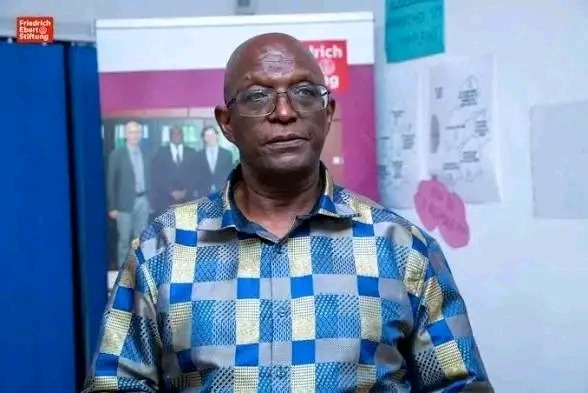
Dr. Neo Simutanyi: Zambia State Burial Law Challenge Defends Family Rights
Summary
- Political Scientist Dr. Neo Simutanyi has legally challenged Zambia's law mandating state burials for former presidents and vice-presidents.
- He argues that compulsory government involvement in these burials could infringe upon the rights and wishes of bereaved families.
- The challenge questions the extent of state legislative power over private family matters.
The Challenge Unfolds
Lawyers should closely monitor this challenge as it directly questions the extent of state legislative power over private family matters, potentially influencing future legal interpretations or challenges to similar mandates in Zambia.
Political Scientist Dr. Neo Simutanyi has initiated a significant legal challenge in Zambia, directly targeting the existing legislation that mandates state burials for the nation's former presidents and vice-presidents. This action, focusing on the Zambia state burial law challenge Simutanyi has brought forward, questions the extent of governmental authority in deeply personal family matters. Dr. Simutanyi's contention centers on the principle that while state recognition for national figures is understandable, making government involvement mandatory in their final rites could infringe upon the fundamental rights and wishes of their bereaved families.
The core of Dr. Neo Simutanyi's argument against the state burial law is that it removes agency from families during a period of profound grief. He posits that the state's insistence on controlling the burial arrangements, irrespective of familial desires, potentially disregards cultural, religious, or personal preferences that families might hold for their loved ones. This legal move highlights a critical intersection between public recognition and private autonomy, setting the stage for a debate on where the state's prerogative should end and individual family rights begin concerning the deceased.
Legal and Ethical Concerns
The challenge brought by Dr. Neo Simutanyi delves into profound legal and ethical considerations surrounding the state's role in personal affairs. By questioning the mandatory state burial law, he raises concerns about the potential for government directives to override the deeply personal and often culturally significant decisions made by families regarding the interment of their deceased. The argument underscores that while national heroes deserve respect, the method of their burial should ideally align with the wishes of those closest to them, rather than being solely dictated by state legislation. This perspective emphasizes the rights of bereaved families Zambia law should protect, ensuring their autonomy in such sensitive matters.
This legal action, specifically targeting the Zambia former presidents burial legislation, implicitly questions whether the state's legislative power extends to dictating the private aspects of mourning and remembrance. The mandatory nature of the current law suggests a pre-emption of family choice, which Dr. Simutanyi argues could be an overreach. The case could prompt a re-evaluation of how state honors are conferred without inadvertently diminishing the personal and private aspects of a family's farewell, asserting that the state's involvement, if any, should be supportive rather than prescriptive.
Broader Implications
The legal challenge initiated by Dr. Neo Simutanyi carries significant implications beyond the specific issue of state burials for former leaders. This legal challenge state burial Zambia faces could serve as a precedent for scrutinizing other areas where state mandates might impinge on private family decisions. Lawyers should closely monitor this challenge as it directly questions the extent of state legislative power over private family matters, potentially influencing future legal interpretations or challenges to similar mandates in Zambia. The outcome could redefine the boundaries between public recognition and individual family rights, especially concerning deeply personal and culturally sensitive practices.
Furthermore, this mandatory state burial law challenge highlights a broader discussion about governance and individual liberties within Zambia. It forces a contemplation of whether legislation, even when intended to honor national figures, should ever completely supersede the deeply ingrained customs, beliefs, and personal choices of families. The resolution of this case could therefore have far-reaching effects on how future laws are drafted and interpreted, particularly those that touch upon the delicate balance between state authority and the fundamental rights of citizens and their families to make decisions concerning their private lives and traditions.
Practical Implications
Lawyers should monitor this challenge as it questions the extent of state legislative power over private family matters, potentially influencing future legal interpretations or challenges to similar mandates in Zambia.
Source
How does this affect you?
Get an AI analysis of this article grounded in your jurisdictions, practice areas, and any policy documents you've uploaded to Wansom.
Finish Reading the Full Story and the Expert Analysis.
Get the latest legal & regulatory intelligence in Zambia
Wansom is AI and can make mistakes.