
Pilex Centre: Challenges PIA Gas Flaring Legality At Federal High Court
Summary
- The Pilex Centre for Civic Education Initiative has filed a lawsuit at the Federal High Court against the Federal Government.
- The civil society organisation is challenging specific provisions of the Petroleum Industry Act 2021 related to gas flaring.
- The suit aims to address the environmental and human consequences of gas flaring and toxic emissions, filed in the public interest.
- A successful challenge could significantly alter compliance obligations, environmental liabilities, and regulatory certainty for oil and gas operators in Nigeria.
Initiating a Legal Challenge
Lawyers and compliance officers in the Nigerian oil and gas sector should monitor this case closely, as a successful challenge to the PIA's gas flaring provisions could alter compliance obligations, environmental liabilities, and regulatory certainty for operators.
The Pilex Centre for Civic Education Initiative, a prominent civil society organisation, has formally initiated legal proceedings before the Federal High Court in Nigeria. This action targets specific provisions within the Petroleum Industry Act 2021 (PIA) that pertain to gas flaring, marking a significant development in Nigeria's ongoing environmental and energy discourse.
The suit, filed against the Federal Government, underscores a broader commitment by the Pilex Centre to public interest advocacy. The organisation asserts that its primary motivation for bringing this case is to confront the severe environmental and human consequences stemming from gas flaring and the associated toxic emissions prevalent in the nation's oil and gas sector.
By challenging these particular provisions of the PIA 2021, the Pilex Centre aims to compel a re-evaluation or stricter enforcement of regulations governing gas flaring. This move highlights the persistent concerns among civil society groups regarding the environmental impact of petroleum operations and the adequacy of existing legal frameworks to address them effectively.
This Federal High Court Nigeria environmental suit represents a direct challenge to the legislative framework intended to govern the country's petroleum industry, specifically questioning the efficacy or legality of its approach to a long-standing environmental hazard. The Pilex Centre challenges PIA gas flaring provisions, seeking to ensure greater accountability and protection for affected communities and ecosystems.
The Petroleum Industry Act and Gas Flaring
The Petroleum Industry Act 2021 (PIA) was enacted as a landmark piece of legislation designed to reform Nigeria's oil and gas sector, aiming to attract investment, enhance transparency, and improve environmental management. Among its comprehensive provisions, the PIA includes specific clauses intended to regulate and ultimately curb the practice of gas flaring, which has historically been a major environmental and public health issue in the country.
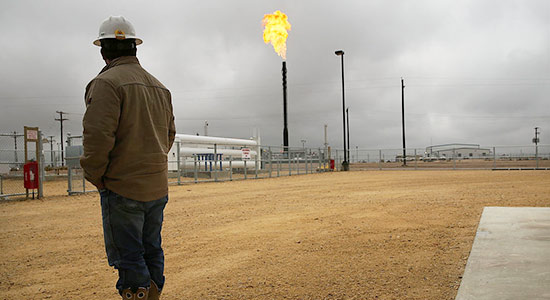
Gas flaring, the burning of natural gas associated with crude oil extraction, releases significant quantities of greenhouse gases and other pollutants into the atmosphere. This practice has been linked to various health problems in host communities and contributes substantially to climate change. Despite previous regulatory efforts, gas flaring has persisted, prompting continued calls for more stringent measures and enforcement.
This legal action by the Pilex Centre for Civic Education Initiative specifically scrutinizes the Petroleum Industry Act 2021 gas flaring provisions. The challenge suggests that, in the view of the civil society organisation, these provisions may not be sufficiently robust or effective in achieving their stated environmental objectives, or that their implementation falls short of addressing the urgent public interest concerns.
The PIA's intent was to provide a clearer framework for the industry, including penalties and incentives related to gas utilization rather than flaring. However, the current PIA gas flaring legality challenge indicates a perceived gap between the legislative intent and the practical outcomes or the strength of the legal wording itself, particularly concerning its ability to mitigate environmental and human harm.
Implications for Nigeria's Energy Sector
The outcome of this Nigeria oil and gas litigation holds significant implications for various stakeholders within the country's energy sector. Lawyers and compliance officers in the Nigerian oil and gas sector should monitor this case closely, as a successful challenge to the PIA's gas flaring provisions could alter compliance obligations, environmental liabilities, and regulatory certainty for operators.
Should the Federal High Court rule in favour of the Pilex Centre, it could necessitate amendments to the PIA's gas flaring provisions or lead to a reinterpretation of existing regulations, potentially imposing stricter requirements on oil and gas companies. This could translate into increased operational costs for compliance, investments in gas utilization technologies, and heightened scrutiny over environmental performance.
Conversely, a ruling upholding the current PIA provisions would affirm the government's existing framework but might intensify calls for more aggressive enforcement from civil society. The case also serves as a critical test of the judiciary's role in environmental protection and its willingness to intervene in matters concerning major economic legislation when public interest and environmental concerns are at stake.
Ultimately, this PIA gas flaring legality challenge underscores the ongoing tension between economic development and environmental sustainability in Nigeria. The resolution of this suit will undoubtedly shape future policy directions and corporate practices concerning gas flaring, impacting both the operational landscape for energy companies and the environmental well-being of affected communities.
Practical Implications
Lawyers and compliance officers in the Nigerian oil and gas sector should monitor this case closely, as a successful challenge to the PIA's gas flaring provisions could alter compliance obligations, environmental liabilities, and regulatory certainty for operators.
Source
How does this affect you?
Get an AI analysis of this article grounded in your jurisdictions, practice areas, and any policy documents you've uploaded to Wansom.
Finish Reading the Full Expert Analysis.
Wansom is AI and can make mistakes.