
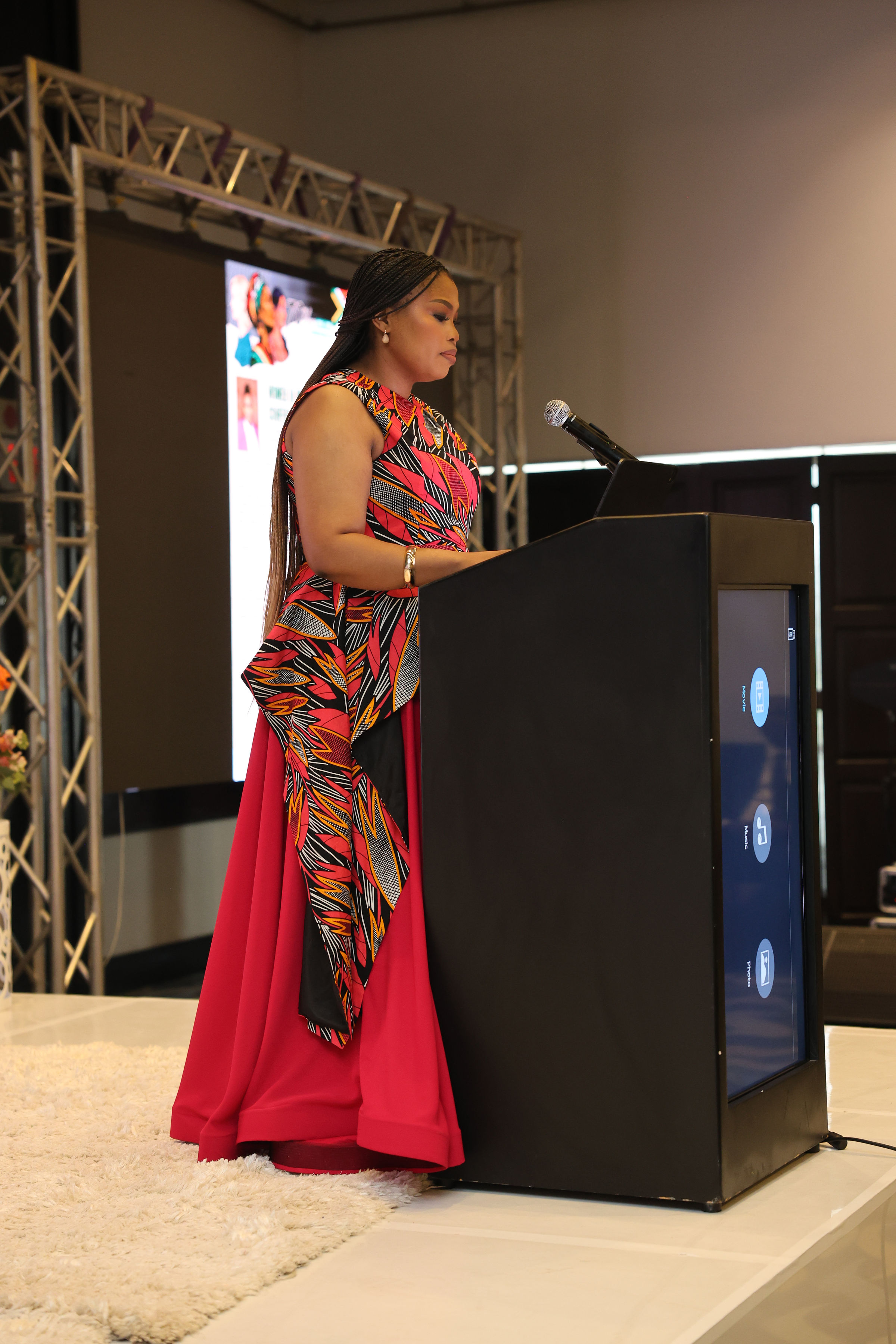
Phumzile Mgcina: Women in Mining Petroleum Need Information Access for Empowerment
Summary
- Deputy Minister Phumzile Mgcina addressed the Women in Mining and Petroleum Conference on September 7, 2026, in Durban.
- She identified the lack of access to information as a significant barrier to women's meaningful participation in the economy.
- The Minerals and Petroleum Resources Development Act (MPRDA) of 2002 placed custodianship of resources with the state, ensuring women's stake and equal opportunity.
- Over 78,000 women are active in mining, with thousands more in petroleum, many in senior leadership roles.
- Despite progress, existing information is often not easily accessible or effectively distributed to women who need it.
Key Address at Industry Conference
The identified challenge of 'lack of access to information' is particularly salient, suggesting a need for enhanced transparency and more effective communication strategies within the sectors.
Deputy Minister Phumzile Mgcina delivered a significant address at the Women in Mining and Petroleum Conference held on Monday, September 7, 2026, at the Southern Sun Elangeni-Maharani in Durban. The event, attended by various government officials, state-owned entity representatives, and mining house delegates, served as a platform to discuss critical issues facing women in these vital sectors.
During her speech, Deputy Minister Mgcina highlighted a primary obstacle hindering women's full participation in the mainstream economy: the persistent lack of access to crucial information. She emphasized that addressing this challenge is essential for fostering greater inclusion and empowerment within South Africa's mining and petroleum industries.
The Deputy Minister acknowledged the presence of eThekwini Municipality's Deputy Mayor, Councillor Zandile Myeni, among other distinguished guests, underscoring the collaborative effort required to tackle these systemic issues. Her remarks set a clear agenda for collective action aimed at dismantling barriers to entry and advancement for women.
South Africa's Transformative Journey
South Africa boasts a rich history as an active mining jurisdiction spanning over a century, with both the mining and petroleum sectors serving as fundamental drivers of economic growth, industrial development, foreign direct investment, and job creation. Despite their significant contributions over many years, these industries historically excluded many individuals, particularly women, from meaningful participation.
The advent of democracy in 1994 initiated a profound transformation, moving the nation from an era of marginalization towards a constitutional democracy founded on principles of unity, non-racialism, non-sexism, and prosperity. Since then, the government has actively pursued economic transformation, implementing various policies and legislative frameworks to enable historically disadvantaged persons to engage more meaningfully in economic activities.
A cornerstone of this transformation in the minerals and petroleum sectors was the enactment of the Minerals and Petroleum Resources Development Act (MPRDA) in 2002. This legislation fundamentally shifted the custodianship of the country’s mineral and petroleum resources to the state, on behalf of all citizens, echoing the Freedom Charter's declaration that "the people shall share in the country’s wealth." Consequently, the MPRDA ensures that women, irrespective of their geographical location, possess a stake in these resources and an equal opportunity to participate in core industry activities.
Progress and Persistent Hurdles
Significant progress has been made in integrating women into these historically male-dominated sectors. Currently, over 78,000 women are actively involved in the mining industry, with thousands more participating in the petroleum sector. This involvement extends beyond mere employment, as many women now lead multinational companies and occupy senior managerial and executive positions across both industries.
Deputy Minister Phumzile Mgcina underscored that these women are not merely beneficiaries of affirmative action but are professional individuals who have unequivocally demonstrated their capability to lead within these demanding environments. Their achievements reflect a tangible shift in the landscape of South African industry.
However, despite these advancements, the Deputy Minister stressed that the lack of access to information remains a formidable barrier preventing even greater participation by women in mining and petroleum. She clarified that this isn't due to a lack of effort by women to seek information, but rather that existing information is often not easily accessible, understandable, or effectively disseminated to those who need it most. This systemic issue necessitates deliberate and sustained intervention to ensure the right information reaches the right people.
Why It Matters
The remarks by Deputy Minister Mgcina at the Women in Mining and Petroleum Conference highlight the South African government's ongoing commitment to fostering an inclusive economy where women can thrive. The emphasis on the MPRDA 2002 as a foundational tool for transformation reinforces the legal framework underpinning these efforts.
The identified challenge of 'lack of access to information' is particularly salient, suggesting a need for enhanced transparency and more effective communication strategies within the sectors. This issue, as articulated by Deputy Minister Phumzile Mgcina, points towards potential future policy or regulatory initiatives aimed at improving information dissemination, which could impact compliance strategies for companies operating in these industries.
Ultimately, the conference served as a crucial forum for stakeholders to collectively address the remaining hurdles, ensuring that the progress made in women's empowerment continues to accelerate, aligning with the nation's broader goals of non-sexism and shared prosperity.
Practical Implications
This speech reinforces the South African government's commitment to transformation and women's participation in the mining and petroleum sectors, particularly through the MPRDA. Lawyers and compliance officers should note the identified challenge of 'lack of access to information' as it may signal future policy or regulatory initiatives aimed at improving transparency or information dissemination, impacting compliance strategies for clients in these industries.
Source
How does this affect you?
Get an AI analysis of this article grounded in your jurisdictions, practice areas, and any policy documents you've uploaded to Wansom.
Finish Reading the Full Story and the Expert Analysis.
Get the latest legal & regulatory intelligence in South Africa
Wansom is AI and can make mistakes.