
Adeyemi PFIPC: Businessman Reveals N400 Million Facilitation Fee for Nigeria Contract
Summary
- A businessman paid N400 million as facilitation fee for a PFIPC contract.
- The payment was allegedly necessary to demonstrate his ability to handle the project and expedite mobilization.
- The revelation raises concerns about corruption and bribery in government contracts, particularly those involving high-value payments or facilitation fees.
- The probe into a fake agency that facilitated the PFIPC contract has shed light on the murky world of government contracting.
PFIPC Contract Payment Scandal Unfolds
The payment was allegedly necessary to demonstrate his ability to handle the project and expedite mobilization for the contract.
A businessman has come forward to reveal that he was forced to pay a staggering N400 million as facilitation fee for a PFIPC contract. According to the businessman, this payment was necessary to demonstrate his ability to handle the project and expedite mobilization for the contract. The revelation raises serious concerns about corruption and bribery in government contracts, particularly those involving high-value payments or facilitation fees.
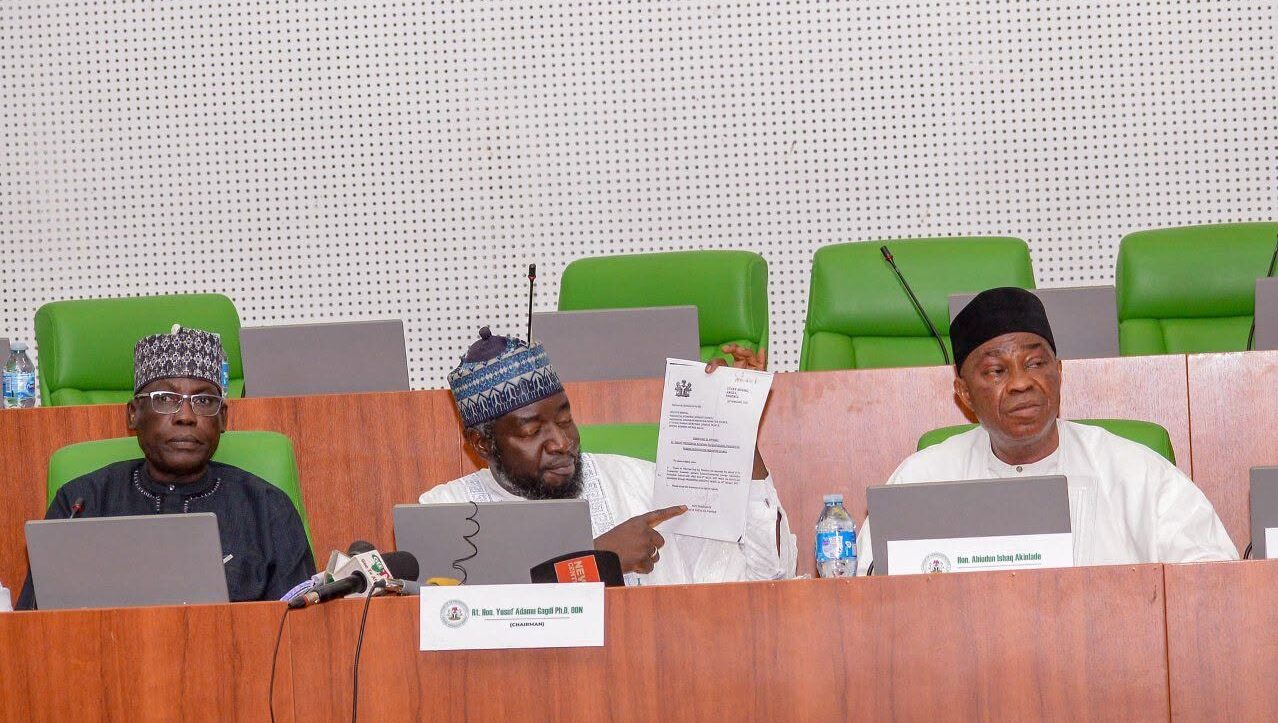
The businessman's testimony is part of an ongoing probe into a fake agency that allegedly facilitated the PFIPC contract. The investigation has shed light on the murky world of government contracting, where companies are often forced to pay exorbitant fees to secure lucrative deals.
Legal Context: Government Contracts and Facilitation Fees
In Nigeria, government contracts often involve complex web of relationships between contractors, middlemen, and government officials. The payment of facilitation fees is a common practice in this sector, but it can also be a conduit for corruption and bribery. Under Nigerian law, the payment of facilitation fees is not necessarily illegal, but it can be considered a form of gratification that may compromise the integrity of the contracting process.
The PFIPC contract scandal highlights the need for greater transparency and accountability in government contracting. It also underscores the importance of robust regulatory frameworks to prevent corruption and ensure that contracts are awarded based on merit rather than bribes or other forms of inducement.
Why It Matters: Corruption and Bribery in Government Contracts
The PFIPC contract scandal has far-reaching implications for the Nigerian economy and the rule of law. The payment of N400 million as facilitation fee is a stark reminder of the scale of corruption and bribery that can occur in government contracts. This practice not only undermines the integrity of the contracting process but also deprives the government of much-needed revenue.
Lawyers and policymakers must take note of this scandal and work towards preventing similar cases in the future. This requires robust regulatory frameworks, increased transparency, and a commitment to rooting out corruption and bribery in all its forms.
Practical Implications
Lawyers should watch for potential corruption and bribery exposure in government contracts, particularly those involving high-value payments or facilitation fees.
Source
How does this affect your business?
Get an AI analysis of this article grounded in your jurisdictions, practice areas, and any policy documents you've uploaded to Wansom.
Wansom is AI and can make mistakes.