
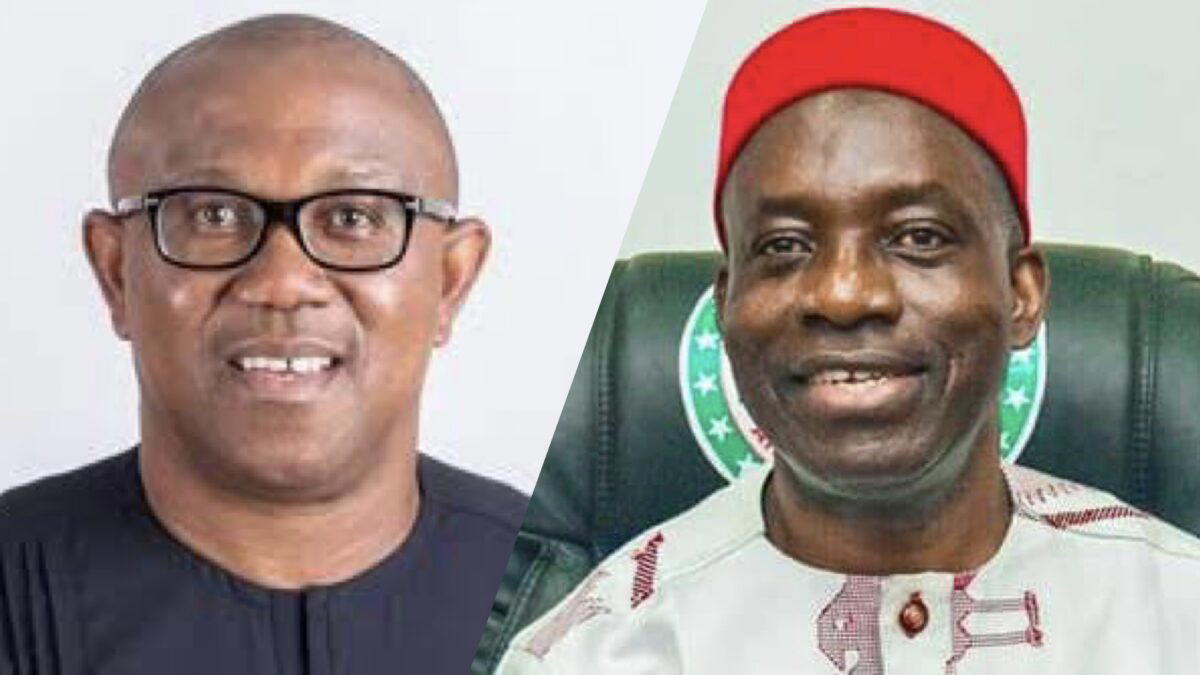
Anambra State: Peter Obi Anambra Loan Deductions Continue
Summary
- Anambra State continues to face deductions from its federal allocations for loans taken during the Peter Obi administration.
- Commissioner for Finance, Izuchukwu Okafor, confirmed that these deductions are still actively being made.
- Some of these loans were guaranteed by the Federal Government, but this does not mean they were grants or non-repayable funds.
- Federal government loan guarantees ensure repayment but do not absolve the state of its financial obligation.
- These ongoing deductions significantly impact Anambra State's current fiscal capacity and future financial planning.
Ongoing Loan Deductions for Anambra State
For lawyers advising on public finance or state-level investments in Nigeria, this situation highlights the critical importance of understanding how federal guarantees on state loans impact ongoing fiscal allocations.
Anambra State continues to experience regular deductions from its statutory allocations, a direct consequence of loans secured during the administration of former Governor Peter Obi. These persistent financial obligations highlight the enduring impact of public borrowing on state finances, extending well beyond the tenure of the government that initially incurred the debt. Commissioner for Finance, Izuchukwu Okafor, recently confirmed that these deductions are still actively being processed, underscoring a consistent fiscal reality for the current Anambra State government.
A key aspect of these financial arrangements is that some of the facilities obtained by the Peter Obi administration were backed by guarantees from the Federal Government. While such federal backing can facilitate access to credit for sub-national entities, it does not alter the fundamental nature of these financial instruments. Commissioner for Finance, Izuchukwu Okafor, explicitly clarified that these federal government loan guarantees should not be misinterpreted as outright grants or funds that do not require repayment.
The continued practice of deducting these loan repayments directly from Anambra's federal allocations illustrates the established mechanism for managing Nigeria public debt deductions, particularly at the state level. This process confirms that even with federal involvement in securing the loans, the ultimate responsibility for Anambra state loan repayment rests with the state itself, directly affecting its current fiscal capacity and available resources.
Understanding Federal Guarantees and State Allocations
The role of Federal government loan guarantees in these transactions is crucial for understanding the ongoing deductions. While a federal guarantee provides a layer of security for lenders, thereby potentially reducing the risk associated with state-level borrowing and improving loan terms, it does not absolve the borrowing state of its primary repayment obligations. In practice, if a state faces difficulties in repayment, the federal government, as guarantor, may step in to cover the debt service, subsequently recovering these amounts directly from the state's future allocations.
Commissioner for Finance, Izuchukwu Okafor's statement is particularly important in clarifying this distinction, emphasizing that the federal government's role as a guarantor does not transform a loan into a grant. This principle is fundamental to sound public finance management, reinforcing the understanding that all borrowed funds, irrespective of who provides the guarantee, must be repaid. This mechanism ensures accountability for Anambra state loan repayment and helps maintain the integrity of the national borrowing framework.
These deductions directly impact Anambra state fiscal allocations, reducing the overall funds available for the state's current government expenditure, infrastructure development, and social programs. As federal allocations represent a primary source of revenue for many Nigerian states, any consistent deductions for Peter Obi administration loans become a significant factor in their financial planning and operational capacity, constraining their ability to implement new initiatives.
Long-Term Fiscal Implications for Anambra
The persistent Peter Obi Anambra loan deductions have tangible implications for the state's financial stability and its capacity to fund contemporary projects and services. Each deduction represents a portion of the state's revenue that is pre-committed to servicing historical debt, thereby limiting discretionary spending for the current administration. This scenario underscores the long-term fiscal responsibilities associated with public borrowing, which often extend well beyond the tenure of the administration that initially secured the loans.
For lawyers advising on public finance or state-level investments in Nigeria, this situation highlights the critical importance of understanding how federal guarantees on state loans impact ongoing fiscal allocations. It demonstrates that while such guarantees can facilitate access to capital, they also establish a clear and enduring repayment structure that directly affects a state's financial health. The continued repayment of these Peter Obi administration loans, years after they were incurred, serves as a practical example of how past debt obligations shape present financial realities.
The ongoing nature of these Anambra state loan repayment obligations also influences the state's capacity for future borrowing and investment. Lenders and investors typically assess a state's existing debt burden and repayment commitments when evaluating new financing requests. Therefore, the consistent deductions from Anambra state fiscal allocations could potentially affect the terms and availability of capital for future state projects, impacting overall economic development and the state's ability to pursue new strategic initiatives.
Practical Implications
Lawyers advising on public finance or state-level investments in Nigeria should note how federal guarantees on state loans impact ongoing fiscal allocations, potentially affecting financial stability and repayment structures for future state projects.
Source
How does this affect you?
Get an AI analysis of this article grounded in your jurisdictions, practice areas, and any policy documents you've uploaded to Wansom.
Finish Reading the Full Story and the Expert Analysis.
Get the latest legal & regulatory intelligence in Nigeria
Wansom is AI and can make mistakes.