
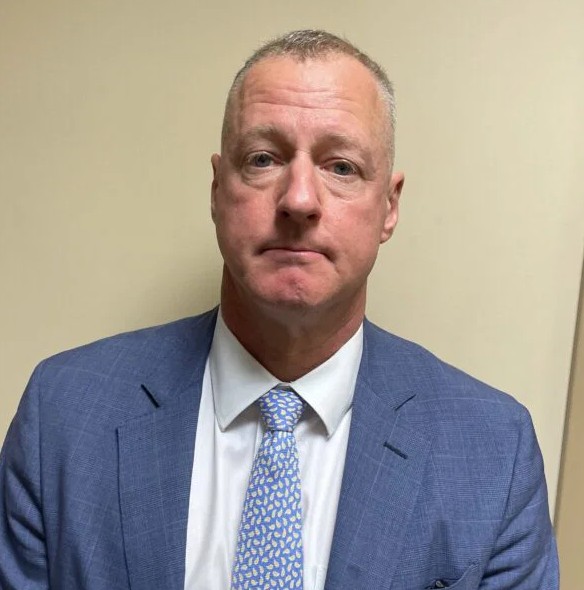
Paul Robinson Attorney: Drug Charges Trial Proceeds in Cocaine Ring Case
Summary
- Pittsburgh attorney Paul Robinson, 59, faces felony tampering and hindering apprehension charges related to a Penn State drug trafficking ring.
- A judge ruled there is enough evidence to send the attorney's case to trial following a preliminary hearing.
- Robinson allegedly helped retrieve a hidden safe, thought to contain cocaine, after his son's December 2024 arrest.
- His son, Thomas Robinson, 23, was one of 14 individuals charged in the suspected university cocaine ring.
- Robinson is a managing attorney at Meyer, Darragh, Buckler, Bebenek & Eck, and his actions were reportedly an attempt to conceal evidence.
Court Advances Attorney's Drug Charges Trial
This situation serves as a stark reminder for all legal professionals about the severe ethical and criminal consequences that can arise from attempting to obstruct justice or tamper with evidence, even when involving close family members.
A preliminary hearing concluded recently with a Pennsylvania judge determining sufficient evidence exists to proceed to a full trial for Pittsburgh attorney Paul Robinson, who faces serious charges in connection with a drug trafficking operation. The ruling, issued by Centre County Common Pleas President Judge Jonathan Grine, means the case against the 59-year-old managing attorney will move forward, focusing on allegations that he attempted to obstruct justice.
The proceedings included compelling testimony from a former fraternity brother of Robinson's son, shedding light on the attorney's alleged involvement. This witness detailed how Mr. Robinson purportedly assisted in retrieving a concealed safe believed to contain cocaine, an act central to the charges of felony tampering and hindering apprehension. The testimony underscores the gravity of the accusations against a prominent legal professional.
These developments stem from a broader investigation into a suspected cocaine ring operating at Pennsylvania State University, which led to the arrest of Mr. Robinson's son, Thomas Robinson, 23, in December 2024. The attorney's alleged actions are understood to have been an attempt to conceal evidence following his son's apprehension, placing him directly in the legal crosshairs.
Allegations of Obstruction and Family Ties
The specific charges against Paul Robinson include felony tampering and hindering apprehension, both serious offenses that allege he actively sought to conceal evidence related to the drug trafficking activities. The prosecution's case hinges on the assertion that the attorney's actions were a deliberate effort to impede the investigation into the Penn State drug trafficking lawyer's son and his associates.
According to the former fraternity brother, Ryan Matson, he was aware of Thomas Robinson's involvement in selling cocaine. Matson testified that he had hidden the safe, which was thought to contain the illicit substance, as a favor to the younger Robinson after his arrest. It was following this arrest that Paul Robinson allegedly intervened to retrieve the safe, an act that now forms the core of the charges against him.
Thomas Robinson was one of 14 individuals implicated in the suspected cocaine ring at the university, highlighting the extensive nature of the criminal enterprise. The alleged involvement of a respected Pittsburgh attorney in attempting to shield his son from the consequences of such a large-scale operation has drawn significant attention to the case.
Professional Standing and Ethical Breaches
Paul Robinson holds a significant position within the legal community as a managing attorney at the Pittsburgh-based firm Meyer, Darragh, Buckler, Bebenek & Eck. The charges against him — felony tampering and hindering apprehension — represent a profound challenge to his professional standing and raise critical questions about legal ethics and obstruction of justice.
This situation serves as a stark reminder for all legal professionals about the severe ethical and criminal consequences that can arise from attempting to obstruct justice or tamper with evidence, even when involving close family members. The allegations suggest a direct breach of the fundamental duties of an attorney, which include upholding the law and the integrity of the justice system.
The potential ramifications for Mr. Robinson extend beyond personal liberty, threatening his career and reputation. Lawyers are held to a high standard of conduct, and any actions perceived as undermining judicial processes can lead to disbarment and irreparable professional ruin, underscoring the importance of strict adherence to ethical obligations.
Why This Case Matters for Legal Professionals
The unfolding legal proceedings against Paul Robinson underscore a critical lesson for the legal profession: the boundaries between personal loyalty and professional ethics must remain uncompromised. This case highlights the immense pressure legal professionals can face when family members are involved in criminal activity, yet it firmly reiterates that the duty to the law and the justice system must always take precedence.
For attorneys, the allegations of a Pittsburgh attorney cocaine ring connection and subsequent alleged attempts to conceal evidence serve as a powerful cautionary tale. It emphasizes the necessity for legal practitioners to review and strictly adhere to their firm's professional conduct policies and broader ethical guidelines. The integrity of the legal system relies on its officers upholding the highest standards of conduct, irrespective of personal circumstances.
The outcome of the Paul Robinson attorney drug charges trial will undoubtedly be closely watched, not only for its legal implications but also for the precedent it sets regarding the accountability of legal professionals. It reinforces the principle that no one is above the law, and that attempts to subvert justice, particularly by those sworn to uphold it, will be met with severe consequences, impacting both their personal lives and professional careers.
Practical Implications
This case serves as a critical reminder for legal professionals about the severe ethical and criminal consequences of obstructing justice or tampering with evidence, even when involving family. Lawyers should review their firm's professional conduct policies and ensure strict adherence to ethical obligations to avoid similar professional and personal ruin.
Source
Source: Original reporting via TribLive
How does this affect you?
Get an AI analysis of this article grounded in your jurisdictions, practice areas, and any policy documents you've uploaded to Wansom.
Finish Reading the Full Story and the Expert Analysis.
Wansom is AI and can make mistakes.