
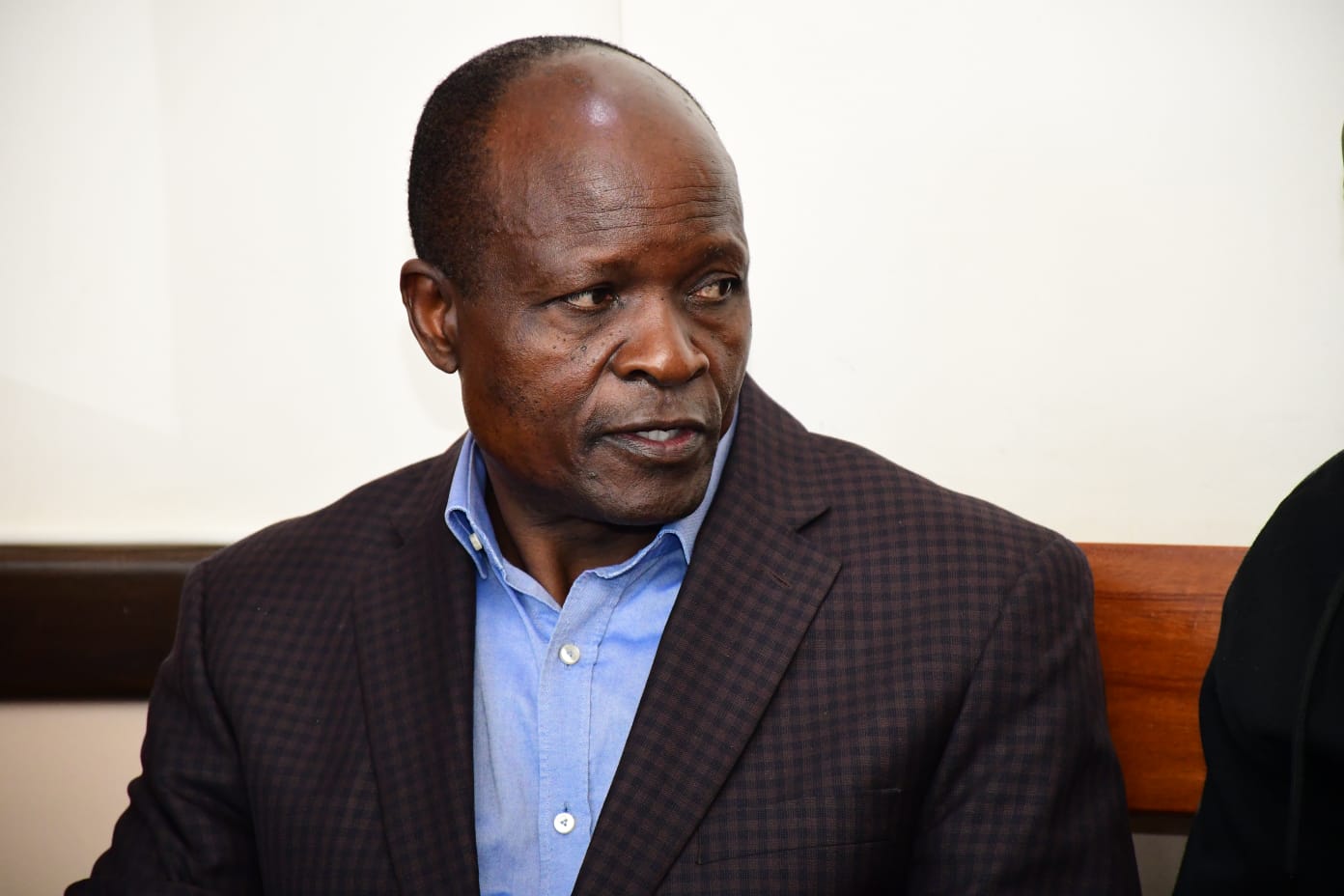
Mombasa Chief Magistrate: Paul Nthenge Mackenzie Shakahola Ruling Expected
Summary
- The Mombasa Chief Magistrate’s Court is set to issue a ruling in the manslaughter case against Paul Nthenge Mackenzie and 94 co-accused individuals.
- The defendants, including Mackenzie's wife Rhoda Mumbua Maweu, face 238 counts of manslaughter.
- These charges are linked to deaths caused by forced fasting in the Shakahola Forest between January 2021 and September 2023.
- The case involves a significant number of accused and charges, making it a complex legal proceeding in Kenya.
- The ruling is anticipated to provide insights into how Kenyan courts handle large-scale manslaughter cases with unusual circumstances.
What Happened
The upcoming Paul Nthenge Mackenzie Shakahola ruling holds substantial implications for the accused, the victims' families, and the broader Kenyan legal framework.
A significant judicial development is anticipated from the Mombasa Chief Magistrate’s Court concerning the extensive manslaughter case against Paul Nthenge Mackenzie, a figure associated with a religious group, and 94 other individuals. This ruling follows his recent conviction and 200-year prison sentence for the murder of 191 people on November 6, 2026, and further convictions for child cruelty, assault, and terrorism-related offenses on November 25 and 26, 2026. Among the co-accused is Mackenzie's wife, Rhoda Mumbua Maweu, all of whom are facing a substantial number of criminal charges. The accused parties collectively face 238 counts of manslaughter. These charges are directly linked to fatalities that allegedly occurred due to forced fasting practices within the Shakahola Forest area. The period during which these deaths are reported to have taken place spans from January 2021 through September 2023, marking a prolonged duration of alleged criminal activity.
Legal Proceedings Underway
The Mombasa Chief Magistrate’s Court is poised to deliver a crucial ruling in this complex legal matter. This particular Mackenzie manslaughter case Kenya has drawn considerable attention due to its unprecedented scale, involving nearly a hundred defendants and hundreds of individual charges. The judicial process at this level typically addresses preliminary legal questions, such as whether sufficient evidence exists to proceed to a full trial or other procedural determinations, rather than a final verdict. The sheer volume of the Shakahola cult deaths charges, encompassing 238 counts of manslaughter, presents a formidable challenge for the Kenyan legal system. The involvement of the Mombasa Chief Magistrate Mackenzie's court in overseeing such a large-scale criminal proceeding underscores the gravity and public interest surrounding the allegations of deaths resulting from forced fasting. The inclusion of Rhoda Mumbua Maweu charges alongside the primary defendant further complicates the legal landscape of this high-profile case.
Broader Implications
The upcoming Paul Nthenge Mackenzie Shakahola ruling holds substantial implications for the accused, the victims' families, and the broader Kenyan legal framework. This case, characterized by its numerous defendants and extensive charges, serves as a critical test for how the nation's courts manage large-scale criminal prosecutions, particularly those involving unusual circumstances like alleged cult-related activities and forced fasting. Legal professionals will be closely observing this ruling for insights into the procedural handling of such complex, multi-accused manslaughter cases within Kenyan jurisprudence. The outcome could offer valuable precedents for future criminal defense strategies or public interest litigation, influencing how similar large-scale incidents are investigated and prosecuted. The unique nature of the Shakahola cult deaths charges, combined with the sheer number of individuals involved, positions this case as a landmark event in Kenyan legal history.
Practical Implications
Lawyers should monitor this ruling for insights into how Kenyan courts handle complex, large-scale manslaughter cases involving multiple accused and unusual circumstances, which could inform future criminal defense strategies or public interest litigation.
Source
How does this affect you?
Get an AI analysis of this article grounded in your jurisdictions, practice areas, and any policy documents you've uploaded to Wansom.
Finish Reading the Full Story and the Expert Analysis.
Get the latest legal & regulatory intelligence in Kenya
Wansom is AI and can make mistakes.