
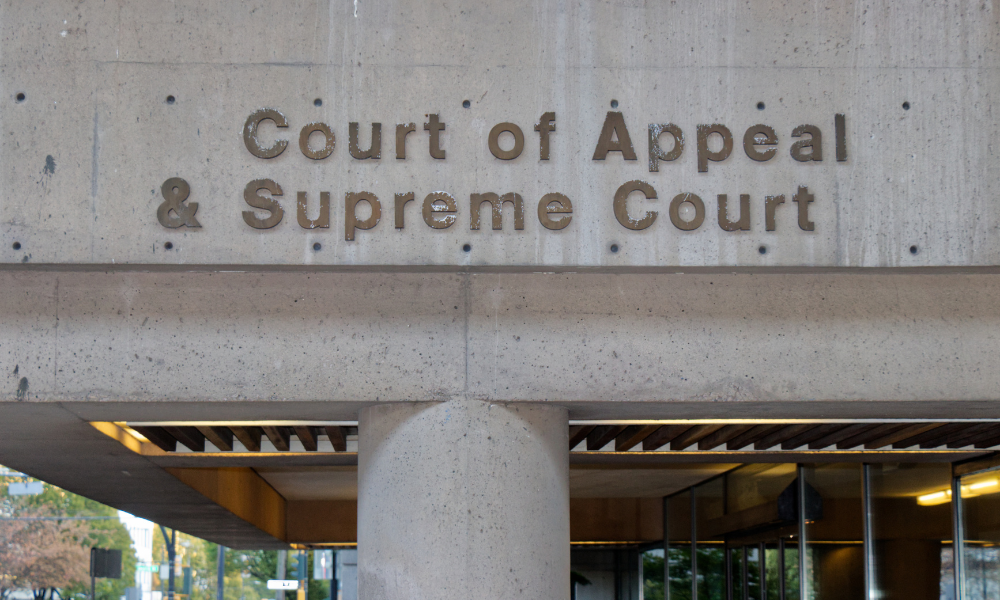
Patrick v British Columbia 2026 BCSC 2252: Class Action Denied
Summary
- The BC Supreme Court refused to certify a class action alleging systemic negligence by the province in addressing anti-Indigenous discrimination in hospitals.
- The court found no cause of action for systemic negligence or for damages under Section 15(1) of the Charter of Rights and Freedoms.
- The plaintiff, an Indigenous woman, experienced a delayed diagnosis after surgery and sought to represent all Indigenous individuals who visited BC hospitals since November 2005.
- The court determined that policy considerations regarding the justiciability of the alleged standard of care negated a prima facie duty of care.
- This decision sets a high bar for class certification in systemic discrimination healthcare litigation against the provincial government.
Court Rejects Systemic Negligence Class Action
This precedent indicates that proving a cause of action for systemic negligence or Charter damages in such contexts is challenging.
The British Columbia Supreme Court has declined to certify a proposed class action, *Patrick v British Columbia*, 2026 BCSC 2252, which sought to hold the provincial government accountable for alleged systemic negligence in addressing anti-Indigenous discrimination within its hospital services. The court's decision centered on the absence of a recognizable cause of action within the plaintiff's claim, a fundamental requirement for certification under Section 4(1)(a) of British Columbia's *Class Proceedings Act, 1996*.
The ruling means the court did not need to evaluate other criteria for class certification outlined in Section 4(1) of the Act. This outcome establishes a significant precedent for future systemic discrimination healthcare litigation, particularly concerning the justiciability of broad policy duties and the requirement for specific actionable harm beyond systemic issues.
The Plaintiff's Allegations
The proposed class action was initiated by an Indigenous woman from the Lake Babine Nation. Her personal experience involved a visit to the Bulkley Valley Regional Hospital emergency room in June 2020, following a gallbladder surgery the previous day, due to severe abdominal pain and persistent vomiting. During this initial follow-up, medical staff failed to diagnose a severed common bile duct.
It was only after a subsequent emergency room visit a few days later that the correct diagnosis was made, leading to her being airlifted to Vancouver for necessary bowel repair surgery. The plaintiff contended that the province's failure to prevent and eliminate anti-Indigenous discrimination in its hospital services constituted systemic negligence. She also asserted that this systemic issue violated Indigenous people's equality rights under Section 15(1) of the *Canadian Charter of Rights and Freedoms*.
Legal Basis and Scope of the Claim
The plaintiff's civil action, which she acknowledged as novel, sought damages against the provincial government for systemic discrimination against Indigenous people in BC hospitals' service delivery. The proposed class aimed to include all Indigenous individuals who had received care in BC hospitals since November 25, 2005. This specific date was chosen because it allegedly marked when the First Nations Leadership Council first clearly brought the issue of anti-Indigenous discrimination in hospitals to the province's attention.
Despite acknowledging an arguable case for a prima facie duty of care in negligence, the BC Supreme Court ultimately concluded that residual policy considerations regarding the justiciability of the alleged standard of care negated this duty. Consequently, the court found no cause of action for systemic negligence. Justice Kirchner noted that the systemic negligence claim was destined to fail due to the inseparable connection between the alleged harms and those arising from specific interactions with medical professionals, which counsel had explicitly stated were not at issue in this proceeding. The court also found no actionable harm beyond what might fall under the purview of a Human Rights Tribunal, an essential component for a negligence claim.
Charter Claim Dismissal and Implications
Beyond the systemic negligence claim, the BC Supreme Court also found no cause of action for damages under Sections 15(1) and 24(1) of the *Charter of Rights and Freedoms*. The plaintiff had argued that the province had a positive duty to broadly implement policies and strategies to address systemic discrimination. However, the court did not find a basis for a damages claim stemming from this asserted duty.
This ruling in *Patrick v British Columbia 2026 BCSC 2252* underscores the significant hurdles in establishing systemic negligence class action claims against the provincial government for anti-Indigenous discrimination in hospitals Canada. It highlights the judiciary's cautious approach to certifying broad claims that seek to impose duties related to systemic policy implementation, particularly when specific actionable harm, distinct from individual interactions, is not clearly articulated and proven. Lawyers advising clients on systemic discrimination claims against the provincial government in BC healthcare should note this ruling establishes a high bar for class certification, particularly regarding the justiciability of broad policy duties and the requirement for specific actionable harm beyond systemic issues. This precedent indicates that proving a cause of action for systemic negligence or Charter damages in such contexts is challenging.
Practical Implications
Lawyers advising clients on systemic discrimination claims against the provincial government in BC healthcare should note this ruling establishes a high bar for class certification, particularly regarding the justiciability of broad policy duties and the requirement for specific actionable harm beyond systemic issues. This precedent indicates that proving a cause of action for systemic negligence or Charter damages in such contexts is challenging.
Source
How does this affect you?
Get an AI analysis of this article grounded in your jurisdictions, practice areas, and any policy documents you've uploaded to Wansom.
Finish Reading the Full Story and the Expert Analysis.
Get the latest legal & regulatory intelligence in Canada
Wansom is AI and can make mistakes.