
Pastef Dénonce Contrats Pétroliers: Approbation Parlementaire Manquante au Sénégal
Summary
- Pastef Les Patriotes criticized the executive's handling of an extraordinary parliamentary session and the expiring national identity cards.
- The group accused the head of state of failing to set election dates, deeming it a violation of the Constitution and electoral code.
- Pastef denounced the executive for allegedly reneging on a promise to submit oil contracts to parliamentary approval under Article 25-1 of the Constitution.
- Deputies cited a project document, page 163, detailing a commitment from Bassirou Diomaye Faye and the Minister of Energy regarding oil contract validation.
Political Group Slams Executive Actions
The exact wording cited by Pastef Les Patriotes explicitly stated: "We will submit the validation of oil contracts to prior parliamentary approval in accordance with Article 25-1 of the Constitution."
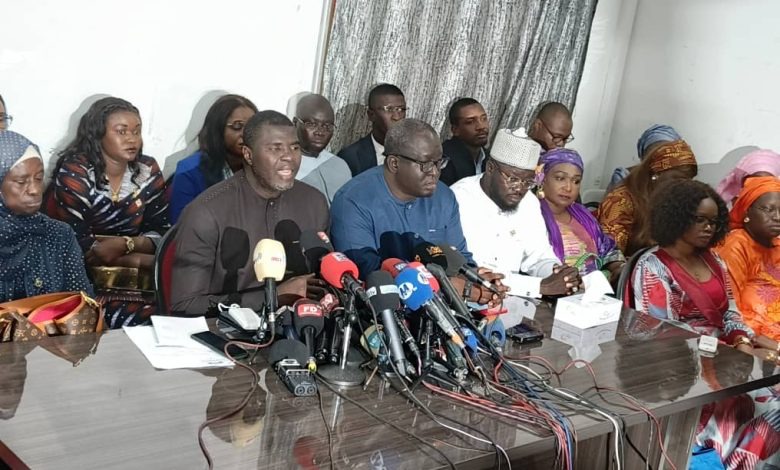
The parliamentary group Pastef Les Patriotes recently voiced strong criticism against the executive branch, addressing multiple pressing national issues during a Sunday press conference. Their denunciations centered on the handling of an extraordinary parliamentary session that commenced on September 18, particularly concerning a proposed modification to the 2016 law governing the ECOWAS biometric identity card. The group expressed dissatisfaction with the official response to the impending expiration of national identity cards, highlighting a perceived lack of clarity and effective management.
Beyond administrative concerns, Pastef Les Patriotes also raised significant objections regarding the national electoral timeline. Deputies within the group asserted that there is a widespread lack of understanding regarding the electoral calendar, and they specifically accused the head of state of failing to establish definitive dates for upcoming polls. This inaction, according to the group, constitutes a direct violation of the nation's Constitution, its electoral code, and the solemn oath taken by the president. Furthermore, the political faction, as reported by PressAfrik, criticized the president for discussing these sensitive domestic matters with French and other foreign media outlets while abroad, rather than addressing the Senegalese public directly.
Constitutional Scrutiny Over Oil Contracts and Elections
A core element of Pastef's critique targets the executive's alleged reversal of a prior commitment concerning the validation of oil contracts. The group contends that the government has reneged on a promise to subject these crucial agreements to parliamentary approval. This assertion is grounded in a specific passage found on page 163 of a project document, which, according to the deputies, outlines pledges made by Bassirou Diomaye Faye and the Minister of Energy. The exact wording cited by Pastef Les Patriotes explicitly stated: "We will submit the validation of oil contracts to prior parliamentary approval in accordance with Article 25-1 of the Constitution." This highlights a fundamental disagreement over the process for approving contrats pétroliers in Sénégal, bringing droit pétrolier Sénégal into sharp focus.
The invocation of Article 25-1 de la Constitution underscores the constitutional dimension of this dispute, suggesting that Pastef views parliamentary oversight as a mandatory requirement for the legitimacy of such agreements. This stance implies a potential challenge to the validity of any oil contracts approved without legislative consent, directly impacting droit constitutionnel Sénégal. Similarly, the group's insistence on a fixed calendrier électoral Sénégal and their claim that the president's failure to set election dates contravenes the Constitution and electoral code points to a broader pattern of constitutional interpretation and adherence being contested by the opposition.
Implications for Governance and Transparency
This pressure has led to significant debates over the reform of Senegal's petroleum code, though a specific legislative proposal (bill n°37/2026) aimed at requiring parliamentary debate for oil contracts was declared inadmissible by the Constitutional Council on October 5, 2026.
The dual focus on oil contracts and the electoral calendar indicates a comprehensive challenge to the executive's authority and decision-making processes. By linking the president's actions to violations of his oath and constitutional principles, Pastef is framing these issues as fundamental questions of democratic governance. The ongoing review of the 2016 ECOWAS biometric identity card law, alongside these other concerns, further illustrates a period of intense legislative and political scrutiny in the country.
Practical Implications
Lawyers advising energy sector clients in Senegal should monitor the political pressure from Pastef regarding parliamentary approval of oil contracts, as this could lead to legal challenges concerning contract validity under Article 25-1 of the Constitution. Additionally, the executive's stance on the electoral calendar may precipitate constitutional disputes, requiring vigilance from public law practitioners.
Source
How does this affect you?
Get an AI analysis of this article grounded in your jurisdictions, practice areas, and any policy documents you've uploaded to Wansom.
Finish Reading the Full Story and the Expert Analysis.
Get the latest legal & regulatory intelligence in Senegal
Wansom is AI and can make mistakes.