
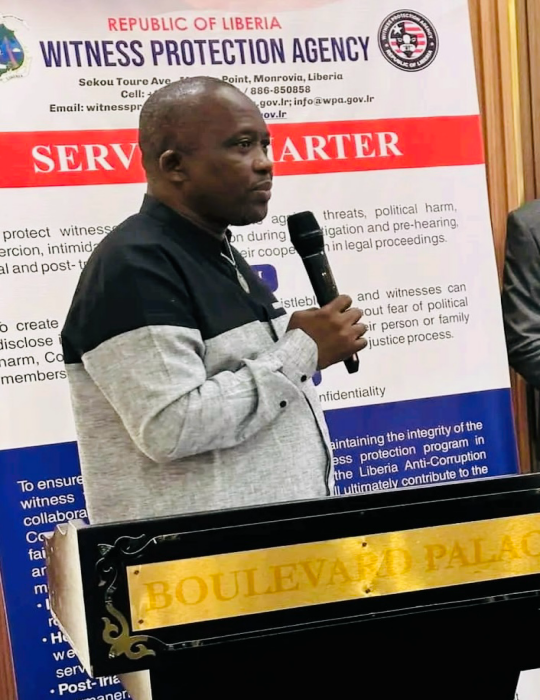
OWECC-L Liberia: Warns Justice At Risk Without Witness Protection Laws
Summary
- The Office for the Establishment of the War and Economic Crimes Court for Liberia (OWECC-L) has warned that justice efforts could stall.
- This potential impediment stems from the fear among witnesses, whistleblowers, and victims to speak out.
- The OWECC-L is pressuring the National Legislature to enact witness protection laws.
- Without robust witness protection, the pursuit of war and economic crimes prosecutions faces significant obstacles.
- The lack of these laws creates uncertainty for both potential witnesses and the overall justice process in Liberia.
Accountability Efforts Face Major Hurdle
For lawyers advising clients on potential war or economic crimes investigations in Liberia, monitoring legislative progress on witness protection laws is crucial, as their absence could significantly impact the viability and timeline of prosecutions by the OWECC-L.
The Office for the Establishment of the War and Economic Crimes Court for Liberia (OWECC-L) has issued a significant warning, indicating that Liberia's long-standing commitment to prosecuting individuals for war and economic crimes could encounter a substantial impediment. This potential roadblock stems from the prevalent fear among witnesses, whistleblowers, and victims, which discourages them from coming forward to provide crucial testimony. Without their active participation, the pursuit of justice for past atrocities and financial misconduct faces an uncertain future.
This apprehension among potential informants directly threatens the viability of any future prosecutions. The OWECC-L's statement underscores a critical challenge within the Liberian justice system: the difficulty in securing cooperation from those who hold vital information but fear reprisal or lack adequate safeguards. The office's concern highlights that the foundational work of establishing accountability mechanisms could be undermined if individuals are unwilling or unable to speak freely due to safety concerns.
Urgent Call for Witness Protection Laws
In response to this pressing issue, the OWECC-L is actively exerting pressure on the National Legislature to address the critical need for robust witness protection laws, despite existing legislation that is currently undergoing significant amendments. The institution emphasizes that without such legislative frameworks, the entire initiative to bring perpetrators of war and economic crimes to justice risks stagnation. The current environment, lacking formal protections, means that individuals who might otherwise contribute to investigations are left vulnerable, thereby hindering the collection of essential evidence and testimony.
The development and enactment of comprehensive Liberia whistleblower protection laws are deemed essential by the OWECC-L to create a secure environment for those willing to testify. Such legislation would provide the necessary legal and practical safeguards to encourage cooperation, ensuring that the pursuit of justice is not derailed by fear. The OWECC-L National Legislature pressure is a direct appeal to lawmakers to prioritize this legislative gap, recognizing its profound impact on the success of the proposed court.
Implications for Liberia's Justice System
The OWECC-L's warning carries significant implications for the future of the Liberia War and Economic Crimes Court and the broader Liberian justice system challenges. Should the National Legislature fail to enact adequate witness protection laws, the momentum for prosecuting war and economic crimes could effectively stall. This would not only delay accountability for past wrongs but could also erode public trust in the government's commitment to delivering justice.
The absence of these protective measures creates a climate of uncertainty for all parties involved: potential witnesses remain hesitant, investigators face difficulties in gathering evidence, and the overall timeline for establishing and operating the court, although a roadmap with proposed operational dates (November 2026 for the National Anti-Corruption Court and November 2027 for the War and Economic Crimes Court) has been submitted. For lawyers advising clients on potential war or economic crimes investigations in Liberia, monitoring legislative progress on witness protection laws is crucial, as their absence could significantly impact the viability and timeline of prosecutions by the OWECC-L. This situation underscores the urgent need for legislative action to ensure that the promise of justice in Liberia can be fulfilled.
Practical Implications
Lawyers advising clients on potential war or economic crimes investigations in Liberia should monitor legislative progress on witness protection laws, as their absence could significantly impact the viability and timeline of prosecutions by the OWECC-L. This creates uncertainty for both potential witnesses and those under investigation.
Source
How does this affect you?
Get an AI analysis of this article grounded in your jurisdictions, practice areas, and any policy documents you've uploaded to Wansom.
Finish Reading the Full Story and the Expert Analysis.
Wansom is AI and can make mistakes.