
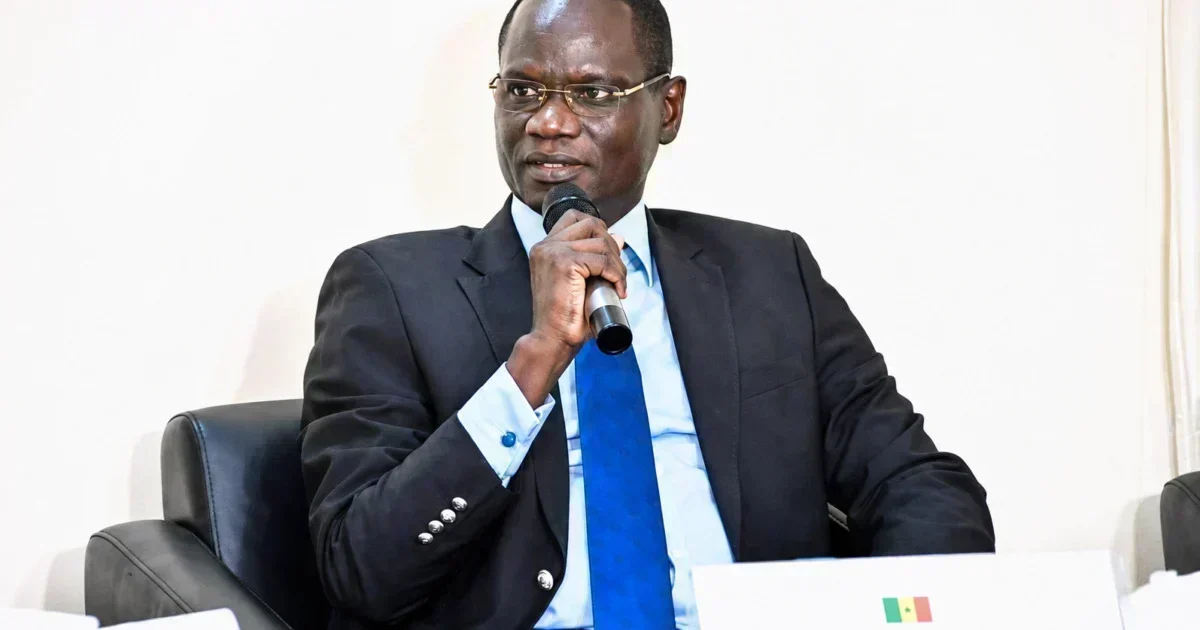
Ousmane Sonko Ineligibility Warning Rocks Senegalese Presidential Election
Summary
- Ousmane Sonko's candidacy for the 2029 presidential election is in jeopardy due to a 'moral criterion' cited by Energy Minister Abdourahmane Diouf.
- Sonko was convicted of defamation and faces potential new lawsuits if he continues making calumnious statements.
- While differing opinions on eligibility existed, a significant electoral code reform in April 2026 has largely cleared the legal path for Ousmane Sonko's candidacy in future elections.
- Diouf's warning may signal a shift in the political landscape and potential changes to candidacy status for future elections.
Ousmane Sonko's Candidacy Status in Jeopardy
"S'il continue comme ça, en 2029, il ne sera pas candidat et, en 2034, il ne sera pas candidat tant qu'il continuera à calomnier," a déclaré Abdourahmane Diouf.
Senegalese politician Ousmane Sonko may not be eligible to run in the 2029 presidential election, according to a recent warning from Energy and Petroleum Minister Abdourahmane Diouf. This development comes after Sonko's absence from the 2024 presidential election, which Diouf attributed to a 'moral criterion' that Sonko failed to meet. Specifically, Diouf pointed to Sonko's conviction in a defamation case, where he was found guilty of making calumnious statements that led to judicial proceedings and a subsequent conviction.
Legal Context: Eligibility and Amnesties
However, this assessment may not be universally accepted. In December 2025, constitutional expert Mounirou Sy argued that Sonko remained eligible to run in the election, citing the amnesty granted for his defamation conviction as a political offense. Similarly, Bamba Cissé, who served as Interior Minister until June 2026, stated in April 2026 that the law of amnesty allowed Sonko to re-enter the electoral register. These differing opinions highlight the complexities surrounding eligibility and amnesties in Senegalese politics. However, in April 2026, the National Assembly adopted a reform of the electoral code, specifically amending Articles 29 and 30, which had previously disqualified candidates based on defamation convictions. This legislative change is widely seen as paving the way for Ousmane Sonko to run in the 2029 presidential election.
Why It Matters: Implications for Future Elections
Diouf's warning has significant implications for future elections, as it suggests that a candidate's past behavior can impact their eligibility to run. This raises questions about the role of moral criteria in determining candidacy and whether such criteria are subject to change. Lawyers and compliance officers should pay close attention to this development, as it may signal a shift in the political landscape and potential changes to candidacy status.
Practical Implications
Lawyers and compliance officers should watch for potential changes to Ousmane Sonko's candidacy status, as Abdourahmane Diouf's statement may indicate a shift in the political landscape and potential implications for future elections.
Source
Source: Original reporting via senenews
How does this affect you?
Get an AI analysis of this article grounded in your jurisdictions, practice areas, and any policy documents you've uploaded to Wansom.
Wansom is AI and can make mistakes.