
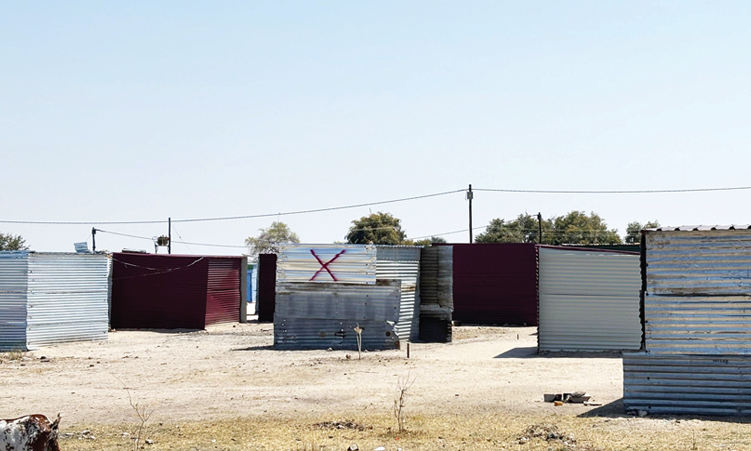
Oshakati Council: No Land Allocation for Evicted Households
Summary
- Approximately 112 households in Oshakati’s Onawa Extension 7 face demolition after the Oshakati Town Council allegedly issued a 14-day eviction notice.
- The affected residents are preparing to submit a petition to the Oshakati Town Council, appealing against the impending demolitions.
- The Oshakati Town Council has reportedly stated it will not allocate alternative land to the evicted households.
- Some residents facing eviction have reportedly lived in the area for as little as four months.
- The situation highlights broader concerns regarding municipal land evictions and land rights in Namibia.
Eviction Threat Looms Over Oshakati Households
The Oshakati Town Council has reportedly stated that it will not provide alternative land allocations to the households facing eviction.
Approximately 112 households residing in shacks at Oshakati’s Onawa Extension 7 are facing imminent displacement, as the Oshakati Town Council has allegedly issued a 14-day ultimatum for them to vacate the municipal land. This directive, if enforced, would lead to the demolition of their homes, leaving a significant number of residents without shelter. The affected community includes individuals who have reportedly lived in the area for as little as four months, highlighting the precarious nature of their tenure on the land.
In response to the council's alleged eviction notice, the residents are actively organizing to challenge the decision. They are in the process of preparing and submitting a formal petition to the Oshakati Town Council. This collective action represents an appeal against the impending demolitions and the council's demand for them to leave the premises. The situation underscores a growing Oshakati Onawa Extension 7 evictions crisis, drawing attention to the vulnerabilities of informal settlements on municipal property.
Council's Stance on Resettlement
Adding to the residents' distress, the Oshakati Town Council has reportedly stated that it will not provide alternative land allocations to the households facing eviction. This firm position from the council means that even if the residents are forced to leave Onawa Extension 7, they will not be offered new plots or assistance in finding alternative accommodation within the municipality. This decision significantly complicates the outlook for the displaced families, as they face not only the loss of their current homes but also a lack of official support for resettlement.
The council's refusal to reallocate land sets a challenging precedent for future urban planning and informal settlement management in the region. The impending Oshakati Council land allocation evicted households scenario highlights a critical gap in municipal policy regarding displaced populations, particularly those occupying municipal land without formal tenure. The residents' petition, therefore, becomes a crucial instrument in their attempt to negotiate for more humane and sustainable solutions to their housing crisis.
Broader Implications for Land Rights in Namibia
This unfolding situation in Oshakati’s Onawa Extension 7 carries significant implications for land rights Namibia and the broader issue of Namibia municipal land evictions. The alleged 14-day notice period raises questions about due process and the legal obligations of local authorities when displacing residents, even those on municipal land. Such rapid eviction timelines can severely limit residents' ability to find alternative housing or challenge the council's actions effectively, potentially leading to a humanitarian concern.
The Oshakati land dispute underscores the ongoing challenges faced by many informal settlers across the country, who often occupy land without formal titles due to various socio-economic factors. The outcome of the residents' petition to the Oshakati Town Council and the council's ultimate decision regarding land allocation for these evicted households could establish important precedents for how similar situations are handled in other municipalities. It emphasizes the need for clear, equitable, and legally sound frameworks for managing urban land and addressing the housing needs of all citizens, particularly those in vulnerable communities.
Practical Implications
Lawyers advising on property law, municipal law, or human rights in Namibia should monitor this situation for potential litigation regarding eviction procedures and the responsibilities of local authorities to displaced residents. It highlights a developing area of land rights disputes that could set precedents for future municipal actions and community challenges.
Source
How does this affect you?
Get an AI analysis of this article grounded in your jurisdictions, practice areas, and any policy documents you've uploaded to Wansom.
Finish Reading the Full Story and the Expert Analysis.
Get the latest legal & regulatory intelligence in Namibia
Wansom is AI and can make mistakes.