
Ordre National Médecins Togo: No Refus Soins for Political Opinions
Summary
- Togo's National Order of Physicians has prohibited refusing medical care based on a patient's political, religious, or social opinions.
- The directive, issued on September 23, 2026, by President Professeur Anthony Kadanga Beketi, applies even in emergency situations.
- Physicians are explicitly forbidden from denying treatment for discriminatory reasons or financial motives, upholding the `obligation de soins Togo`.
- Patients who feel wronged can appeal to the Order, and violating doctors face sanctions up to disbarment.
- The Order also cautioned political actors about their public statements regarding health and acknowledged accountability for online defamation.
What Happened
A patient's political, religious, or social opinions can never justify a refusal of medical care, even in emergency situations.
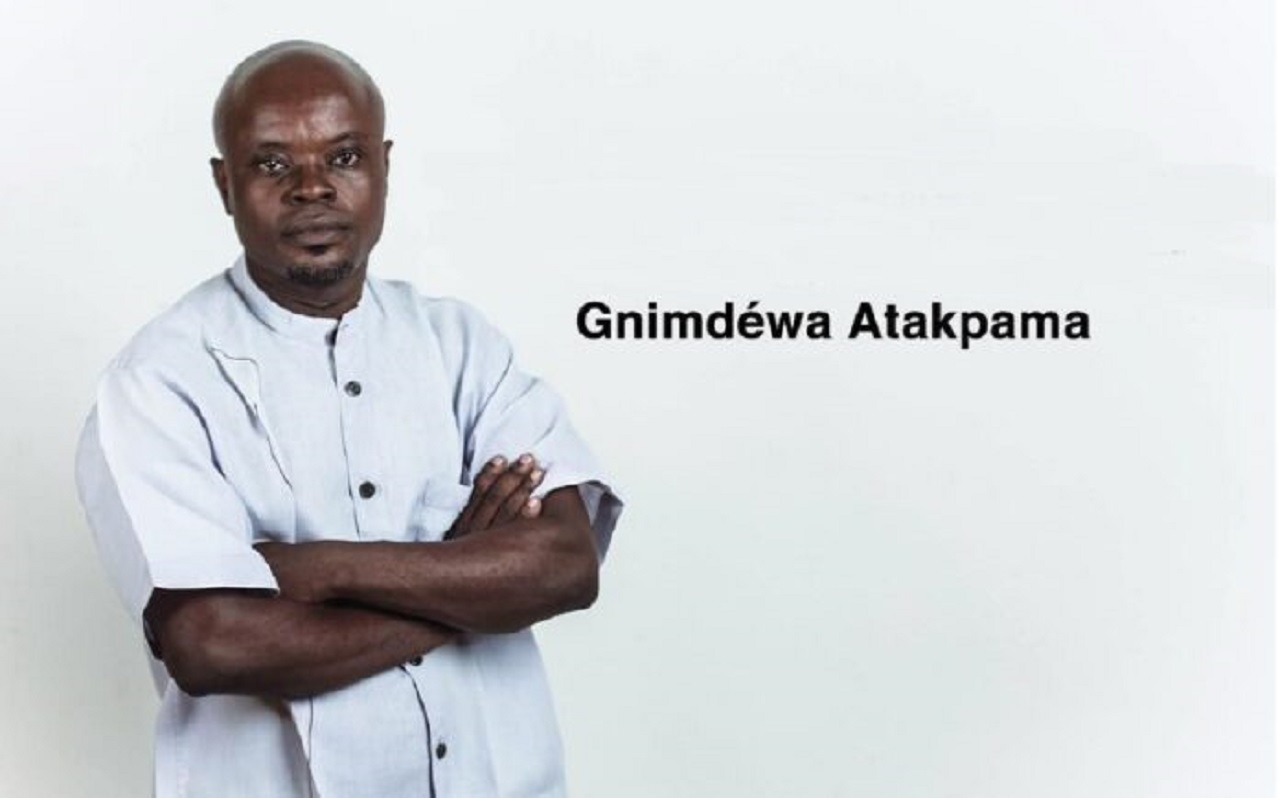
A significant controversy recently gripped Togo following remarks by a high-ranking state official, which suggested that medical professionals might, in the future, refuse care based on patients' online political expressions. This sparked widespread concern and prompted Gnimdéwa Atakpama, a prominent citizen, to address an open letter to the Conseil de l'Ordre National des Médecins du Togo, advocating for the fundamental principle that medical treatment should be administered without judgment. The core of the debate centered on the potential for `refus de soins opinions politiques`, challenging the very foundation of medical ethics.
In response to the public outcry and the direct appeal, the Ordre National des Médecins du Togo issued a definitive statement on September 23, 2026. Professeur Anthony Kadanga Beketi, the president of the Order, unequivocally clarified the institution's stance. His declaration served as a crucial intervention, reaffirming the unwavering commitment of the medical profession to its ethical obligations, particularly concerning the `Ordre National Médecins Togo refus soins`.
Legal and Ethical Mandate
Professeur Beketi's statement left no room for ambiguity regarding the `déontologie médicale Togo`. He asserted that a patient's political, religious, or social opinions can never justify a refusal of medical care. This prohibition extends even to emergency situations, underscoring the absolute nature of the `obligation de soins Togo`. The directive explicitly states that physicians cannot deny treatment for discriminatory reasons, nor can financial considerations serve as a legitimate basis for withholding assistance. The fundamental duty to aid any person in danger remains paramount and uncompromised.
The Order further outlined the recourse available to patients who believe they have been wronged, confirming their right to formally appeal to the Ordre National des Médecins du Togo. For medical practitioners, the consequences of failing to adhere to these stringent ethical guidelines are clear: violations can lead to disciplinary actions ranging from a formal warning to outright disbarment. Professeur Beketi emphasized that trust forms the bedrock of the patient-provider relationship, a principle that cannot be negotiated or undermined by personal opinions or external pressures.
Broader Implications and Public Discourse
Beyond clarifying the professional obligations of medical practitioners, Professeur Anthony Kadanga Beketi also addressed the broader public discourse surrounding healthcare. He issued a pointed caution to political actors and anyone discussing health-related matters, urging them to exercise extreme care in their public statements. While not singling out any individual, this advisory served to reposition public dialogue on health, asserting that the well-being of the populace should never be used as a tool for threats or intimidation.
The president of the Order also acknowledged that individuals bear responsibility for their online conduct, specifically noting that insults and defamation posted on digital platforms can lead to legal accountability. This nuanced perspective highlighted that while patients have an undeniable right to care regardless of their views, this right does not extend to freedom from consequences for harmful online behavior. Ultimately, the resolution of this controversy, spurred by a citizen's alarm and an institution's firm response, underscores the vitality of a democratic system where ethical principles and legal frameworks are upheld, ensuring that the fundamental right to be treated, irrespective of one's background or beliefs, remains protected.
Practical Implications
Lawyers advising healthcare providers in Togo must ensure their clients' practices strictly adhere to the National Order of Physicians' directive, which unequivocally prohibits refusal of care based on a patient's political, religious, or social opinions, even in emergencies, to mitigate disciplinary risks. For patient advocates, this ruling provides a clear legal and ethical basis to challenge discriminatory denials of medical services.
Source
How does this affect you?
Get an AI analysis of this article grounded in your jurisdictions, practice areas, and any policy documents you've uploaded to Wansom.
Finish Reading the Full Story and the Expert Analysis.
Get the latest legal & regulatory intelligence in Togo
Wansom is AI and can make mistakes.