
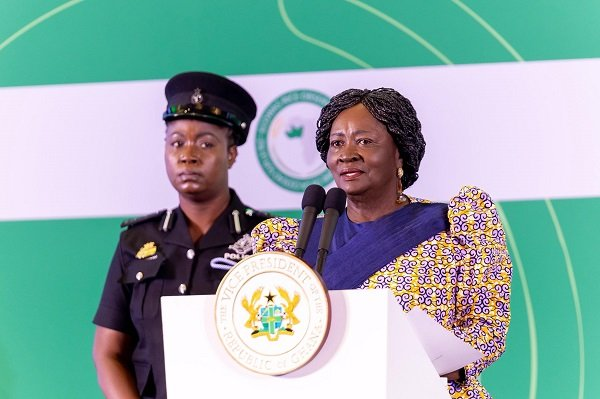
Opoku-Agyemang: Ghana Vows Sex-For-Jobs Prosecution, Directs Investigations
Summary
- Vice President Professor Jane Naana Opoku-Agyemang called for prompt investigations and sanctions for sexual exploitation in Ghanaian workplaces and educational institutions.
- She warned that 'sex-for-jobs' and 'sex-for-grades' practices damage Ghana's development by eroding talent, productivity, and public trust.
- The Vice President made these remarks at the 2026 Sex for Jobs Conference in Accra, describing the practices as an abuse of authority.
- She highlighted the significant economic and social costs of such misconduct, extending beyond immediate harm to victims.
- Professor Opoku-Agyemang advocated for independent and confidential reporting mechanisms to protect complainants, especially against those in positions of power.
A National Imperative
Lawyers advising employers and educational institutions in Ghana should take note of the Vice President Opoku-Agyemang statement.
Ghana's Vice President, Professor Jane Naana Opoku-Agyemang, has issued a strong directive for immediate investigations into allegations of sexual exploitation across the nation's workplaces and educational institutions. She emphasized that any individuals found culpable in these matters must face appropriate sanctions. This significant call to action was made during the 2026 Sex for Jobs Conference held in Accra, highlighting the government's commitment to addressing these pervasive issues.
The Vice President specifically condemned the practice of demanding sexual favors in exchange for employment opportunities or academic advancement, characterizing it as a severe abuse of authority. She articulated that such conduct not only infringes upon personal dignity but also critically compromises the integrity of both professional environments and learning establishments. This stance underscores a heightened focus on combating the Opoku-Agyemang sex-for-jobs prosecution Ghana, signaling a potential increase in enforcement and scrutiny.
Professor Opoku-Agyemang warned that these exploitative practices are detrimental to Ghana's overall development. She explained that they lead to a depletion of talent within institutions, diminish productivity, and erode public trust in the very systems designed to serve the populace. Her remarks underscore the far-reaching negative consequences of such abuses, extending beyond individual harm to affect national progress.
Profound Societal and Economic Costs
The repercussions of sexual exploitation, often manifesting as 'sex for grades Ghana' or 'sex-for-jobs' schemes, extend far beyond the immediate suffering inflicted upon victims. Professor Opoku-Agyemang highlighted that these illicit activities carry substantial economic and social costs for the nation. The loss of potential productivity and the squandering of talent are direct economic consequences that impede national growth and innovation.
Every instance of abuse that compels individuals into silence contributes to a significant erosion of public confidence in the institutions established to protect and serve them. This breakdown of trust has cascading effects, making it harder for organizations to function effectively and for society to progress equitably. The Vice President's statement serves as a critical reminder to employers and educational bodies about the broader impact of unchecked sexual harassment and exploitation.
She further elaborated that the exploitation, whether termed 'sex for jobs' in professional settings or 'sex for grades' in academic and training institutions, fundamentally represents an abuse of power. It constitutes a violation of bodily autonomy and a serious breach of institutional integrity, impacting the core values of fairness and respect within Ghanaian society.
Strengthening Accountability and Protection
Acknowledging the widespread nature of the problem, the government has affirmed its responsibility to ensure that all allegations of sexual exploitation are thoroughly and appropriately addressed. This commitment signals a move towards greater accountability and a more robust framework for handling such cases, which is crucial for Ghana workplace sexual exploitation prevention.
To safeguard complainants, particularly when accused individuals hold positions of authority over victims' recruitment, promotion, or academic progression, Professor Opoku-Agyemang advocated for the establishment of independent and confidential reporting mechanisms. Such systems are vital to encourage victims to come forward without fear of retaliation, ensuring that their concerns are heard and investigated impartially.
Lawyers advising employers and educational institutions in Ghana should take note of the Vice President Opoku-Agyemang statement. Her call for prompt investigations and sanctions regarding 'sex-for-jobs' and 'sex-for-grades' abuses indicates a potential increase in enforcement and scrutiny. This necessitates a review of internal policies, reporting mechanisms, and training to ensure compliance and mitigate legal risks related to sexual exploitation and abuse of authority, thereby enhancing sexual harassment compliance Ghana.
Practical Implications
Lawyers advising employers and educational institutions in Ghana should note the Vice President's call for prompt investigations and sanctions regarding 'sex-for-jobs' and 'sex-for-grades' abuses. This signals a potential increase in enforcement and scrutiny, necessitating a review of internal policies, reporting mechanisms, and training to ensure compliance and mitigate legal risks related to sexual exploitation and abuse of authority.
Source
How does this affect you?
Get an AI analysis of this article grounded in your jurisdictions, practice areas, and any policy documents you've uploaded to Wansom.
Wansom is AI and can make mistakes.