
Ontario Judicial Appointments: 8 Judges to Court of Appeal, Superior Court 2023
Summary
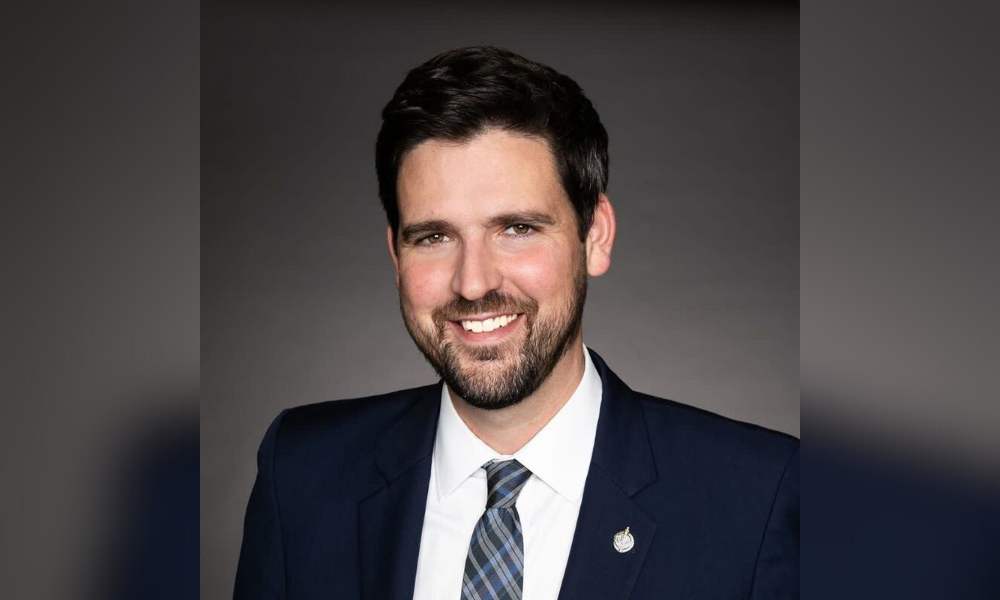
- Minister of Justice Sean Fraser announced eight judicial appointments in Ontario, including three elevations and five new Superior Court judges.
- Justices Frederick L. Myers, David E. Harris, and Sandra Nishikawa were elevated to the Court of Appeal for Ontario.
- Five new judges were appointed to the Ontario Superior Court of Justice in Thunder Bay, Newmarket, Toronto, and St. Catharines.
- The new appointees bring diverse legal backgrounds, including expertise in insolvency, criminal defence, human rights, family law, and constitutional litigation.
- These appointments are expected to strengthen the Ontario judiciary and provide valuable insights for legal practitioners developing litigation strategies.
Significant Judicial Appointments Bolster Ontario Courts
Lawyers practicing in Ontario should take note of these appointments, especially the specific practice areas and previous experience of each new judge.
Canada's Minister of Justice and Attorney General, Sean Fraser, recently announced a series of eight judicial appointments across Ontario, significantly reshaping the province's higher courts. This announcement includes the elevation of three current Superior Court judges to the esteemed Court of Appeal for Ontario, alongside the appointment of five new judges to the Ontario Superior Court of Justice. These judicial appointments in Ontario for 2026 introduce a wealth of experience and diverse legal backgrounds to both appellate and trial benches.
The three judges elevated to the Court of Appeal for Ontario, all previously serving on the Superior Court of Justice, are Justice Frederick L. Myers, Justice David E. Harris, and Justice Sandra Nishikawa. Their promotions fill critical vacancies within the province's highest court. Concurrently, five new judges have been appointed to the Superior Court, with placements in key judicial regions including Toronto, Thunder Bay, Newmarket, and St. Catharines, addressing various judicial needs and ensuring continued access to justice across the province.
Expertise Elevated to the Court of Appeal
The elevations to the Court of Appeal bring seasoned jurists with specialized knowledge to the appellate level. Justice Frederick L. Myers Court of Appeal appointment fills a Toronto position that was authorized under Bill C-74 in 2018. Prior to his initial appointment to the Superior Court in 2014, Justice Myers was a partner at Goodmans LLP, having also practiced at Osler, Hoskin & Harcourt LLP, where his work focused on insolvency law and general commercial litigation. He is also recognized for his advocacy regarding mental health within the legal profession.
Justice David E. Harris Court of Appeal appointment follows the transition of Justice L.B. Roberts to supernumerary status on September 1, 2026. Before joining the Superior Court in 2017, Justice Harris built a distinguished career in criminal defence, with a particular emphasis on appellate advocacy. His extensive experience includes arguing more than 150 cases before both the Court of Appeal and the Supreme Court of Canada. Justice Sandra Nishikawa Court of Appeal appointment replaces Justice G.T. Trotter, who became a supernumerary judge on June 30, 2026. Her background includes serving as counsel at the Ontario Human Rights Commission before her 2018 appointment to the Superior Court, and her practice encompassed commercial, administrative, public, and human rights law.
New Judges Join the Ontario Superior Court
The five new judges appointed to the Ontario Superior Court bring varied expertise and regional representation. Justice Christopher M. Arnone, formerly a partner at Atwood Labine LLP in Thunder Bay, will now serve on the Superior Court in Thunder Bay, replacing Justice F.B. Fitzpatrick, who became a supernumerary judge on July 17, 2026. Justice Arnone's professional background spans over two decades in family law. In Newmarket, Justice Michael S. Dunn, previously Crown counsel with Ontario's Ministry of the Attorney General, takes on a new role, bringing experience in constitutional litigation and criminal appeals.
Toronto sees two significant additions to the Superior Court. Justice Nicolas M. Rouleau, a former sole practitioner in the city, fills the vacancy created by Justice Myers' elevation. Justice Rouleau is noted for his expertise in appellate and constitutional litigation, conducted in both French and English. Also appointed to the Toronto bench is Justice Shantona Chaudhury, formerly a partner at Pape Chaudhury LLP, who replaces Justice Nishikawa. Her practice areas included civil and commercial litigation, constitutional law, public inquiries, and national security law. Finally, Justice Bevin E. Shores, previously a partner at Gowling WLG in Hamilton, has been appointed to the Superior Court in St. Catharines, succeeding Justice M.A. Donohue, who resigned on January 1, 2026. Justice Shores' practice covered a broad range of litigation, including commercial, construction, insurance, and professional liability disputes. These Ontario Superior Court new judges represent a significant infusion of talent.
Implications for Ontario's Legal Landscape
These Sean Fraser judicial appointments Ontario are crucial for maintaining the strength and efficiency of the province's judicial system. The Minister of Justice expressed his confidence in the new appointees, stating that they would serve the people of Ontario well in their new capacities on both the Court of Appeal for Ontario and the Superior Court of Justice of Ontario. The diverse professional backgrounds and specialized legal expertise of these new judges Ontario 2026 are particularly relevant for legal practitioners.
Lawyers practicing in Ontario should take note of these appointments, especially the specific practice areas and previous experience of each new judge. Understanding the professional history of judges, particularly those on the Court of Appeal and in key Superior Court locations like Toronto, Thunder Bay, Newmarket, or St. Catharines, can be a valuable asset in developing effective litigation strategies. This information can inform how cases are presented and argued, adapting to the nuanced perspectives and areas of expertise that each new member brings to the bench.
Practical Implications
Lawyers practicing in Ontario should be aware of these new judicial appointments, particularly the backgrounds and previous practice areas of the new judges, as this information can inform litigation strategy, especially when appearing before the Court of Appeal or the Superior Court of Justice in specific regions like Toronto, Thunder Bay, Newmarket, or St. Catharines.
Source
How does this affect you?
Get an AI analysis of this article grounded in your jurisdictions, practice areas, and any policy documents you've uploaded to Wansom.
Finish Reading the Full Story and the Expert Analysis.
Get the latest legal & regulatory intelligence in Canada
Wansom is AI and can make mistakes.