
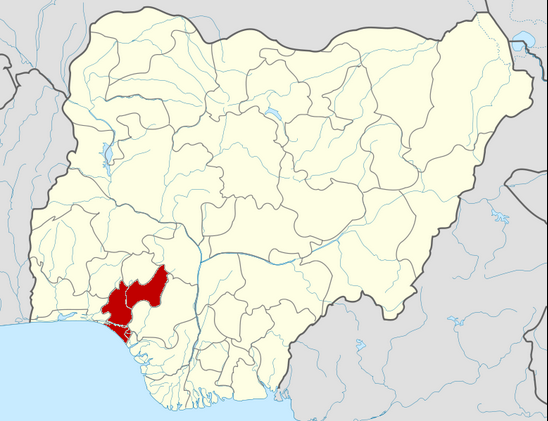
Ondo State: Alcoholic Drink Prohibition Enacted Amid Health Crisis
Summary
- Ondo State has implemented an immediate ban on the production and distribution of local alcoholic drinks.
- This prohibition follows a public health tragedy where 29 individuals have died.
- Authorities are investigating 60 suspected cases related to the incident.
- Three affected persons are currently hospitalized, and 27 others are under observation.
- The Ondo local alcoholic drinks ban highlights increased regulatory scrutiny on food and beverage safety in the region.
Ondo State Imposes Alcoholic Drink Prohibition
The immediate cessation of local alcoholic drink production and distribution is now a mandatory requirement for all relevant operators in Ondo State.
The government of Ondo State has enacted an immediate and comprehensive prohibition on the production and distribution of all local alcoholic beverages within its jurisdiction. This decisive action comes in the wake of a severe public health crisis, signaling a heightened focus on consumer safety and regulatory compliance across the region. The comprehensive ban aims to halt the spread of a mysterious illness that has claimed multiple lives and affected numerous residents, underscoring the urgency of the situation.
This stringent measure underscores the state's commitment to addressing the unfolding health emergency. The Ondo State alcoholic drink prohibition is a direct response to the escalating number of casualties and suspected cases, indicating a serious concern over the safety standards of locally produced alcoholic products. Authorities are moving swiftly to enforce this ban, which impacts all entities involved in the local alcohol supply chain, from manufacturers to distributors, ensuring that no further potentially contaminated products reach the market.
Public Health Crisis Deepens in Ondo
The prohibition follows a tragic incident that has seen the death toll climb significantly. A total of 29 individuals have unfortunately succumbed to the illness, marking a grim escalation of the Ondo State public health emergency. This rising fatality count has prompted urgent intervention from state authorities, culminating in the widespread ban on local alcoholic drinks as a critical measure to safeguard the population.
Beyond the fatalities, the crisis has affected many more residents, indicating a broad impact within the community. Official reports indicate a total of 60 suspected cases linked to the outbreak, suggesting a significant public health challenge. Of these, three individuals are currently receiving medical treatment in admission at healthcare facilities, while another 27 persons are under close observation by health professionals. The severity of these figures highlights the critical nature of the situation, necessitating immediate and broad-reaching public health measures to prevent further harm and identify the source of the contamination.
Heightened Scrutiny on Local Production and Compliance
The Ondo State alcoholic drink prohibition serves as a stark reminder for compliance officers and businesses operating within Nigeria's food and beverage sector, particularly those involved in alcohol production and distribution. This incident is likely to trigger increased regulatory scrutiny, emphasizing the critical importance of adhering to Nigeria alcohol production regulation and broader Nigeria food safety laws. Companies must ensure their operations meet all stipulated health and safety standards to avoid similar tragic outcomes and potential legal repercussions, thereby protecting both consumers and their own business continuity.
This development underscores a broader trend towards stricter enforcement of public health mandates, especially concerning consumables. The immediate cessation of local alcoholic drink production and distribution is now a mandatory requirement for all relevant operators in Ondo State. Failure to comply with this directive could lead to severe penalties, as authorities prioritize public safety in the face of this unfolding crisis. The incident highlights the urgent need for robust quality control, transparent sourcing, and strict adherence to established food safety protocols across the entire supply chain to prevent future public health emergencies. This proactive approach is crucial for maintaining consumer trust and ensuring the well-being of the populace.
Practical Implications
Compliance officers in Nigeria, particularly those with operations in Ondo State, must ensure immediate cessation of local alcoholic drink production and distribution to avoid legal penalties. This highlights increased regulatory scrutiny on food and beverage safety in the region.
Source
How does this affect you?
Get an AI analysis of this article grounded in your jurisdictions, practice areas, and any policy documents you've uploaded to Wansom.
Finish Reading the Full Story and the Expert Analysis.
Wansom is AI and can make mistakes.