
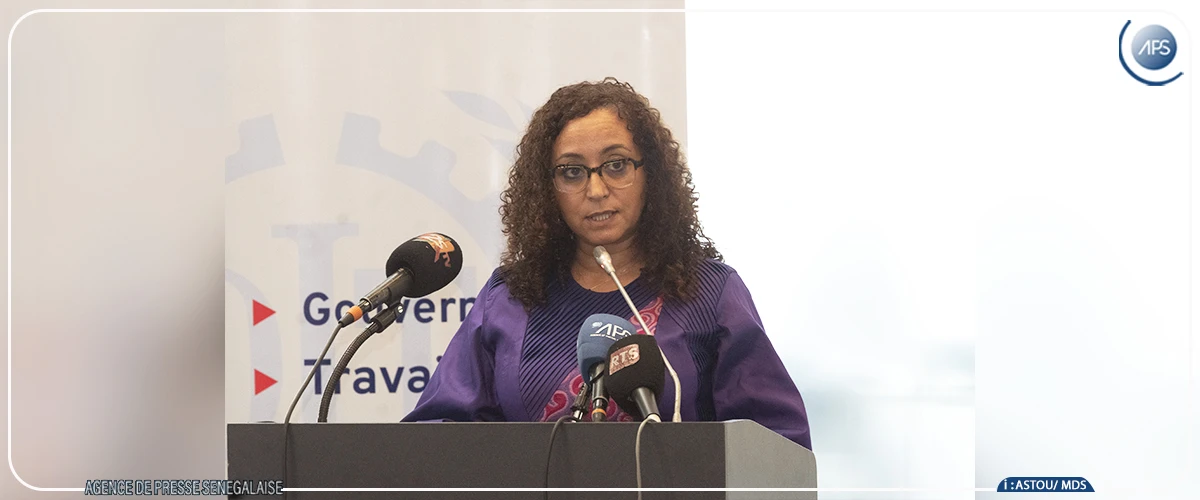
OIT Dakar: Urges Renforcement Droits Travailleurs Domestiques Sénégal
Summary
- The Organisation internationale du Travail (OIT) and social partners called for action in Dakar on Monday, October 19.
- The appeal focuses on strengthening the formalization of domestic work in Senegal.
- It also seeks to enhance social protection for domestic workers.
- The OIT emphasized the need for effective application of rights for domestic workers.
- Domestic work is recognized as a significant sector within the national economy.
Call for Enhanced Rights in Senegal
The OIT's emphasis on formalisation travail domestique Sénégal stems from the recognition that domestic work constitutes one of the most vital sectors within the national economy.
The Organisation internationale du Travail (OIT), in collaboration with various social partners, recently issued a significant appeal in Dakar. On Monday, October 19, the international body urged for a concerted effort to strengthen the formalization of domestic work, enhance social protection mechanisms, and ensure the effective application of existing rights for domestic workers across Senegal.
This call by the OIT renforcement droits travailleurs domestiques Sénégal highlights a critical area of labor policy. The initiative specifically targets the often-overlooked sector of domestic employment, aiming to bring it into greater compliance with international labor standards and national legal frameworks. The gathering in Dakar underscored the collective commitment of the OIT and its partners to address the unique challenges faced by this segment of the workforce.
The Importance of Formalization and Protection
The OIT's emphasis on formalisation travail domestique Sénégal stems from the recognition that domestic work constitutes one of the most vital sectors within the national economy. Despite its importance, this area of employment frequently operates outside formal regulatory structures, leading to precarious working conditions and limited access to essential benefits for workers.
The push for improved protection sociale travailleurs domestiques is designed to rectify these disparities. By advocating for better social security, healthcare access, and fair working conditions, the OIT and its partners seek to elevate the status and security of these employees. This move is crucial for ensuring that individuals engaged in domestic services receive the same level of legal and social safeguards as workers in other formalized sectors.
Strengthening Legislation and Enforcement
The appeal made by the Organisation internationale du Travail Dakar is not merely a recommendation but a call to action for the effective implementation of legislation travail domestique Sénégal. It implies a need for robust legal frameworks that clearly define the rights and responsibilities of both employers and domestic workers, alongside mechanisms for their consistent enforcement.
Ensuring the effective application of droits des travailleuses domestiques requires more than just laws; it demands awareness, monitoring, and accessible recourse for grievances. This initiative aims to foster an environment where domestic workers are fully aware of their entitlements and are empowered to claim them, thereby contributing to a more equitable and just labor market in Senegal.
Practical Implications
Lawyers and compliance officers in Senegal should advise clients employing domestic workers to review their current practices for compliance with existing labor laws and prepare for potential legislative changes or increased enforcement efforts aimed at formalizing domestic work and strengthening social protection, as advocated by the ILO.
Source
Source: Original reporting via APS
How does this affect you?
Get an AI analysis of this article grounded in your jurisdictions, practice areas, and any policy documents you've uploaded to Wansom.
Finish Reading the Full Story and the Expert Analysis.
Get the latest legal & regulatory intelligence in Senegal
Wansom is AI and can make mistakes.