
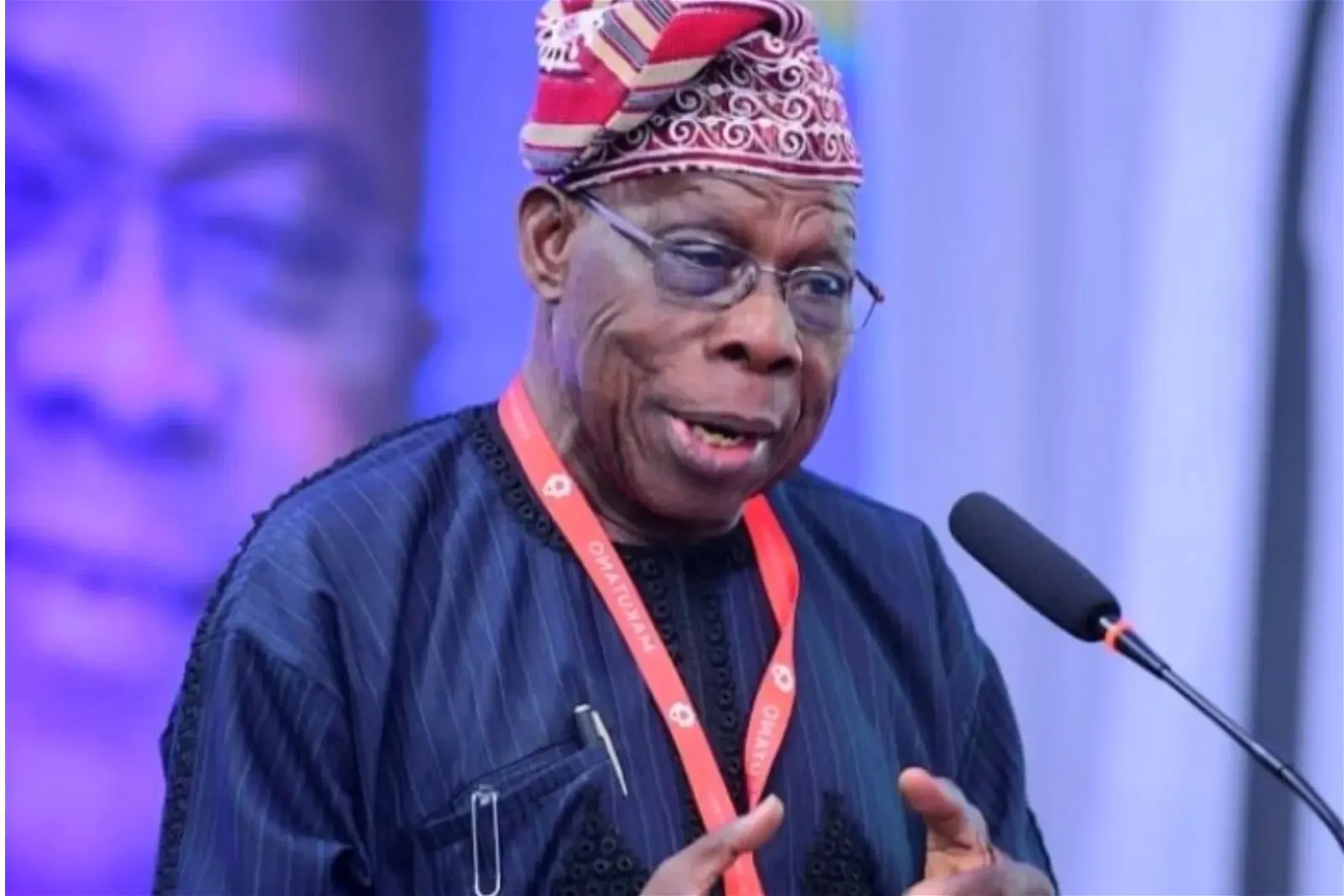
Obasanjo Slams Nigerian Courts Over Election Interference
Summary
- Former President Olusegun Obasanjo has expressed concern over the judiciary's growing role in determining election outcomes in Nigeria.
- Obasanjo argues that this trend undermines democracy and erodes the legitimacy of the electoral process.
- The controversy surrounding the judiciary's role in election outcomes has sparked calls for reform and greater transparency in the electoral process.
What Happened
According to Obasanjo, when millions of voters' choices are ultimately decided by a small group of judges, it erodes the legitimacy of the electoral process.
Former President Olusegun Obasanjo has spoken out against the increasing influence of Nigeria's judiciary in deciding election outcomes. In a recent statement, he emphasized that this trend undermines the fundamental principles of democracy. According to Obasanjo, when millions of voters' choices are ultimately decided by a small group of judges, it erodes the legitimacy of the electoral process.
Obasanjo's comments come at a time when Nigeria is preparing for upcoming elections, and his remarks have sparked debate about the role of the judiciary in shaping election outcomes.
Legal Context
Nigeria's electoral law has recently undergone significant amendments, particularly to the Electoral Act, which aim to streamline the jurisdiction and process for resolving pre-election disputes, thereby refining the discretion granted to courts in election outcomes. However, critics argue that this approach can lead to judicial overreach and undermine the democratic process. The country's judiciary has been accused of intervening excessively in elections, with some observers suggesting that this trend is driven by a desire to impose their own preferences on the outcome.
The controversy surrounding the judiciary's role in election outcomes has sparked calls for reform, with some advocates pushing for greater transparency and accountability in the electoral process. Others have argued that the courts should exercise restraint in resolving election disputes, allowing voters' choices to be respected.
Why It Matters
Obasanjo's comments on the judiciary's role in determining election outcomes are significant because they highlight a pressing issue for lawyers and their clients navigating Nigeria's electoral process. As elections approach, the potential for judicial intervention will likely continue to be a contentious topic. Lawyers should be aware of this commentary as it may influence future electoral disputes, potentially impacting their clients' strategies for navigating Nigeria's electoral process.
The debate surrounding the judiciary's role in election outcomes also raises broader questions about the relationship between democracy and the rule of law. As Obasanjo noted, when judges begin to decide election outcomes, it can create a perception that the courts are imposing their own will on the people, rather than upholding the principles of democratic governance.
Practical Implications
Lawyers should be aware of this commentary as it may influence future electoral disputes, potentially impacting their clients' strategies for navigating Nigeria's electoral process.
Source
How does this affect you?
Get an AI analysis of this article grounded in your jurisdictions, practice areas, and any policy documents you've uploaded to Wansom.
Wansom is AI and can make mistakes.