
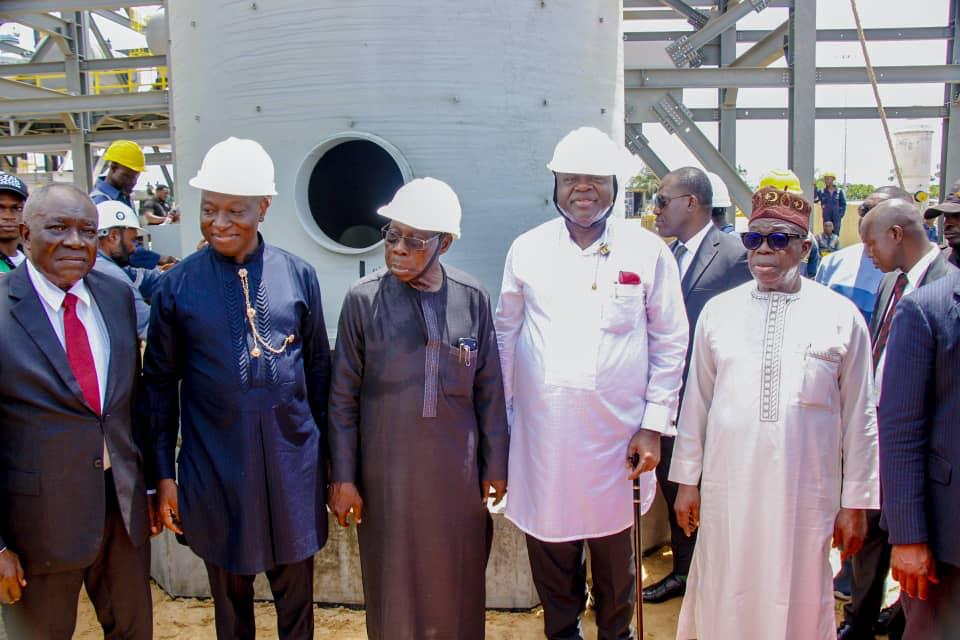
Obasanjo: Calls For 13% Derivation Increase In Nigeria
Summary
- Former President Olusegun Obasanjo recently advocated for an increase in the 13 percent derivation allocated to Nigeria's oil-producing states.
- The 13 percent derivation is a constitutional provision aimed at compensating oil-producing regions for resource extraction.
- This principle is a key component of Nigeria's fiscal federalism and has historically been central to the resource control debate.
- Obasanjo's call could reignite discussions on Nigeria's oil revenue allocation and potentially lead to legislative reforms.
- Oil-producing states have consistently argued that the current 13 percent allocation is insufficient to address environmental and developmental challenges.
A Call for Increased Derivation
Former President Olusegun Obasanjo recently voiced his support for an upward review of the 13 percent derivation formula currently allocated to Nigeria's oil-producing states.
Former President Olusegun Obasanjo recently voiced his support for an upward review of the 13 percent derivation formula currently allocated to Nigeria's oil-producing states. His advocacy, delivered on Monday, signals a potential re-ignition of discussions surrounding the equitable distribution of oil revenues within the federation. As a prominent elder statesman and former head of state, Obasanjo's pronouncements often carry significant weight in national discourse, drawing attention to critical policy areas.
This call specifically targets the existing mechanism designed to compensate regions where crude oil and gas resources are extracted. The 13% derivation fund is a crucial component of the financial framework governing resource allocation in Nigeria, directly impacting the economic viability and development prospects of these states. Obasanjo's intervention underscores the persistent concerns regarding the adequacy of current allocations in addressing the environmental and socio-economic impacts of oil exploration.
The Framework of Fiscal Federalism
The 13 percent derivation principle is enshrined in the Nigerian Constitution, serving as a fundamental aspect of the nation's fiscal federalism. This provision mandates that a minimum of 13 percent of the revenue accruing from natural resources, particularly crude oil, be returned to the states from which these resources are extracted. Its primary objective is to mitigate the adverse effects of resource exploitation on host communities and to foster development in these regions, which often bear the brunt of environmental degradation.
Historically, the implementation and adequacy of Nigeria's oil revenue allocation system have been subjects of intense debate, often referred to as the "resource control debate Nigeria." This discourse centers on the extent to which states should control and benefit from the natural resources within their geographical boundaries. The derivation fund was a significant outcome of these agitations, particularly following the return to democratic rule in 1999, aiming to address long-standing grievances of oil-producing areas.
Persistent Demands and Economic Realities
Despite the establishment of the 13 percent derivation, oil-producing states have consistently argued for an increase, contending that the current allocation is insufficient to tackle the extensive environmental damage, infrastructural deficits, and socio-economic challenges they face. These states often highlight the immense wealth generated from their territories versus the relatively modest share they receive, fueling calls for a more substantial portion of the derivation fund.
The ongoing discussions around Nigeria oil revenue allocation are complex, involving balancing the demands of resource-rich states with the financial needs of the federal government and other non-oil-producing states. Any adjustment to the derivation formula would have far-reaching implications for the national budget and the financial autonomy of various tiers of government. This delicate balance forms the core of the fiscal federalism Nigeria continues to grapple with.
Why This Advocacy Matters
Former President Olusegun Obasanjo's recent advocacy for an increase in the 13% derivation for oil-producing states carries significant weight, potentially influencing future legislative and policy considerations. His public statement could galvanize renewed efforts by oil-producing states derivation advocates to push for a review of the current revenue sharing formula. Such a move would necessitate a comprehensive re-evaluation of Nigeria's fiscal architecture and could lead to substantial shifts in financial power.
The call for an Obasanjo 13% derivation increase Nigeria highlights the enduring relevance of resource allocation in the country's political economy. Should this advocacy gain traction, it could precipitate a new round of negotiations and legislative actions aimed at reforming the derivation principle. This development would be closely watched by all stakeholders, as it directly impacts regional development, national stability, and the future trajectory of Nigeria's federal system.
Practical Implications
This advocacy signals potential future legislative debate on Nigeria's fiscal federalism and resource allocation. Lawyers advising oil and gas companies or state governments should monitor legislative developments for proposed changes to the 13% derivation formula, as this could impact revenue streams and operational considerations.
Source
How does this affect you?
Get an AI analysis of this article grounded in your jurisdictions, practice areas, and any policy documents you've uploaded to Wansom.
Finish Reading the Full Story and the Expert Analysis.
Get the latest legal & regulatory intelligence in Nigeria
Wansom is AI and can make mistakes.