
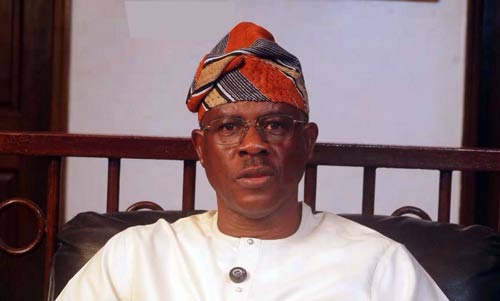
Obanikoro Backs Nigeria State Police: Constitutional Amendment Advances
Summary
- Musiliu Obanikoro, a former Senator and former Minister of State for Defence, supports the establishment of state police in Nigeria.
- Obanikoro believes this reform is timely and necessary to address the nation's worsening security challenges.
- He warned that state police must not be used as an instrument of political intimidation by governors.
- His stance aligns with the significant progress made on the state police reform, with a constitutional amendment approved by 28 State Houses of Assembly and awaiting presidential assent.
- Obanikoro also serves as the Director-General of the PBAT-KOH Campaign Council.
Support for State Police Reform
However, while championing the reform, Obanikoro issued a critical caution, emphasizing that state police must not be allowed to become an instrument of political intimidation.
Musiliu Obanikoro, a former Senator and former Minister of State for Defence, has publicly endorsed the push for establishing state police forces across Nigeria. His support aligns with the significant progress made on this reform, as a constitutional amendment establishing state police has been approved by 28 State Houses of Assembly, surpassing the required two-thirds threshold and awaiting presidential assent. Obanikoro, who also serves as the Director-General of the PBAT-KOH Campaign Council, views the proposed changes as both timely and essential for confronting the escalating security issues currently plaguing the nation. This clear stance by Obanikoro backs Nigeria state police as a critical step forward.
The former minister's backing highlights a growing sentiment that the current federal policing structure is insufficient to effectively manage Nigeria's diverse and complex security landscape. His intervention adds a prominent voice to the ongoing discussions surrounding the restructuring of law enforcement responsibilities, advocating for a decentralized approach to policing. This position by Musiliu Obanikoro on state police reform underscores the urgency perceived by many political figures in addressing the country's persistent security vulnerabilities and the need for more localized responses.
Addressing Security Challenges and Potential Pitfalls
Obanikoro's advocacy for the Nigerian state police establishment is primarily driven by the urgent need to tackle Nigeria’s worsening security challenges. He asserts that the creation of state-controlled police forces is a necessary step to enhance local security responses and improve overall public safety. This perspective suggests a belief that localized law enforcement can be more responsive and effective in combating crime and insecurity at the grassroots level, offering a more tailored approach than a centralized system. The reform is seen as a direct answer to the pervasive Nigeria security challenges state police could potentially mitigate.
However, while championing the reform, Obanikoro issued a critical caution, emphasizing that state police must not be allowed to become an instrument of political intimidation. This warning directly addresses concerns about potential abuse of power by governors, highlighting the necessity for robust safeguards to prevent such forces from being used for partisan purposes or to suppress political opposition. The delicate balance between empowering states to manage security and preventing the misuse of such power by governors remains a central point of contention in the debate surrounding the establishment of state police.
Political Context and Future Outlook
The approval of the constitutional amendment by 28 State Houses of Assembly, surpassing the required two-thirds threshold, signals significant political momentum behind the state police reform. This widespread support from legislative bodies across the country indicates a collective recognition of the need for fundamental changes in Nigeria's security architecture. Obanikoro's dual capacity as a former high-ranking defense official and a key figure in the PBAT-KOH Campaign Council lends considerable weight to his pronouncements on this sensitive issue, positioning him as an influential voice in the national discourse on security and governance.
The establishment of state police could profoundly reshape the dynamics of governance and law enforcement within Nigeria. It would necessitate careful legislative drafting to define jurisdictional boundaries, accountability mechanisms, and oversight structures to mitigate the risks of abuse, particularly concerning governors' potential for overreach. The ongoing legislative progress toward this reform warrants close monitoring, as its implementation would represent a monumental shift in the country's approach to internal security and the distribution of power, impacting various aspects of public life and legal frameworks.
Practical Implications
Lawyers should monitor the legislative progress of the proposed state police reform in Nigeria, as its establishment could significantly alter the landscape of law enforcement, civil liberties, and the balance of power between federal and state governments, impacting legal strategy and client advisory on policing matters.
Source
How does this affect you?
Get an AI analysis of this article grounded in your jurisdictions, practice areas, and any policy documents you've uploaded to Wansom.
Finish Reading the Full Story and the Expert Analysis.
Get the latest legal & regulatory intelligence in Nigeria
Wansom is AI and can make mistakes.