
New York Judge: NYC Rent Freeze Upheld Against Landlord Challenge
Summary
- A state judge upheld the NYC Rent Guidelines Board's 0% rent adjustment for rent-stabilized units, dismissing a landlord challenge.
- This NYC rent freeze applies to one- and two-year leases beginning between October 2026 and September 2027, affecting over a million units.
- Judge Brendan T. Lantry found landlords' claims of board non-independence "without merit" but criticized Mayor Mamdani's campaign promises as "reckless and irresponsible."
- The judge clarified that the Rent Guidelines Board, not the mayor, holds sole authority to adjust rents for stabilized units.
- Landlords, represented by Dechert LLP Randy Mastro, expressed disappointment, citing rising operating costs and potential "devastating consequences" for small landlords.
Judicial Affirmation of Rent Freeze
The mayor of the city of New York has no authority to unilaterally raise, 'freeze' or otherwise adjust the rent of stabilized units in this city — that responsibility is within the power of the board and the board alone.
A New York state judge has upheld a significant NYC Rent Guidelines Board ruling, dismissing a New York rent stabilization lawsuit brought by landlords challenging a 0% rent adjustment. This decision, issued on Thanksgiving Eve, effectively means the NYC rent freeze landlord challenge upheld the board's directive. The ruling specifically affirms the board's June 25 order, which mandates a 0% increase for one- and two-year leases on rent-stabilized units that commence between October 1, 2026, and September 30, 2027. This measure impacts over a million apartment units across the city.
The NYC rent freeze was a central Mamdani rent freeze promise during the mayor's campaign. Landlords, represented in part by Dechert LLP Randy Mastro, contended that Mayor Mamdani had improperly influenced the board by appointing loyalists to push his rent-curbing agenda, allegedly disregarding the escalating operational costs faced by property owners. Conversely, the city defended the freeze, presenting data that highlighted the financial struggles of tenants and arguing that citywide income growth provided landlords with the capacity to absorb increased expenses.
Judicial Scrutiny and Board Authority
In his ruling, Judge Brendan T. Lantry acknowledged that rent regulation consistently serves as a "point of contention among building owners and tenants." Despite the landlords' assertions, Judge Lantry concluded that the city's rent board "acted in accordance with the law." He found the claims that the board lacked independence from the mayor's office to be "without merit," based on the available record. This aspect of the Judge Brendan T. Lantry rent freeze decision is crucial for understanding the legal standing of the Rent Guidelines Board.
However, Judge Lantry did not shy away from criticizing Mayor Mamdani's campaign pledges regarding the rent freeze. He stated that "the court would be remiss not to state that such comments, promises and guarantees to freeze the rent were reckless and irresponsible." The judge further clarified that the mayor of New York City lacks the unilateral authority to adjust, raise, or freeze rents for stabilized units, emphasizing that this responsibility rests solely with the board. He ultimately deemed Mayor Mamdani's public calls to "freeze the rent" as "inconsequential to this proceeding," absent evidence that the board merely adopted his promise without independent evaluation. The judge also noted that shared political views among board members and the mayor did not imply collusion.
Implications for Property Owners and Tenants
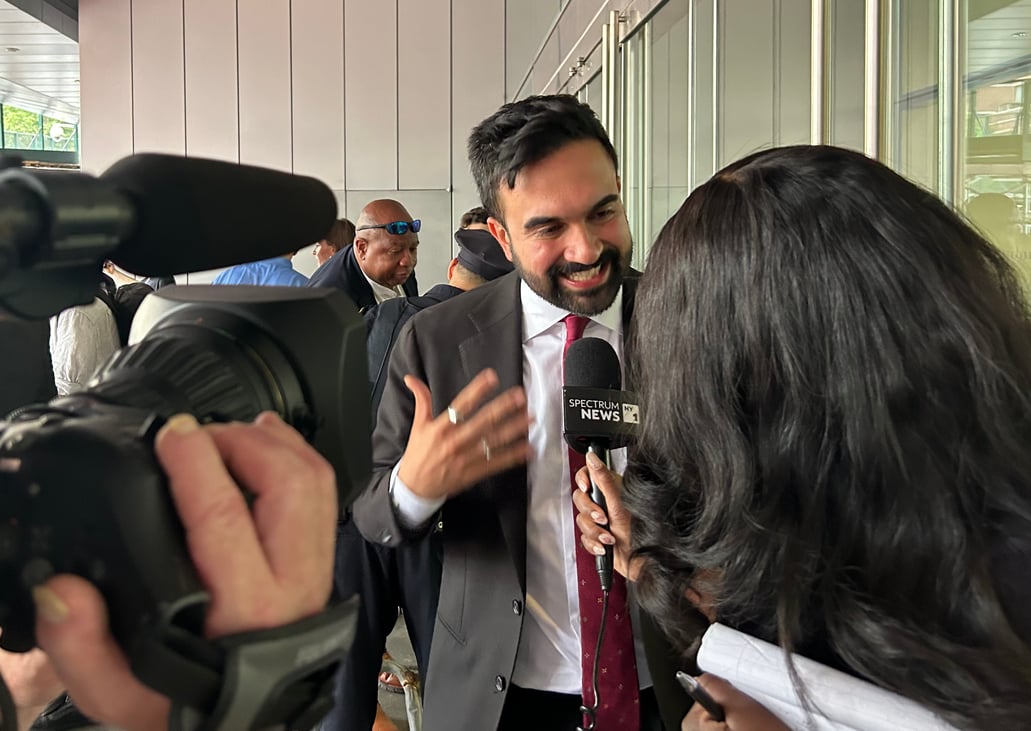
Mayor Mamdani, in response to the ruling, issued a statement asserting that the NYC Law Department had confirmed the board's actions were within its authority and that tenants required this relief. He hailed the decision as a victory for tenants, affirming the board's power to assist the more than two million New Yorkers residing in rent-stabilized apartments. The mayor expressed that this holiday weekend would bring a sense of relief to these residents.
The plaintiff landlords, comprising seven limited liability companies owning rent-stabilized properties across Brooklyn, Queens, Staten Island, and the Bronx, had sought to overturn the freeze and instead implement a rent increase. They cited recent statistics indicating a 5.3% rise in landlords' operating costs in the most recent year, with an additional 4.1% increase projected. Randy Mastro, an attorney with Dechert LLP and a former top deputy mayor, expressed disappointment with the ruling, highlighting the "devastating consequences" he believes this unprecedented NYC rent freeze will have for small landlords, despite the economic realities. He confirmed that the legal team is continuing to review the decision.
Practical Implications
Lawyers advising landlords of rent-stabilized properties in New York City must inform clients that the 0% rent adjustment for leases beginning between October 2026 and September 2027 has been legally affirmed, dismissing challenges regarding the Rent Guidelines Board's independence. This ruling solidifies the board's authority in setting rent adjustments, requiring compliance despite rising operating costs for landlords.
Source
How does this affect you?
Get an AI analysis of this article grounded in your jurisdictions, practice areas, and any policy documents you've uploaded to Wansom.
Finish Reading the Full Story and the Expert Analysis.
Get the latest legal & regulatory intelligence in United States
Wansom is AI and can make mistakes.