
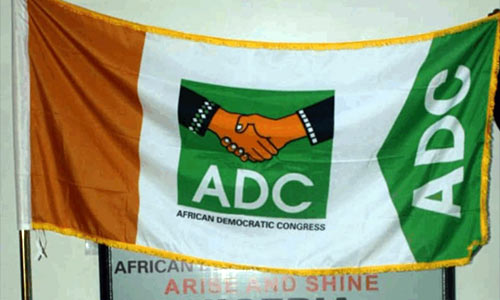
Federal High Court: Nwiabu Suit Against Bright Nulee ADC Dismissed
Summary
- A Federal High Court in Port Harcourt dismissed a suit filed by Legborsi Nwiabu, an African Democratic Congress aspirant.
- Nwiabu had challenged Bright Nulee's emergence as the ADC candidate for Khana State Constituency I in the Rivers State House of Assembly election.
- Justice Muhammed Turaki delivered the judgment on Wednesday, upholding Nulee's candidacy.
- The court also awarded ₦50,000 in costs to the Independent National Electoral Commission (INEC).
What Happened
The court's action reinforces the judicial stance on pre-election challenges to party candidacies, indicating a high bar for overturning primary outcomes and the risk of cost awards for unsuccessful litigants in such matters.
The Federal High Court in Port Harcourt recently delivered a significant ruling in a pre-election dispute, dismissing a suit initiated by Legborsi Nwiabu, an aspirant within the African Democratic Congress (ADC). Nwiabu had sought to challenge the emergence of Bright Nulee as the party's official candidate for the Khana State Constituency I seat in the 2023 Rivers State House of Assembly election. The core of the Nwiabu suit Bright Nulee ADC dismissal centered on the legitimacy of Nulee's selection process, aiming to overturn his candidacy and potentially pave the way for Nwiabu.
Presiding over the matter, Justice Muhammed Turaki delivered the judgment on Wednesday, concluding that the legal action lacked sufficient merit for the court to intervene. This decision effectively solidified Bright Nulee's position as the ADC candidate for the specified constituency; however, he did not win the 2023 election, which was won by John Dominic Iderima of the Peoples Democratic Party (PDP). As a direct consequence of the dismissal, the court also awarded costs of ₦50,000 to the Independent National Electoral Commission (INEC), a standard practice in cases where challenges to electoral processes are deemed unsuccessful.
Legal Context of Pre-Election Disputes
Pre-election litigation in Nigeria frequently revolves around the internal processes of political parties and the selection of their candidates, a crucial phase that dictates who will represent a party in general elections. The African Democratic Congress, like all political organizations, operates under internal guidelines for choosing its flag bearers. However, when aspirants such as Legborsi Nwiabu feel aggrieved by the outcomes of these internal processes, they often turn to the courts for redress. Such challenges typically question the fairness, transparency, or adherence to party constitutions, electoral laws, and established guidelines during primary elections.
Nigerian courts, particularly the Federal High Court Port Harcourt election, are vested with the jurisdiction to adjudicate these disputes. Nevertheless, established judicial precedent has set a high threshold for overturning the results of party primaries. Courts generally exercise deference to the internal workings of political parties unless there is clear and compelling evidence of a substantial violation of the Electoral Act, the party's constitution, or the Nigerian Constitution itself. This judicial approach aims to prevent excessive entanglement in the internal affairs of political parties while still ensuring that due process and democratic principles are upheld.
The Court's Rationale and Implications for Litigants
Justice Turaki's decision to dismiss the Nwiabu suit challenging Bright Nulee's ADC ticket underscores the judiciary's consistent stance on pre-election challenges to party candidacies. The ruling reinforces the principle that courts are reluctant to interfere with the internal democratic processes of political parties unless compelling evidence of substantial non-compliance or illegality is presented. This judicial posture serves as a critical reminder to aspirants that merely being dissatisfied with a primary outcome is often insufficient grounds for a successful legal challenge.
Furthermore, the award of ₦50,000 in INEC costs award Nigeria, while a modest sum, carries significant symbolic weight. It signals the court's readiness to penalize parties who pursue unsuccessful challenges to election tickets, especially when such actions contribute to the burden on electoral bodies and the judicial system. For legal practitioners advising political aspirants, this aspect of the judgment is particularly salient. It highlights the financial risks associated with litigation in pre-election matters and emphasizes the need for thorough due diligence and a strong evidentiary basis before initiating such suits. The court's action reinforces the judicial stance on pre-election challenges to party candidacies, indicating a high bar for overturning primary outcomes and the risk of cost awards for unsuccessful litigants in such matters.
Broader Significance for Electoral Integrity
The dismissal of Legborsi Nwiabu's challenge against Bright Nulee's candidacy for the Rivers State House of Assembly has broader implications for the integrity and stability of Nigeria's electoral process. By upholding the outcome of the African Democratic Congress candidate dispute, the Federal High Court in Port Harcourt has, in effect, affirmed the autonomy of political parties in their candidate selection, provided those processes are conducted within legal parameters. This contributes to reducing uncertainty around candidacies as elections approach, allowing parties and electoral bodies to focus on the general election without undue distractions from internal disputes.
For future ADC aspirants and those in other parties, this ruling serves as a precedent, emphasizing that internal party mechanisms should be exhausted and legal challenges reserved for clear breaches of law. It also subtly reinforces the role of INEC, not just as an election organizer, but as a body that can incur costs due to litigation, and thus, is entitled to compensation when such challenges are dismissed. This judgment, therefore, contributes to shaping the landscape of pre-election litigation in Nigeria, encouraging more judicious and well-founded legal interventions rather than speculative challenges.
Practical Implications
This ruling reinforces the judicial stance on pre-election challenges to party candidacies, indicating a high bar for overturning primary outcomes and the risk of cost awards for unsuccessful litigants in such matters. Lawyers should note the court's readiness to award costs against parties pursuing unsuccessful challenges to election tickets.
Source
How does this affect you?
Get an AI analysis of this article grounded in your jurisdictions, practice areas, and any policy documents you've uploaded to Wansom.
Wansom is AI and can make mistakes.