
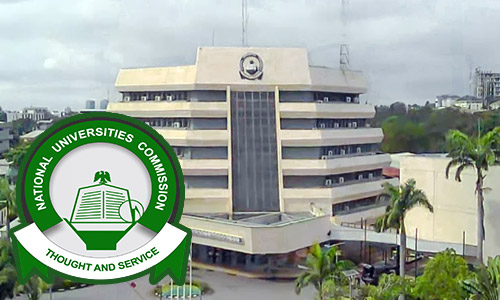
NUC Considers 4-Week University Break for 2027 Polls to Ensure Credible Elections
The National Universities Commission (NUC) in Nigeria is considering a three-to-four-week adjustment of academic calendars across Nigerian universities to enable academics to participate in the conduct of the 2027 general elections. This proposed adjustment is part of a broader strategy to mobilise credible and non-partisan academic personnel for electoral duties, particularly as ad-hoc staff, aiming to enhance the integrity and credibility of the upcoming polls. The NUC's deliberation reflects a recognition of the vital role university staff play in ensuring transparent electoral processes.
This potential calendar adjustment carries significant legal and practical implications for various stakeholders. For universities, it means a disruption to planned academic schedules, potentially affecting lecture periods, examinations, and graduation timelines. For students, it could alter their academic year, impacting internship opportunities, national service (NYSC) mobilisation, and post-graduation plans. More broadly, it underscores the government's and regulatory bodies' commitment to electoral integrity, leveraging the perceived neutrality and intellectual capacity of academics to bolster public trust in election outcomes.
The legal context for this consideration involves the Electoral Act, which governs the conduct of elections in Nigeria, and the National Universities Commission Act, which empowers the NUC to regulate university education and academic standards. The involvement of academics as ad-hoc electoral staff is a long-standing practice in Nigeria, often seen as a measure to mitigate electoral malpractice and ensure fairness. Key parties include the NUC, the various Nigerian universities, their academic staff, and implicitly, the Independent National Electoral Commission (INEC) which relies on such personnel.
Practitioners, particularly those in corporate law, education law, or human resources, should closely monitor the NUC's final decision. Businesses that recruit from universities or rely on academic expertise for research and development may need to adjust their timelines for graduate recruitment, internships, or consulting engagements. Law firms should also be aware of potential shifts in academic schedules that could affect the availability of legal academics for expert witness testimony, legal research, or as arbitrators. This development signals a proactive approach to electoral integrity that could have ripple effects across various sectors.
How does this affect you?
Get an AI analysis of this article grounded in your jurisdictions, practice areas, and any policy documents you've uploaded to Wansom.
Finish Reading the Full Story and the Expert Analysis.
Get the latest legal & regulatory intelligence in Nigeria
Wansom is AI and can make mistakes.