
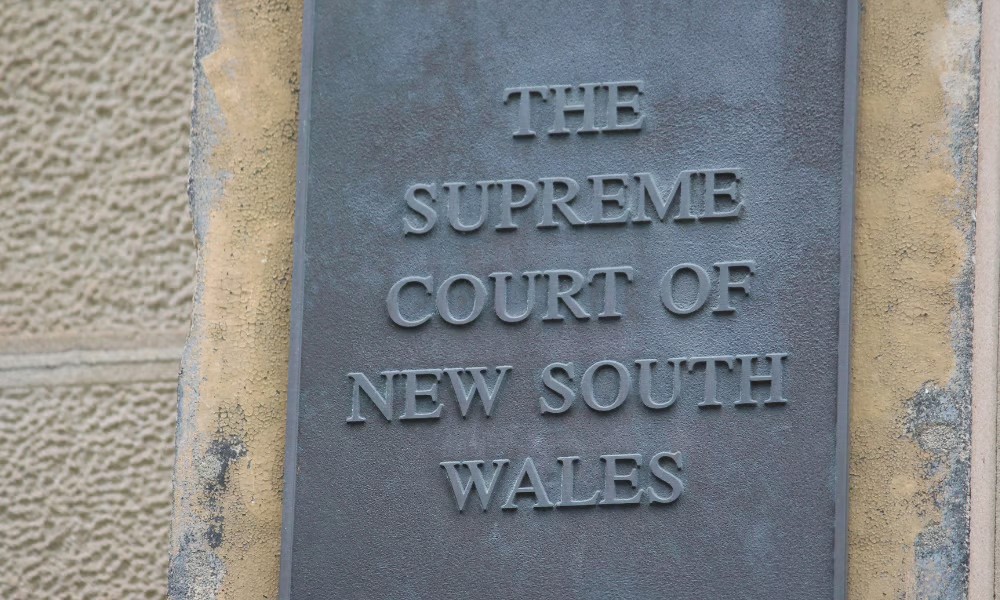
NSW Justice Fagan: Farhat Parole Miscarriage Finding Ignored
Summary
- NSW Supreme Court Justice Desmond Fagan raised concerns about a "serious miscarriage of justice" in Mohommed Farhat's parole denial.
- Justice Fagan found the sentencing magistrate was misled and lacked key evidence, concluding Farhat was motivated by money, not antisemitism, and posed no serious terrorism threat.
- The NSW parole authority upheld Farhat's parole denial, stating Fagan's findings were not considered due to "separate functions and legislative requirements."
- Farhat will serve his full 20-month sentence, expiring in October, despite Fagan's call for the state to correct the "evident injustice."
- NSW Greens MP Sue Higginson referred the matter to the Law Enforcement Conduct Commission, and the Attorney-General is seeking advice on appealing Fagan's refusal to impose special monitoring.
Overview of the Farhat Parole Case
The authority's stance underscores a critical tension between judicial review and the operational independence of parole boards in Australia.
Mohommed Farhat, convicted for graffiti offenses including the phrase "f..k Israel," remains in custody following the denial of his parole application. This decision by the NSW parole authority has come under scrutiny after NSW Supreme Court Justice Desmond Fagan intervened, raising significant concerns about a potential miscarriage of justice. Justice Fagan communicated directly with the authority, highlighting what he described as "serious errors" in the original sentencing process that led to Farhat's continued detention.
Despite Justice Fagan's explicit request for the parole authority to consider his findings, the body ultimately upheld its initial decision to deny parole to Mohommed Farhat. This outcome means Farhat is set to serve the entirety of his 20-month sentence, which is scheduled to conclude in October. The authority's stance underscores a critical tension between judicial review and the operational independence of parole boards in Australia.
Judicial Findings and Disputed Evidence
Justice Fagan's intervention followed an extensive review, encompassing thousands of pages of evidence, comprehensive psychological reports, and four days of hearings. His detailed examination led him to conclude that the sentencing magistrate had been misled and had not been presented with crucial evidence supporting Farhat's account. Specifically, Fagan found that the magistrate incorrectly characterized the graffiti, which included "f..k Israel" and "PKK coming," as antisemitic.
Contrary to the initial assessment, Justice Fagan determined that Farhat's actions were motivated by financial gain rather than antisemitism or religious ideology, and that he did not pose a serious terrorism threat. These judicial conclusions directly contradicted the parole authority's assessment, which maintained that Farhat had not renounced "extremist views" and represented a "serious identifiable risk to the community." Fagan's investigation further revealed that full bank statements corroborating Farhat's claim of being paid for the offenses were not provided to the sentencing magistrate. Additionally, the magistrate was reportedly unaware that counter-terrorism police had accepted Farhat was recruited and lacked ideological motivation.
Authority's Stance and Procedural Disconnect
The NSW parole authority confirmed that Justice Fagan's findings were not factored into its decision to deny Mohommed Farhat parole. A spokesperson for the authority explained that this omission was due to the "separate functions and legislative requirements of each jurisdiction." The authority's determination was based on material presented at a hearing held on March 6, which occurred more than four months prior to Justice Fagan's findings being made public. Although the parole decision was handed down weeks after Fagan's conclusions, the authority maintained its position on the grounds of procedural independence.
During an August 19 hearing, Justice Fagan publicly questioned whether the state, through its various agencies, would take action to rectify what he termed an "evident injustice." He clarified that he did not "purport to compel" but rather sought to ascertain if steps would be taken to address Farhat's continued full-time custody, given the serious errors he had identified. This highlights a significant point of contention regarding how judicial findings of serious error are weighed by parole authorities in Australia.
Broader Implications and Ongoing Developments
The case has drawn attention from various quarters, prompting further action and legal considerations. NSW Greens MP Sue Higginson has formally referred the matter to the Law Enforcement Conduct Commission, indicating a broader concern about the handling of the case. Concurrently, Attorney-General Michael Daley is seeking legal advice regarding a potential appeal. This appeal would challenge Justice Fagan's refusal to impose special monitoring conditions on Mohommed Farhat following his release, suggesting differing views on the perceived risk Farhat might pose.
Meanwhile, Mohommed Farhat's legal team is actively exploring options to address what they perceive as a miscarriage of justice. The situation underscores the complexities inherent in the parole system, particularly when judicial findings of serious error are not directly incorporated into parole board decisions. This precedent regarding the consideration of judicial findings by parole boards could have significant implications for future parole applications and challenges in NSW.
Practical Implications
This case highlights the potential for parole authorities to disregard judicial findings of serious error due to 'separate functions,' even when a higher court judge raises concerns about a miscarriage of justice. Lawyers advising clients on parole applications or challenging parole decisions should be aware of this precedent regarding the weight given to judicial findings by parole boards and consider strategies to ensure all critical evidence is formally considered or appealed.
Source
How does this affect you?
Get an AI analysis of this article grounded in your jurisdictions, practice areas, and any policy documents you've uploaded to Wansom.
Finish Reading the Full Expert Analysis.
Wansom is AI and can make mistakes.