
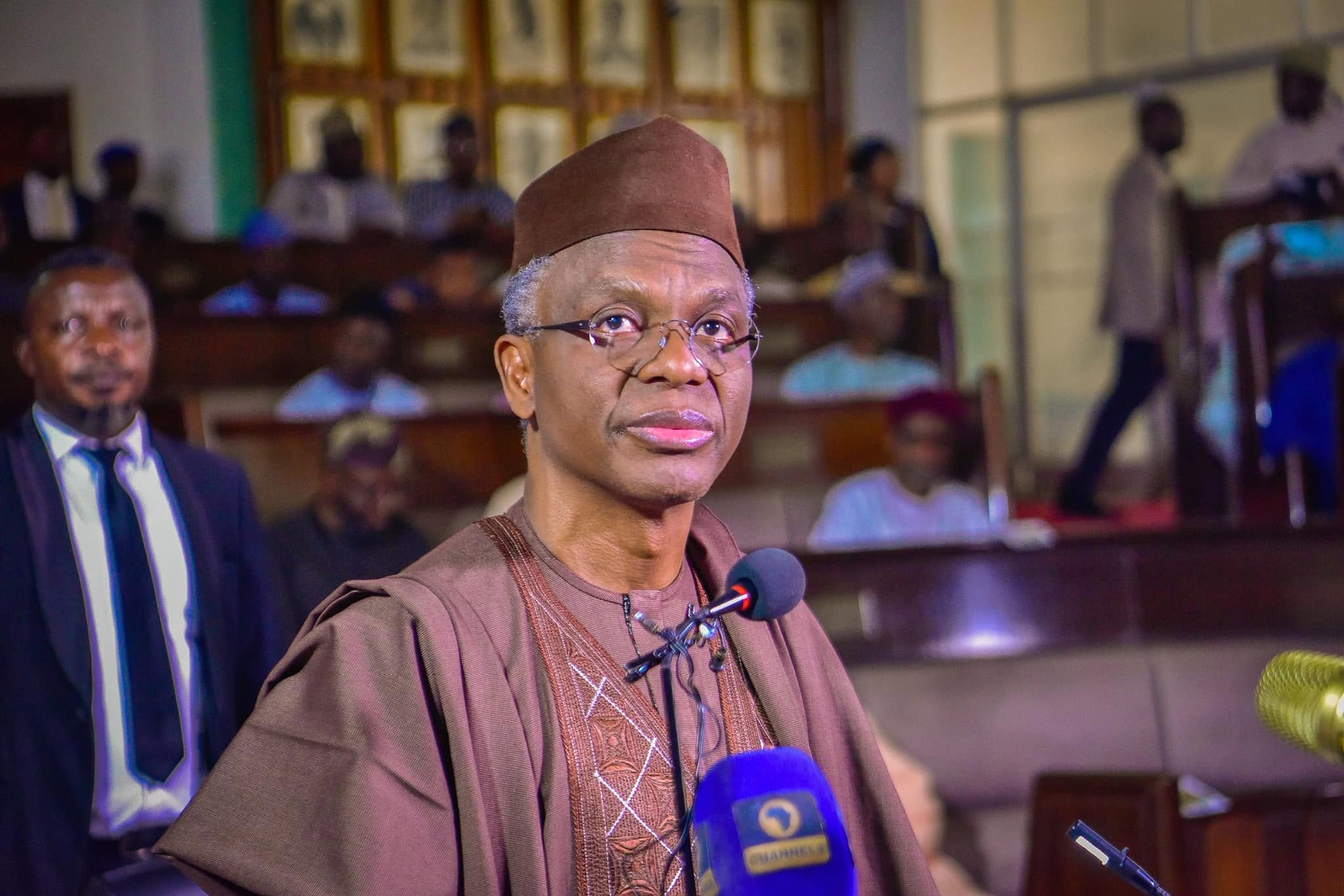
NSCIA: El-Rufai Prosecution Bias Alleged in Nigeria
Summary
- The Nigerian Supreme Council for Islamic Affairs (NSCIA) has alleged bias in the prosecution of former governor Nasir El-Rufai.
- The NSCIA urged the Nigerian government and judiciary to prevent individuals with alleged sectarian agendas from weaponizing public institutions against El-Rufai.
- The influential Islamic body explicitly demanded a fair trial for the former governor.
- These allegations highlight ongoing concerns about judicial independence and the potential for political influence in high-profile Nigerian legal cases.
Allegations of Bias Emerge in El-Rufai Prosecution
The NSCIA's intervention highlights broader concerns about judicial independence in Nigeria.
The Nigerian Supreme Council for Islamic Affairs (NSCIA), a prominent Islamic organization, has publicly voiced serious concerns regarding the ongoing prosecution of former governor Nasir El-Rufai. The council has directly appealed to both the Nigerian government and the nation's judiciary, urging them to intervene and prevent what it describes as the weaponization of public institutions.
According to the NSCIA, there are individuals with alleged sectarian agendas who are attempting to leverage governmental and judicial bodies against the former governor. This intervention by the influential Islamic body underscores a growing apprehension about the fairness and impartiality of the legal proceedings involving El-Rufai.
The core of the NSCIA's contention is an allegation of bias in the handling of El-Rufai's case. This claim suggests that the legal process may be influenced by factors beyond the strict application of law, potentially compromising the integrity of the judicial system in this high-profile matter.
Calls for Fair Process and Judicial Independence
In light of these allegations, the Nigerian Supreme Council for Islamic Affairs has issued a clear demand for a fair trial for Nasir El-Rufai. This call emphasizes the fundamental principle of due process, asserting that all individuals, regardless of their political standing, are entitled to an impartial hearing free from external pressures or prejudiced motives.
The NSCIA's intervention highlights broader concerns about judicial independence in Nigeria. When a significant religious body alleges that public institutions are being weaponized against a former high-ranking official, it inevitably casts a spotlight on the judiciary's ability to operate without political influence or sectarian considerations. Such claims can erode public trust in the justice system, making the demand for a transparent and equitable process even more critical.
Preventing the misuse of public institutions by individuals with alleged sectarian agendas is crucial for maintaining the rule of law and ensuring that justice is not only done but is also seen to be done. The council's plea serves as a reminder of the constant vigilance required to safeguard the impartiality of legal proceedings, particularly in politically sensitive cases.
Implications for Nigeria's Legal System
The allegations of judicial bias in Nigeria and the potential political weaponization of the judiciary, as raised by the NSCIA concerning Nasir El-Rufai's prosecution, carry significant implications for the nation's legal landscape. This development underscores persistent concerns about the integrity of high-profile legal cases and the extent to which political or sectarian interests might influence judicial outcomes.
The case of former governor El-Rufai, therefore, becomes a critical test for the Nigerian judiciary's commitment to upholding fair trial standards and due process. The ability of the courts to demonstrate independence and resist external pressures in such circumstances is vital for reinforcing public confidence in the judicial system and for setting a precedent for future politically charged prosecutions.
These judicial bias allegations in Nigeria also bring into focus the delicate balance between political accountability and the right to an unbiased legal process. The NSCIA's call for a fair trial for El-Rufai, particularly against the backdrop of alleged sectarian agendas influencing the prosecution, highlights the ongoing challenges in ensuring that justice is administered equitably and transparently for all citizens.
Practical Implications
This development highlights ongoing concerns about judicial independence and the potential for political influence in high-profile prosecutions in Nigeria. Lawyers should monitor this case for precedents regarding due process and fair trial standards, especially when advising clients involved in politically sensitive matters.
Source
How does this affect you?
Get an AI analysis of this article grounded in your jurisdictions, practice areas, and any policy documents you've uploaded to Wansom.
Finish Reading the Full Story and the Expert Analysis.
Wansom is AI and can make mistakes.