
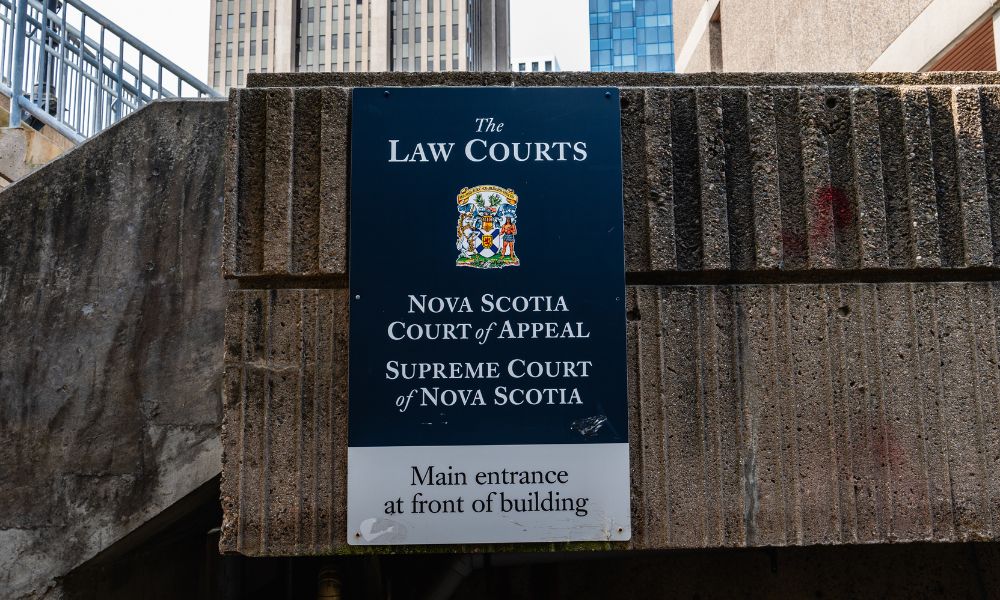
Nova Scotia Court of Appeal: CCAA Judge Lacked D&O Insurance Authority
Summary
- The Nova Scotia Court of Appeal overturned an order requiring Newline Canada Insurance Limited to advance D&O defence costs in a CCAA proceeding.
- The appellate court ruled that the CCAA supervising judge exceeded their authority by adjudicating an insurance coverage dispute between an insurer and the directors and officers.
- The court emphasized that CCAA jurisdiction should primarily serve the debtor company and its creditors, not resolve third-party insurance claims for D&O defence costs.
- The decision highlighted that the proper procedure under Nova Scotia's Insurance Act, requiring established liability, was not followed before seeking coverage declarations.
- D&O insurance coverage issues, particularly defence costs, should typically be addressed outside CCAA proceedings once liability is proven, in an appropriate Supreme Court action.
Background to the Dispute
The Nova Scotia Court of Appeal determined that while Section 11 of the CCAA grants broad powers, these must be exercised to advance the Act's remedial goals, not to resolve insurance coverage disputes between third parties and their insurers.
The Nova Scotia Court of Appeal recently overturned a lower court's directive that compelled Newline Canada Insurance Limited to advance defence costs for directors and officers (D&Os) of The Halifax Herald Limited. This decision, stemming from the case of Newline Canada Insurance Limited v. Fiera Private Debt Fund III LP, 2026 NSCA 71, found that the supervising judge in the Companies' Creditors Arrangement Act (CCAA) proceedings had overstepped their jurisdictional bounds. The appellate court clarified that the resolution of this particular insurance coverage dispute did not align with the CCAA's remedial objectives, as it primarily involved the insurer and the D&Os, rather than the insolvent company or its creditors.
The Halifax Herald, an Atlantic Canadian media and publishing entity, encountered financial difficulties, specifically failing to meet its retirement plan contributions in 2018 and 2019. Consequently, the company sought CCAA protection in March 2024, leading to Eckler Admin Corp. Ltd. being appointed as the interim administrator for the pension plan. By October 2024, Eckler initiated legal action against The Herald itself, and in the subsequent month, secured court permission to launch a separate lawsuit against the company's D&Os, though further steps in this D&O action were restricted without additional judicial approval. Both lawsuits alleged that funds intended for pension contributions were improperly diverted towards the company's digital strategy. Furthermore, Eckler's claims included breaches of fiduciary duties, violations of Nova Scotia's Pension Benefits Act, and the alleged use of pension funds to cover litigation expenses.
Legal Context and Appeal Court's Findings
Newline Canada Insurance Limited had issued a directors and officers liability policy to Brace Holdings Limited, The Herald's parent company, while AIG Insurance Company of Canada provided a separate fiduciary liability policy. Following the commencement of the actions, Eckler sought declarations from the supervising court regarding the insurers' obligations for both defence and indemnification. The initial CCAA supervising court ruled that Newline was obligated to advance defence costs to the D&Os and that AIG had a duty to defend both actions, though it declined to issue declarations concerning indemnification.
Newline subsequently appealed this decision, challenging the supervising court's authority under Section 11 of the CCAA and its interpretation of the insurance policy. The Nova Scotia Court of Appeal determined that while Section 11 of the CCAA grants broad powers, these must be exercised to advance the Act's remedial goals, not to resolve insurance coverage disputes between third parties and their insurers. The appellate court rejected the lower court's application of the 'single-proceeding model,' emphasizing that this principle typically applies to actions against the debtor company, whereas Eckler's specific action targeted the D&Os. Crucially, the court also highlighted that Eckler had not adhered to the procedural requirements outlined in Section 28(1) of Nova Scotia's Insurance Act, which necessitates establishing the D&Os' liability through a judgment before pursuing recovery from an insurer. The attempt to determine insurance coverage prior to establishing liability was deemed premature and inappropriate within the CCAA proceedings.
Implications of the Ruling
The Nova Scotia Court of Appeal explicitly refrained from interpreting Newline's policy or assessing the applicability of its exclusions. Instead, it directed that any future determination regarding D&O defence costs and coverage should be pursued by the directors and officers through an appropriate Supreme Court proceeding, outside the CCAA framework. This decision effectively allowed Newline's appeal, setting aside the order related to its policy. As a result, Eckler was ordered to reimburse $25,000 in costs awarded by the lower court and to pay an additional $10,000 for the appeal costs.
It is important to note that this ruling specifically pertained to Newline Canada Insurance Limited and does not impact the supervising court's earlier findings concerning AIG Insurance Company of Canada, as AIG did not participate in the appeal. The judgment from the Nova Scotia Court of Appeal clarifies the limits of CCAA supervising court jurisdiction in D&O defence costs insolvency Nova Scotia cases, particularly when it comes to resolving D&O insurance coverage disputes before liability is definitively established, reinforcing the need to follow provincial insurance act procedures.
Practical Implications
Lawyers advising on D&O liability or insolvency proceedings must note that CCAA courts have limited jurisdiction to determine D&O insurance coverage disputes, particularly regarding defence costs, and such matters should typically follow provincial insurance act procedures after liability is established, rather than being prematurely addressed within CCAA proceedings.
Source
How does this affect you?
Get an AI analysis of this article grounded in your jurisdictions, practice areas, and any policy documents you've uploaded to Wansom.
Finish Reading the Full Story and the Expert Analysis.
Get the latest legal & regulatory intelligence in Canada
Wansom is AI and can make mistakes.