
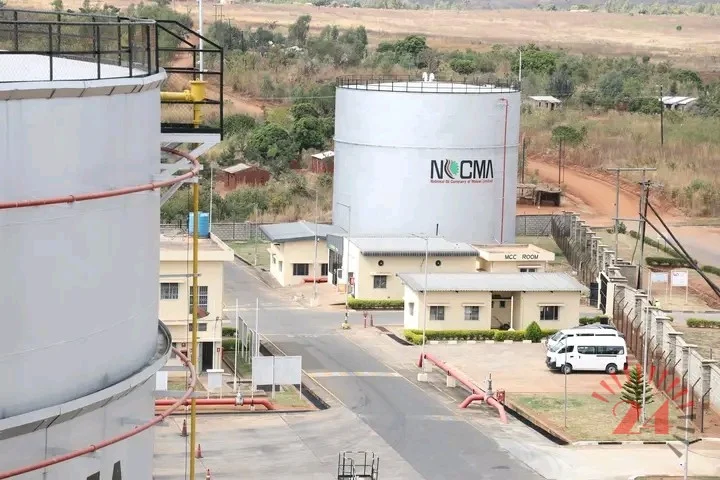
Malawi: NOCMA K700m Payment Arrests Officials
Summary
- Malawi police have arrested two officials from the National Oil Company of Malawi (NOCMA).
- The arrests are linked to an investigation concerning a K700 million payment.
- This action signals increased enforcement against financial irregularities in Malawi's public sector.
- The incident highlights the importance of robust anti-corruption policies and enhanced due diligence for entities engaging with state-owned enterprises.
Recent Developments at NOCMA
The apprehension of NOCMA officials over the K700 million payment signals a broader trend of increased enforcement against financial misconduct within Malawi's state-owned enterprises.
Malawi's law enforcement authorities have initiated a significant action against alleged financial irregularities within a key state-owned enterprise. Police recently confirmed the arrest of two officials associated with the National Oil Company of Malawi (NOCMA). These detentions stem directly from an ongoing investigation into a substantial K700 million payment, marking a critical moment in the nation's efforts to address financial oversight.
The arrests underscore a heightened focus on accountability within public sector entities, particularly concerning large financial transactions that involve public funds. While specific details surrounding the precise nature of the K700 million payment remain under wraps as the investigation proceeds, the direct involvement of law enforcement suggests a serious inquiry into its legitimacy and the processes that led to its disbursement. This development follows what has been characterized as a reversal of previous stances or decisions by NOCMA regarding the payment, bringing the matter under intense scrutiny and prompting official action. The incident highlights the potential for compliance risk within even established state institutions.
Heightened Scrutiny on Public Sector Finance
The apprehension of NOCMA officials over the K700 million payment signals a broader trend of increased enforcement against financial misconduct within Malawi's state-owned enterprises. This incident contributes to a growing narrative of robust efforts to combat public sector financial crime across the nation. Such actions are crucial for upholding transparency and fostering public trust in government-affiliated bodies responsible for managing significant national resources. The Malawi K700 million fraud investigation, as it is being perceived, underscores the government's commitment to rooting out corruption.
Authorities appear to be intensifying their focus on compliance risk within organizations like NOCMA, which play a vital role in the country's economic infrastructure, particularly in the critical energy sector. The ongoing inquiry highlights the imperative for robust internal controls and stringent oversight mechanisms to prevent and detect financial irregularities before they escalate. This proactive approach by law enforcement aims not only to address current instances of malfeasance but also to deter future occurrences, ensuring responsible stewardship of public funds and promoting ethical conduct throughout the public sector. The NOCMA officials arrested Malawi case serves as a clear warning.
Implications for Governance and Compliance
The arrests at the National Oil Company of Malawi carry significant implications for corporate governance and compliance standards within the country's public sector. For legal professionals and compliance officers advising clients in Malawi, this event serves as a stark reminder of the evolving landscape of enforcement. It underscores the necessity for organizations, especially those interacting with state-owned entities, to implement and continuously review robust anti-corruption policies that align with international best practices and local regulations.
Furthermore, the situation emphasizes the critical importance of enhanced due diligence when engaging in transactions or partnerships with public sector bodies. Companies and individuals must meticulously assess potential compliance risks, ensuring that all financial dealings are transparent, legitimate, and adhere to the highest ethical standards. The NOCMA K700m payment arrests Malawi case illustrates that authorities are prepared to act decisively against perceived financial impropriety, reinforcing the need for proactive risk mitigation strategies and a culture of integrity across all business operations involving public funds. This heightened scrutiny aims to safeguard national assets and maintain investor confidence.
Practical Implications
The arrest of NOCMA officials over a K700m payment signals heightened enforcement against financial irregularities within Malawi's state-owned enterprises. Lawyers and compliance officers should advise clients on robust anti-corruption policies and enhanced due diligence when engaging with public sector entities to mitigate legal and reputational risks.
Source
How does this affect you?
Get an AI analysis of this article grounded in your jurisdictions, practice areas, and any policy documents you've uploaded to Wansom.
Finish this article free. Just your email for instant unlock.
Wansom is AI and can make mistakes.