
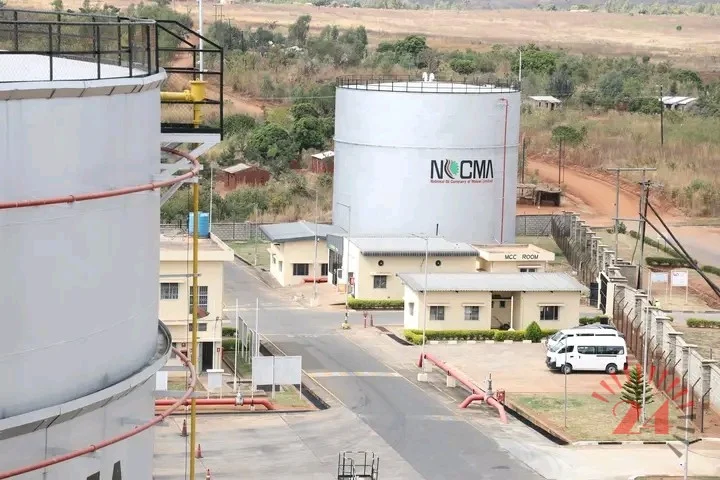
NOCMA: K700m Cyber Heist Rocks Malawi Fuel Procurement
Summary
- Malawi's National Oil Company (NOCMA) lost K700 million due to a cyber heist.
- The digital theft was connected to NOCMA's fuel procurement operations.
- The incident highlights significant cybersecurity and financial fraud risks for state-owned enterprises in Malawi.
- The K700 million digital theft underscores the urgent need for strengthened digital transaction security and internal controls in public sector entities.
Incident Overview
This incident highlights significant cybersecurity and financial fraud risks for state-owned enterprises and companies engaged in high-value procurement in Malawi.
The National Oil Company of Malawi (NOCMA), a critical state-owned enterprise responsible for the nation's energy security, has recently been targeted in a significant digital financial crime. Reports indicate that NOCMA was defrauded of K700 million through a sophisticated cyber heist. This substantial financial loss occurred in the context of the company's vital fuel procurement activities, underscoring a severe vulnerability within the high-value transactional landscape for state entities operating in Malawi. The incident serves as a stark reminder of the escalating threat posed by corporate cybercrime Malawi, particularly when directed at organizations entrusted with essential national services and large-scale acquisitions.
The specific details surrounding how NOCMA was "duped" point towards a meticulously executed digital fraud scheme, rather than a straightforward system compromise. Such sophisticated attacks often leverage advanced social engineering techniques, exploit gaps in digital transaction security protocols, or capitalize on internal control weaknesses, enabling perpetrators to illicitly divert funds. The K700 million digital theft represents a considerable financial blow to a public entity, immediately raising serious questions about the integrity of procurement processes and the overall resilience of cybersecurity defenses within Malawi's public sector. This event highlights the potential for significant financial losses when state-owned enterprises become targets of such advanced fraudulent activities.
Systemic Vulnerabilities and Context
This incident involving NOCMA underscores a broader pattern of vulnerability for state-owned enterprises (SOEs) engaged in high-value procurement, particularly in critical sectors like energy. The scale of the K700 million digital theft suggests that such entities, often handling large sums of public money and managing complex supply chains, present attractive targets for sophisticated cybercriminals. The focus on Malawi fuel procurement fraud indicates that areas involving substantial financial flows and intricate international transactions are particularly susceptible to exploitation. This type of corporate cybercrime Malawi can have far-reaching consequences beyond the immediate financial loss, potentially impacting national resource allocation and public trust.
The nature of a state-owned enterprise security breach like this necessitates a thorough review of existing internal controls and digital security frameworks. For organizations like NOCMA, which are central to national infrastructure, the integrity of their financial operations is paramount. The successful execution of this cyber heist suggests potential deficiencies in fraud prevention measures, including authentication protocols for payments and robust oversight mechanisms for high-value contracts. Ensuring the security of these processes is not merely a matter of corporate governance but a critical component of national economic stability and security.
Implications and Call for Enhanced Security
The K700 million cyber heist at NOCMA carries significant implications for Malawi's economic landscape and its public sector. Such a substantial loss of public funds, particularly from an entity involved in essential fuel procurement, can directly impact national development initiatives and the provision of critical services. It erodes public confidence in the financial management capabilities of state institutions and highlights the urgent need for a comprehensive re-evaluation of digital security postures across all government-affiliated bodies. The incident serves as a critical case study for the potential for Malawi fuel procurement fraud to undermine national resources.
In response to this incident, legal and compliance professionals are increasingly emphasizing the imperative for companies, especially state-owned enterprises and those involved in high-value procurement, to immediately review and strengthen their digital transaction security protocols. Robust internal controls, multi-factor authentication for financial transfers, and continuous employee training on cyber threats are no longer optional but essential safeguards against corporate cybercrime Malawi. Proactive fraud prevention measures are crucial to mitigate the risks of similar financial losses and to protect public assets from sophisticated digital theft. This incident underscores that a state-owned enterprise security breach can have profound and lasting consequences, making robust cybersecurity an indispensable part of modern corporate governance.
Practical Implications
This incident highlights severe cybersecurity and financial fraud risks for state-owned enterprises and companies engaged in high-value procurement in Malawi. Legal and compliance professionals should advise clients to immediately review and strengthen their digital transaction security protocols, internal controls, and fraud prevention measures to prevent similar financial losses.
Source
Source: Original reporting via Malawi24
How does this affect you?
Get an AI analysis of this article grounded in your jurisdictions, practice areas, and any policy documents you've uploaded to Wansom.
Wansom is AI and can make mistakes.