
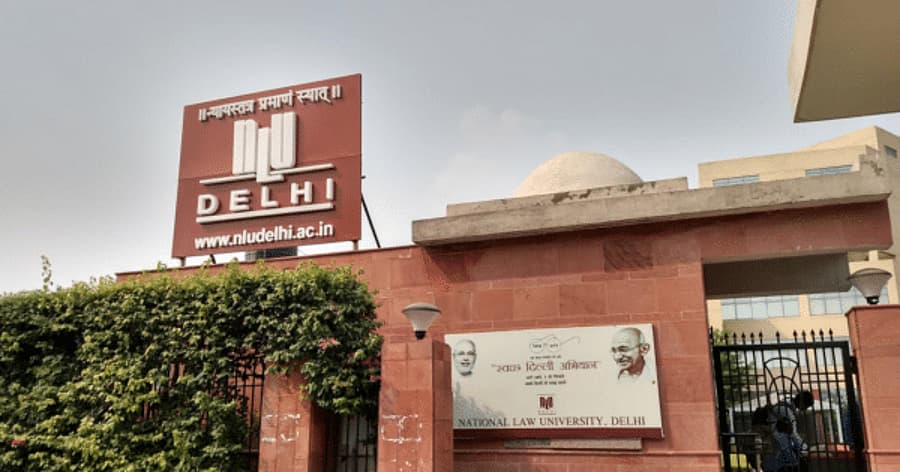
NLU Delhi Solidarity: NLSIU Convocation Cancellation Criticized
Summary
- NLU Delhi's student bar council expressed solidarity with NLSIU's graduating batch after their convocation was cancelled.
- The August 28 statement acknowledged the Chief Justice of India's role as NLSIU's ex-officio Chancellor but argued student concerns should not lead to cancellation.
- NLU Delhi asserted that graduating students must have autonomy to express collective views on convocation matters, including guest invitations.
- The statement highlighted that administrative authority over convocation conduct cannot control the substance of student expression.
- NLU Delhi emphasized NLSIU's responsibility to uphold academic freedom, student autonomy, and constitutional expression, which are central to its legal education.
Solidarity Amidst Convocation Cancellation
Administrative authority over the practical conduct of a convocation should not extend to dictating or controlling the substantive content of students' collective expression.
The governing council of the student bar council at National Law University, Delhi (NLUD) has publicly expressed its solidarity with the graduating cohort of the National Law School of India University (NLSIU) following the cancellation of their convocation ceremony. This gesture of support, articulated in an August 28 statement, underscores a significant moment of inter-university student advocacy within the Indian legal education landscape.
The NLUD student body acknowledged the customary and important association of the Chief Justice of India (CJI) with the convocation, recognizing his ex-officio role as the Chancellor of NLSIU. However, their statement critically argued that the concerns and perspectives voiced by the graduating students should not have culminated in the outright cancellation of the convocation itself. This stance highlights a tension between institutional authority and student expression regarding ceremonial events.
Upholding Student Autonomy and Expression
Central to the NLU Delhi student bar council's statement was the assertion that a graduating cohort must possess the inherent autonomy and freedom to collectively articulate its views on matters pertaining to its convocation. This includes, but is not limited to, decisions regarding the invitation of guests to the ceremony. The statement firmly contended that administrative authority over the practical conduct of a convocation should not extend to dictating or controlling the substantive content of students' collective expression.
While the NLSIU administration indicated that degrees would still be conferred "in absentia," the NLU Delhi statement emphasized that this administrative measure does not adequately substitute for the profound significance of the graduating class being able to physically mark and celebrate their academic achievement. The collective experience of a convocation, it implied, holds a value that cannot be replicated through a mere procedural conferral of degrees.
NLSIU's Stature and Institutional Responsibility
The NLU Delhi statement also drew attention to NLSIU's preeminent position within the Indian legal education system. It recognized NLSIU as an institution that holds a significant place and remains a dream destination for countless aspiring law students across the country. This esteemed stature, the statement argued, carries with it a corresponding and weighty responsibility.
This responsibility, according to the NLU Delhi student body, mandates that NLSIU consistently uphold the fundamental values of academic freedom, student autonomy, and constitutional expression. These principles, it stressed, are not peripheral but are, in fact, central to the very legal education that the institution endeavors to impart. The incident, therefore, frames a broader discussion about the role of leading educational institutions in fostering an environment conducive to free expression and student rights.
Practical Implications
This article reports on an internal university matter concerning student expression and academic freedom within a legal education institution. While it highlights issues of institutional governance and student rights, it does not present a direct practical implication or actionable insight for practicing lawyers or compliance officers in their professional duties.
Source
How does this affect you?
Get an AI analysis of this article grounded in your jurisdictions, practice areas, and any policy documents you've uploaded to Wansom.
Finish Reading the Full Story and the Expert Analysis.
Wansom is AI and can make mistakes.