
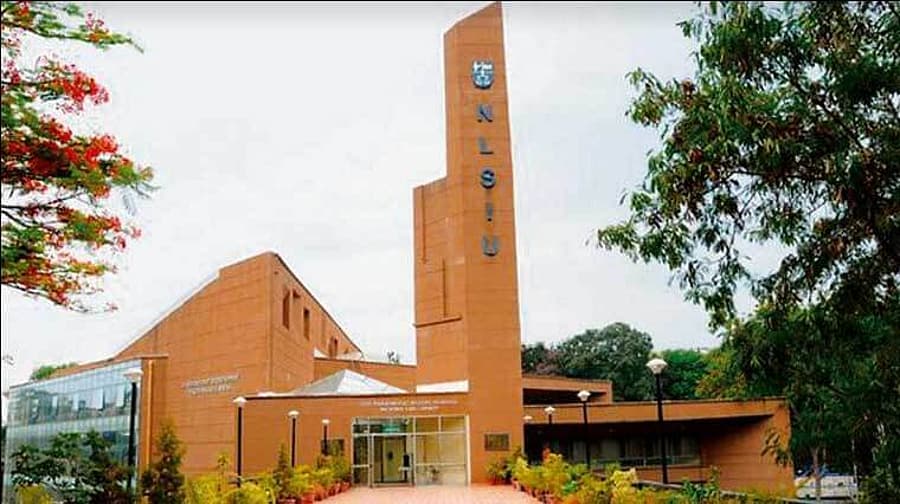
NLSIU: Convocation Cancellation Controversy Over CJI, BCI Guests
Summary
- NLSIU's 34th Annual Convocation was cancelled, with the university citing "unavoidable circumstances."
- The cancellation is widely understood to be linked to controversy surrounding the proposed presence of CJI Surya Kant and BCI Chairman Manan Kumar Mishra.
- The broader dispute began with NALSAR students questioning convocation guests, leading to a Bar Council of India threat to block advocate enrollment for an entire graduating batch.
- NLSIU students publicly supported their NALSAR peers amidst the escalating tensions.
- Beyond the lost ceremony, the cancellation highlights concerns about the capacity for dissent within Indian legal education.
Unprecedented Cancellation at NLSIU
Beyond the immediate disappointment of a missed ceremony, the cancellation raises a more profound concern regarding the capacity for dissent within Indian legal education.
The National Law School of India University (NLSIU) recently announced the cancellation of its 34th Annual Convocation, citing "unavoidable circumstances." While the institution has not explicitly linked this decision to the significant controversy surrounding the proposed attendance of Chief Justice of India (CJI) Surya Kant and Bar Council of India (BCI) Chairman Manan Kumar Mishra, the timing and context suggest a strong connection. This distinction, though unstated by NLSIU, is crucial in understanding the broader implications of the event.
For the graduating class, the cancellation represents a tangible and irreplaceable loss. A convocation ceremony, with its traditions of students walking across the stage, families witnessing the milestone, and an entire batch celebrating together, offers a unique and memorable experience. Although degrees can still be conferred in absentia and certificates dispatched, the communal and celebratory aspect of the event cannot be replicated, leaving a void for those who had anticipated this significant rite of passage.
Escalating Tensions Over Student Dissent
The NLSIU convocation cancellation controversy did not emerge in isolation but is rooted in a wider wave of student activism within Indian legal education. The initial spark came from students at NALSAR, who began questioning the appropriateness of certain individuals occupying their convocation stage. This localized protest quickly escalated into a much larger confrontation involving the Bar Council of India, the apex regulatory body for legal practice in India.
The BCI responded to the growing dissent by briefly threatening to prevent an entire graduating batch from enrolling as advocates, a move that sent shockwaves through the legal academic community. In a display of solidarity, NLSIU students subsequently voiced their support for their NALSAR counterparts. This sequence of events transformed the issue from a specific debate about convocation guests into a broader argument concerning the boundaries of student expression and the regulatory authority of institutions like the BCI, particularly concerning advocate enrollment.
The Broader Implications for Legal Education
Against this backdrop, the cancellation of the NLSIU 34th Annual Convocation is unlikely to be perceived merely as an administrative scheduling decision. Its absence has already acquired a profound context, reflecting the escalating tension between student activism and institutional control. Beyond the immediate disappointment of a missed ceremony, the cancellation raises a more profound concern regarding the capacity for dissent within Indian legal education.
This situation should deeply worry not only the current cohort of law students but also law universities across the country. The ability of students to voice concerns and engage in critical discourse is fundamental to a robust academic environment and the development of future legal professionals. When such expressions of dissent appear to lead to the cancellation of significant institutional events, it signals a potential chilling effect on free speech and academic freedom, underscoring a loss far greater than just a ceremonial gathering.
Practical Implications
This article underscores the escalating tension between legal students' right to dissent and the regulatory authority of bodies like the Bar Council of India, exemplified by past threats to advocate enrollment. Lawyers and compliance officers should monitor these dynamics as they may influence future legal education policies, professional conduct regulations, and the scope of permissible activism within the Indian legal fraternity.
Source
How does this affect you?
Get an AI analysis of this article grounded in your jurisdictions, practice areas, and any policy documents you've uploaded to Wansom.
Finish Reading the Full Story and the Expert Analysis.
Wansom is AI and can make mistakes.