
NLC Nigeria: New Minimum Wage Committee Demand Issued
Summary
- The Nigeria Labour Congress (NLC) has demanded the immediate formation of a tripartite committee to negotiate a new national minimum wage.
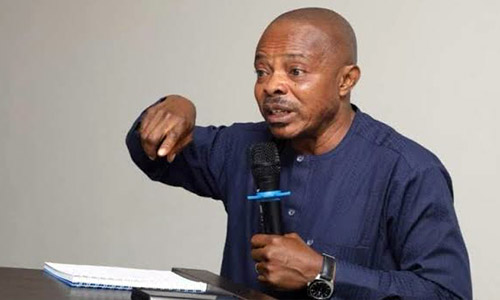
- NLC President Comrade Joe Ajaero issued this demand in an Independence Day message, citing the erosion of the current N70,000 wage by inflation.
- The union is pushing for a new wage law to be enacted before the end of the current year.
- The tripartite committee would involve representatives from government, employers, and labour unions.
- The NLC's warning highlights the urgency of addressing the diminished purchasing power of Nigerian workers.
NLC's Urgent Call for Wage Review
The union's stance underscores a critical concern regarding the financial well-being of Nigerian workers.
The Nigeria Labour Congress (NLC) has issued a firm call for the immediate establishment of a tripartite committee, tasked with negotiating a revised national minimum wage for the nation's workforce. This significant NLC Nigeria new minimum wage committee demand was articulated by NLC President, Comrade Joe Ajaero, in an Independence Day message delivered on a recent Wednesday. The union's stance underscores a critical concern regarding the financial well-being of Nigerian workers.
The NLC's primary motivation stems from the severe impact of inflation on the existing N70,000 minimum wage. According to the labour body, the purchasing power of this wage has been significantly diminished, rendering it insufficient to meet the basic needs of employees. This erosion of value necessitates an urgent review and adjustment to ensure that the national minimum wage provides a living standard commensurate with current economic realities.
Comrade Ajaero's message highlighted the urgency of the situation, signaling the NLC's determination to see concrete action taken. The demand for a new wage law before the close of the year indicates the union's expectation for a swift resolution to the ongoing economic challenges faced by workers across various sectors.
The Basis for the Demand
The current N70,000 minimum wage, while a significant figure when initially set, has been progressively undermined by persistent inflationary pressures within the Nigerian economy. This economic reality forms the bedrock of the NLC's insistence on a new negotiation, aiming to restore the real value of workers' earnings. The union argues that without a timely adjustment, the statutory minimum wage fails in its fundamental purpose of protecting low-income earners.
The proposed tripartite committee structure is a standard mechanism in labour relations, typically comprising representatives from government, employers, and labour unions. This collaborative approach is designed to ensure that any new national minimum wage Nigeria 2023 or beyond is arrived at through consensus, balancing the interests of all key stakeholders. The NLC's specific call for such a committee, led by figures like Joe Ajaero, emphasizes a structured and inclusive negotiation process.
This move by the NLC is not merely a request but a warning, indicating the potential for broader industrial action if the government does not respond promptly to the demand for a new wage negotiation. The union's Independence Day message served as a clear signal of its commitment to advocating for improved conditions for Nigerian workers.
Potential Regulatory Shifts
The NLC's insistence on a new wage law before the year's end carries significant implications for Nigerian labour law changes and employment compliance Nigeria wage regulations. Should the tripartite committee be constituted and successfully negotiate a new minimum wage, it would necessitate a legislative process to enact this into law. This would, in turn, require all employers across Nigeria to adjust their payroll structures and employment contracts to comply with the updated legal requirements.
Such a change would not only impact the direct wages of employees but could also influence other aspects of compensation and benefits tied to the minimum wage. Employers and their legal counsel will need to closely monitor these developments to ensure timely adherence to any new mandates. The NLC's proactive stance highlights the dynamic nature of labour relations in Nigeria and the continuous need for regulatory adaptation to economic conditions.
The demand for a new wage law before the year concludes underscores the NLC's strategic objective to secure tangible improvements for workers within a defined timeframe. This timeline places considerable pressure on the government to initiate the negotiation process promptly, setting the stage for potential shifts in the country's employment landscape.
Practical Implications
Employers and their legal counsel in Nigeria should closely monitor the NLC's demands for a new national minimum wage law, as its enactment would necessitate adjustments to payroll, employment contracts, and overall compliance with labour regulations, potentially impacting operational costs and legal obligations.
Source
How does this affect you?
Get an AI analysis of this article grounded in your jurisdictions, practice areas, and any policy documents you've uploaded to Wansom.
Finish Reading the Full Story and the Expert Analysis.
Get the latest legal & regulatory intelligence in Nigeria
Wansom is AI and can make mistakes.