
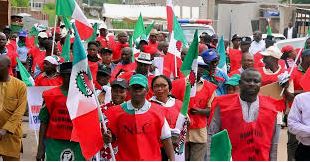
NLC: 14-Day Ultimatum on Nigeria Petrol Price, Wages
Summary
- The Nigeria Labour Congress (NLC) has issued a two-week ultimatum to the Federal Government.
- The NLC demands urgent measures to reduce petrol prices and commence national minimum wage renegotiation.
- Failure to meet these demands within 14 days could trigger further action by the labour movement.
- This ultimatum underscores significant pressure on the government regarding economic hardship and workers' welfare.
NLC Issues Ultimatum to Federal Government
The NLC's warning of 'further action' should its demands not be met within the 14-day period carries significant weight, hinting at the possibility of widespread industrial action across Nigeria.
The Nigeria Labour Congress (NLC) has recently delivered a firm two-week ultimatum to the Federal Government, demanding immediate action on critical economic issues. This significant move by the prominent labour organization underscores growing tensions over the cost of living and workers' welfare across the nation. The NLC's declaration signals a potential escalation of industrial action if its demands are not met within the stipulated timeframe, placing the government under considerable pressure.
The ultimatum, which spans 14 days, specifically targets two key areas: the escalating price of petrol and the stalled renegotiation of the national minimum wage. The NLC has made it clear that a failure to address these concerns promptly could lead to widespread disruption, as the labour movement is prepared to take further, unspecified actions. This development highlights the NLC's role as a crucial advocate for Nigerian workers and its capacity to mobilize significant industrial power.
Core Demands: Petrol Prices and Wages
At the heart of the Nigeria Labour Congress ultimatum are two fundamental demands aimed at alleviating economic hardship for citizens. Firstly, the NLC insists that the Federal Government implement urgent measures to reduce the prevailing price of petrol. This demand reflects public outcry over the increased cost of transportation and goods, which has been a direct consequence of recent economic policies, including the petrol subsidy removal NLC demands have often addressed.
Secondly, the labour body is calling for the immediate commencement of renegotiation for the national minimum wage. This demand emphasizes the need for a living wage that reflects current economic realities and inflation, ensuring that Nigerian workers can maintain a decent standard of living. The NLC's stance suggests that the current minimum wage is no longer adequate, necessitating a comprehensive review and adjustment to address the financial strain faced by many households.
Potential for Industrial Action
The NLC's warning of 'further action' should its demands not be met within the 14-day period carries significant weight, hinting at the possibility of widespread industrial action across Nigeria. Such a move by the labour movement industrial action Nigeria has seen in the past could cripple economic activities, disrupt essential services, and create considerable social unrest. The Nigeria Labour Congress ultimatum is therefore not merely a request but a clear signal of intent to mobilize its members if negotiations fail to yield satisfactory outcomes.
This potential for a national strike or other forms of protest underscores the critical juncture at which the Federal Government finds itself. Responding effectively to the NLC's demands, particularly regarding FG petrol price renegotiation and the national minimum wage NLC Nigeria has long championed, will be crucial in averting a major confrontation. The government's handling of this ultimatum will significantly impact labour relations and the broader socio-economic stability of the country.
Why This Matters
The NLC's 14-day ultimatum Nigeria petrol wages issues are at the forefront of national discourse, representing a critical test for the Federal Government's commitment to addressing the economic challenges faced by its citizens. The outcome of this standoff will have far-reaching implications, influencing not only the immediate prices of essential commodities and workers' take-home pay but also the long-term relationship between organized labour and the government.
This development is pivotal for understanding the dynamics of social and economic policy in Nigeria. The NLC's readiness to take decisive action highlights the power of collective bargaining and the importance of a responsive government in maintaining industrial harmony and public trust. The next two weeks will be crucial in determining whether a resolution can be found or if the nation will face significant disruptions due to unresolved labour disputes.
Practical Implications
Lawyers and compliance officers in Nigeria should advise clients on potential business disruptions and labour relations risks stemming from the NLC's ultimatum. Monitoring the Federal Government's response and preparing for possible industrial action or changes to minimum wage regulations will be crucial for operational continuity and compliance.
Source
How does this affect you?
Get an AI analysis of this article grounded in your jurisdictions, practice areas, and any policy documents you've uploaded to Wansom.
Finish Reading the Full Story and the Expert Analysis.
Get the latest legal & regulatory intelligence in Nigeria
Wansom is AI and can make mistakes.