
Ninth Circuit: No Environmental Review Required for California Water Contract Conversions
What Happened
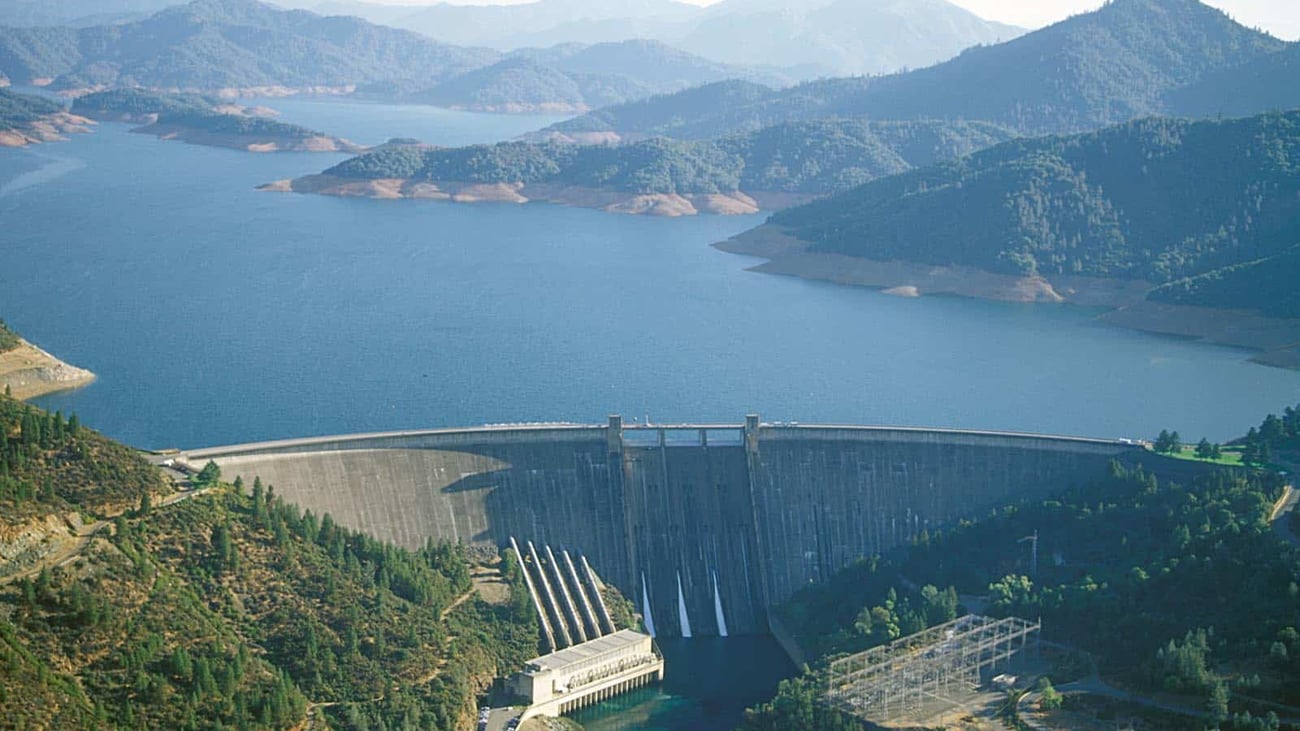
A lower court previously ruled conversion of contracts between water users and the Bureau of Reclamation did not have to undergo environmental review. Shasta Dam, in northern California, is considered "The Keystone to the Central Valley Project." Primarily a rain-fed reservoir, Shasta Lake is 90% rainfall and 10% snow melt. The areas average rainfall is 62 inches a year. The rain season usually runs from early November through May. (Bureau of Reclamation via Courthouse News) SAN FRANCISCO (CN) — A Ninth Circuit panel granted a win to the U.S. Bureau of Reclamation Monday, confirming a lower court’s finding the conversion of water service contracts from the California Central Valley Project doesn’t require a new environmental review. A three-judge panel unanimously held the Water Infrastructure Improvements for the Nation Act required the bureau to change a contract if requested by a water user, and does not necessitate the agency undertake environmental review under the National Environmental Policy Act or Endangered Species Act before converting each water service contract. “Reclamation was not required to conduct contract-specific environmental review or initiate consultation before converting those contracts because § 4011(a) creates a mandatory duty to convert water service contracts upon request and prohibits Reclamation from considering the environmental effects of the contract conversion or exercising discretion to benefit protected species when converting contracts,” U.S. Circuit Judge Gabriel Sanchez, a Joe Biden appointee, wrote for the court. The panel focused on two subsections of the water infrastructure act, the first directing the bureau to convert contracts upon request, and the second placing conditions on converted contracts. Sanchez wrote that, read together, the sections require the bureau to convert water service contracts upon request and bar the bureau from altering the terms of the contracts except with respect to payment. “Because Reclamation lacks discretion to alleviate environmental harms as part of WIIN Act conversion, NEPA and the ESA do not require that Reclamation undertake contract-specific environmental review and consultation with the services in the course of WIIN Act conversions,” the judge said. Sanchez noted the ruling is limited and does not advocate that water deliveries under the converted contracts are no longer subject to environmental review. The panel was rounded out by U.S. Circuit Judges Kim Wardlaw, a Bill Clinton appointee, and Daniel Bress, a Donald Trump appointee. In a statement to Courthouse News, John Buse of the Center for Biological Diversity, representing the plaintiffs, called the ruling “unfortunate.” “The court is merely playing a semantics game by not calling the permanent conversions of federal water contracts ‘renewals,’” he said. “At the end of the day, locking in water deliveries to Big Ag has a huge environmental cost. We need to consider how that will change the Delta and the imperiled fish who need freshwater flows to survive.” Representatives for the defendants did not immediately respond to a request for comment. The WIIN Act was signed into law by President Barack Obama in 2016 to, among other things, help address the historic drought in California at the time. The statute allowed water service contractors to convert their contracts into repayment contracts, prepaying on a contract for a set amount of time for an agreed-upon amount of water. By converting contracts with prepayment for construction costs, the law would finance several water projects to promote storage and supply, flood control, desalination and water recycling to make the state better able to cope with droughts. Between 2020 and 2021, the bureau converted 67 water service contracts into repayment contracts, with another 16 contracts proposed for conversion, Sanchez noted in his ruling. The Center for Biological Diversity and others sued in 2020, arguing t
Practical Implications
Lawyers advising clients on water service contracts in California should be aware that the Ninth Circuit's ruling may limit their ability to challenge contract conversions, and should review the WIIN Act requirements for converting contracts to ensure compliance with environmental regulations.
Source
How does this affect you?
Get an AI analysis of this article grounded in your jurisdictions, practice areas, and any policy documents you've uploaded to Wansom.
Wansom is AI and can make mistakes.