
Ninth Circuit Lifts Border Patrol Injunction California: DHS Can Resume Stops
Summary
- The Ninth Circuit Court of Appeals lifted a preliminary injunction that had restricted U.S. Border Patrol immigration stops in California.
- The injunction, originally sought by the United Farm Workers of America, aimed to prevent detentions without reasonable suspicion or based on racial profiling.
- The appeals court ruled that the union failed to demonstrate sufficient standing for prospective injunctive relief, requiring proof of impending future injury beyond past harm.
- The case has been sent back to the district court to specifically address the issue of standing for the United Farm Workers.
- The ruling does not dismiss the underlying claims of Fourth Amendment violations by Border Patrol during "Operation Return to Sender."
Ninth Circuit Lifts Enforcement Restrictions
The appellate judges clarified that while allegations of past harm might support a claim for damages, they are insufficient on their own to establish standing for an injunction designed to prevent future actions.
A federal appeals court has overturned a preliminary injunction that had temporarily restricted U.S. Border Patrol agents from conducting immigration stops in California without reasonable suspicion. The Ninth Circuit Court of Appeals issued its decision on Monday, effectively allowing the Department of Homeland Security (DHS) to resume certain enforcement operations that had been challenged by the United Farm Workers of America (UFW). The injunction, originally imposed by U.S. District Judge Jennifer Thurston in April 2025, aimed to prevent detentions based on racial profiling rather than legitimate suspicion of immigration law violations.
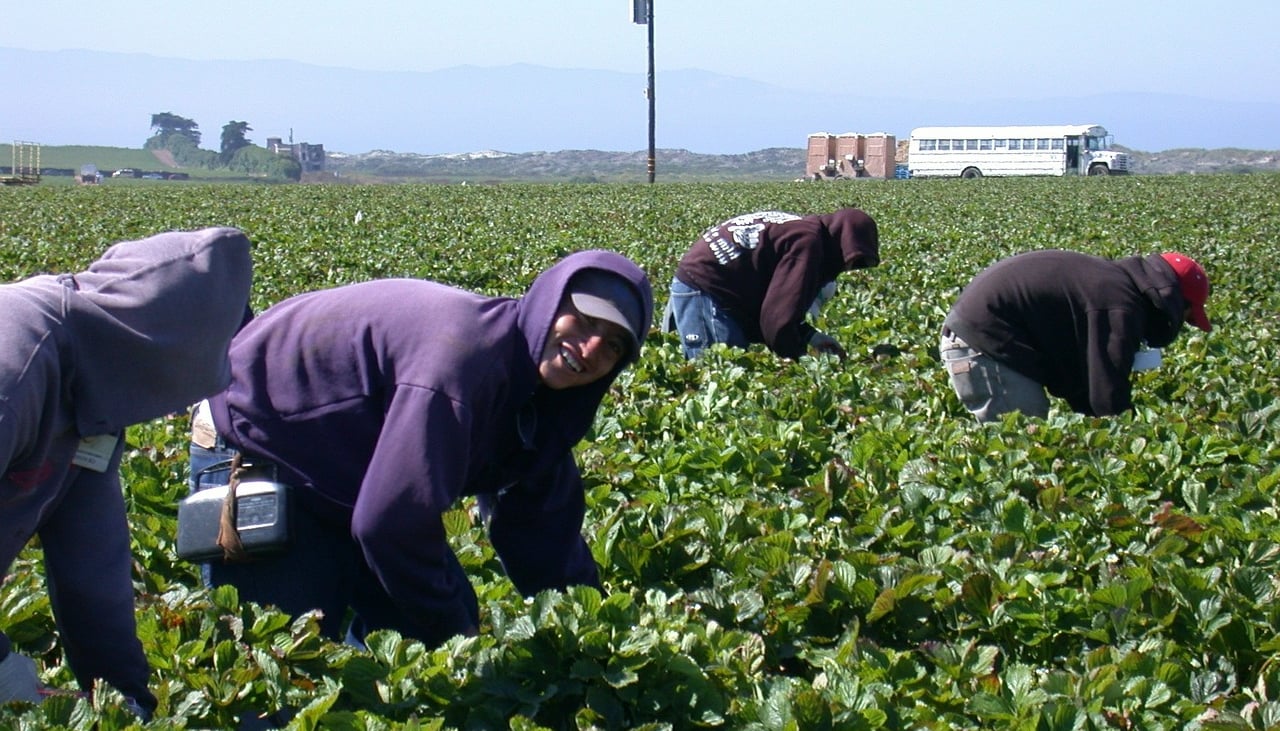
The UFW's class action lawsuit specifically targeted Border Patrol sweeps in California's Central Valley, alleging that agents engaged in widespread detentions and arrests of farm workers in violation of their Fourth Amendment rights. The union's complaint detailed an operation dubbed "Operation Return to Sender," which they characterized as an unlawful dragnet. This operation, which occurred between January 7-9 last year, just prior to a second presidential term for Donald Trump, reportedly swept up nearly 200 agricultural workers in Kern County and surrounding areas. The Ninth Circuit's decision to lift the Border Patrol injunction in California means DHS immigration stops in California can continue without the previous judicial restraint.
Legal Rationale on Standing
The three-judge panel of the Ninth Circuit, comprising Senior U.S. Circuit Judge Mary Schroeder, U.S. Circuit Judge Morgan Christen, and U.S. Circuit Judge Danielle Forrest, sided with the federal government's argument that the UFW lacked proper standing to pursue prospective injunctive relief. In their four-page ruling, the appellate judges clarified that while allegations of past harm might support a claim for damages, they are insufficient on their own to establish standing for an injunction designed to prevent future actions. The panel emphasized that for such relief, plaintiffs must demonstrate an impending future injury.
Despite the UFW's assertions during oral arguments that the Department of Homeland Security's routine violations of its clients' Fourth Amendment rights constituted evidence of future harm, the Ninth Circuit found these claims lacked sufficient traction. The court's decision remands the case back to the district court with the specific instruction to address the issue of standing. This ruling underscores the high legal bar required for organizations like the United Farm Workers to secure preliminary injunctions against federal immigration enforcement actions, particularly when seeking to halt DHS immigration stops in California, highlighting the complexities of preliminary injunction standing in the Ninth Circuit.
Background of the Enforcement Dispute
The legal challenge brought by the United Farm Workers stemmed from a significant immigration enforcement operation that took place in areas heavily populated by agricultural workers. The union described "Operation Return to Sender" as a "fishing expedition" designed to induce voluntary deportations to Mexico, rather than a legitimate enforcement action based on reasonable suspicion. They alleged that Border Patrol agents disregarded established legal standards, relying instead on racial profiling during the sweep.
During this operation, the UFW claims that agents arrested and transported individuals to a station in El Centro, California, without establishing probable cause that they posed a flight risk. Among the nearly 200 individuals caught in the sweep, approximately 40 were ultimately sent back to Mexico, many of whom had resided in the United States for numerous years. This context highlights the ongoing concerns regarding agricultural workers' immigration rights and the methods employed by Border Patrol in California, where an estimated 900,000 agricultural workers, predominantly Latino, are employed annually, making the Operation Return to Sender ruling particularly impactful for this community.
Implications and Future Proceedings
While the Ninth Circuit's decision lifts the preliminary injunction, it is crucial to note that it does not dismiss the underlying claims made by the United Farm Workers. The case will now return to the district court for further proceedings focused on establishing the UFW's standing for injunctive relief. The appellate panel explicitly stated that if new allegations of harm emerge during this remand period, the district court retains the authority to consider additional requests for relief.
This ruling has immediate implications for immigration enforcement in California, as Border Patrol operations are no longer subject to the specific restrictions of the lifted injunction. For agricultural workers and their advocates, this means continued vigilance is required regarding Fourth Amendment protections during immigration enforcement actions. The outcome reinforces the principle that demonstrating a concrete and impending future injury is paramount for securing prospective injunctive relief, even when significant past harms are alleged.
Practical Implications
Lawyers advising agricultural workers or businesses in California should note that the Ninth Circuit has removed an immediate barrier to Border Patrol's immigration enforcement operations, emphasizing the high bar for demonstrating standing for prospective injunctive relief. This means clients may face continued enforcement actions without the protection of a preliminary injunction, requiring vigilance regarding Fourth Amendment rights and the need to document ongoing harm for future legal challenges.
Source
How does this affect you?
Get an AI analysis of this article grounded in your jurisdictions, practice areas, and any policy documents you've uploaded to Wansom.
Wansom is AI and can make mistakes.