
Ninth Circuit: Koi Nation Land-Into-Trust Dispute Remand Sought
Summary
- The Ninth Circuit is reviewing a dispute over the Department of the Interior placing 69 acres in Sonoma County into trust for the Koi Nation of Northern California for a casino.
- The Federated Indians of Graton Rancheria are suing, arguing the 2025 land-into-trust approval was made in error by an official lacking legal authority, a finding previously made by U.S. District Judge Rita Lin.
- Graton Rancheria seeks to remand the case for re-approval by a high-ranking official, citing concerns about judicial review and tribal sovereign immunity.
- The Koi Nation argues Graton Rancheria had prior opportunities to object and that their lawsuit threatens the Koi Nation's legal entitlements and sovereignty over the land.
- The case highlights the complex legal challenges and inter-tribal conflicts surrounding federal tribal land acquisition processes and the scope of judicial oversight.
Ninth Circuit Considers Tribal Land Dispute
The central legal question revolves around the authority of federal officials to approve tribal land acquisitions and the extent to which such decisions are subject to judicial oversight, particularly when challenged by other tribal entities.
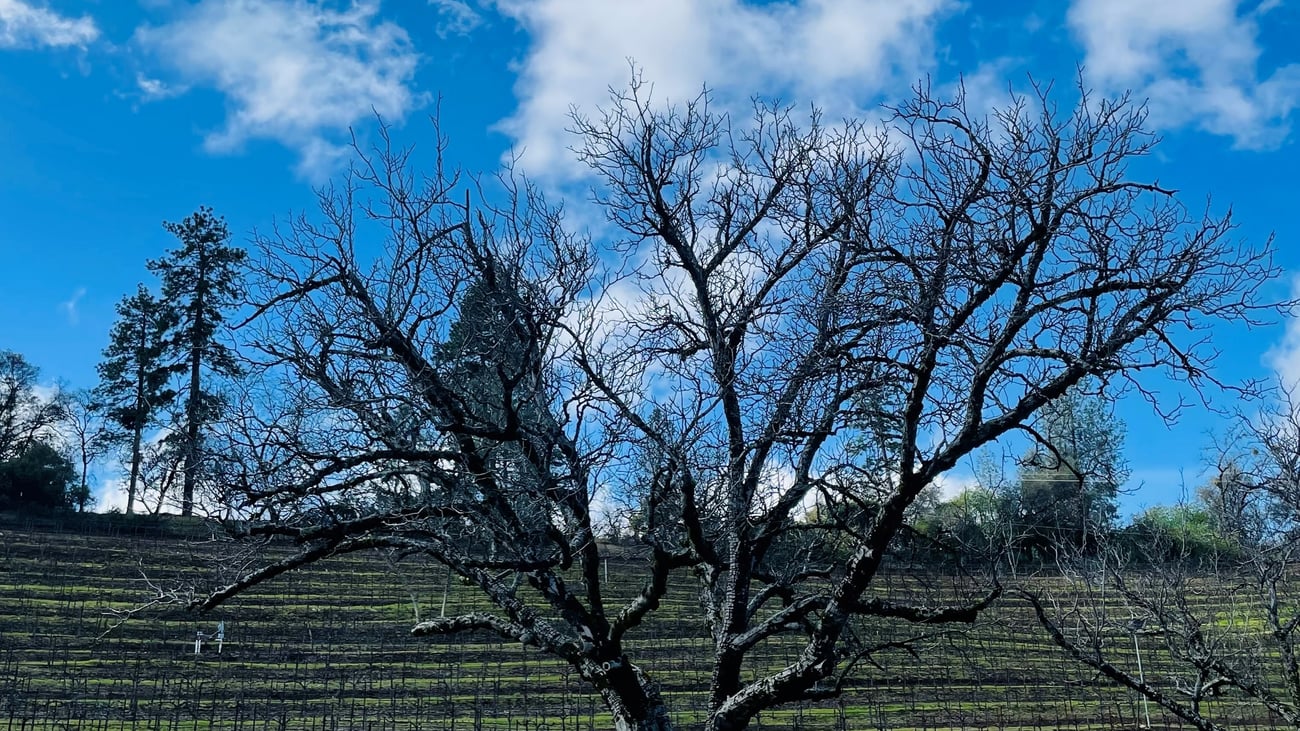
A significant legal challenge involving the Department of the Interior's tribal land acquisition process is currently under review by the Ninth Circuit, stemming from a dispute between two Native American tribes in California. The case centers on the Department of the Interior's decision in January 2025 to place a 69-acre parcel, known as the “Shiloh site,” in Sonoma County wine country into trust for the Koi Nation of Northern California. The Koi Nation intends to develop a sprawling casino complex on this land, seeking federal trust status to pursue development free from California county and municipal regulations.
However, the Federated Indians of Graton Rancheria have vigorously contested this transaction, asserting it was made in error. Their lawsuit against the Department of the Interior was argued before a Ninth Circuit panel, with Graton Rancheria seeking to keep their legal challenge alive. The core of their argument is that the land-into-trust approval process was flawed and requires re-evaluation by a higher-ranking official within the Department of the Interior.
This Ninth Circuit Koi Nation land-into-trust dispute highlights the complexities surrounding tribal land development and the federal government's role in facilitating such acquisitions. The Shiloh site, which the Koi Nation initially purchased under private ownership from a winery in 2021, is currently out of trust. This status resulted from a ruling by U.S. District Judge Rita Lin, who determined that the 2025 land-into-trust approval was signed by an official who lacked the requisite legal authority to approve such trust acquisitions.
Legal Arguments and Authority Challenges
During the Ninth Circuit proceedings, Neal Katyal, representing the Federated Indians of Graton Rancheria, argued that the case should be remanded to the Department of the Interior for a complete re-evaluation of the land-into-trust approval, insisting that a high-ranking official must ultimately sign off. Katyal contended that allowing the Koi Nation's view to prevail would effectively eliminate judicial review for significant federal agency decisions impacting tribes, including those that might diminish the rights of other tribal entities. He referenced tribal sovereign immunity, emphasizing that the Koi Nation's rights are not extinguished simply because casino construction or gaming operations have not yet commenced, as they still retain ownership of the land.
Conversely, the Department of the Interior, represented by Department of Justice attorney Daniel Halainen, defended its actions, asserting that approving trust status is a crucial agency function it is obligated to perform. Halainen urged the court to avoid expanding the scope of judicial review to the point where every tribal trust land acquisition decision could be unilaterally vetoed by an absent tribe or tribal entity. The initial ruling by Judge Lin, a Joe Biden appointee, allowed the Koi Nation to intervene in the case in July 2025 but did not dismiss the lawsuit outright, setting the stage for the current appellate review.
Hagan Scotten, attorney for the Koi Nation, argued against the case proceeding under a public rights exception, which typically shields suits seeking to vindicate public rights in areas like historic preservation or environmental protection. Scotten cited precedent from the Supreme Court and the Ninth Circuit, stating that this exception cannot apply when a case threatens to destroy the legal entitlements of an absent party. He maintained that a tribe’s sovereignty over land and its tribal jurisdiction constitute such a legal entitlement, which Graton Rancheria was attempting to undermine.
Inter-Tribal Dynamics and Procedural History
The legal battle also brought to light the procedural history and inter-tribal dynamics surrounding the Shiloh site casino development challenge. Scotten further contended that the Federated Indians of Graton Rancheria had ample opportunity to object to the Department of the Interior's decision before the lands were taken into trust for the Koi Nation. He pointed out that Graton Rancheria had previously been denied a preliminary injunction because they failed to demonstrate an immediate threat of irreparable harm if the land acquisition proceeded.
U.S. District Judge Roslyn Silver, a Bill Clinton appointee sitting by designation on the Ninth Circuit panel, questioned Scotten on this point, asking if it was his position that Graton Rancheria had the right to raise these issues previously and had lost that opportunity. Scotten affirmed this, stating, “That is exactly right.” The Ninth Circuit panel overseeing the arguments also included U.S. Circuit Judges Jay Bybee, a George W. Bush appointee, and Daniel Bress, a Donald Trump appointee.
This litigation underscores the significant legal risks and complexities inherent in federal land-into-trust decisions for Native American tribes, particularly when other tribal entities challenge the authority of approving officials. The outcome of this Federated Indians Graton Rancheria lawsuit will have notable implications for future Department of Interior tribal land acquisition processes and the scope of judicial review tribal trust land decisions face, impacting Native American land rights in California.
Practical Implications
This case highlights the significant legal risks and complexities surrounding federal land-into-trust decisions for Native American tribes, particularly concerning the authority of approving officials and potential challenges from other tribal entities. Lawyers advising on tribal land development or compliance officers involved in projects near tribal lands should be aware of the heightened scrutiny on the approval process and the potential for protracted inter-tribal litigation, which can impact project timelines and legal certainty.
Source
How does this affect you?
Get an AI analysis of this article grounded in your jurisdictions, practice areas, and any policy documents you've uploaded to Wansom.
Finish Reading the Full Story and the Expert Analysis.
Wansom is AI and can make mistakes.