
Ninth Circuit: Copyright Intrinsic Test Debate Prompts En Banc Review
Summary
- The Ninth Circuit is currently reviewing its "intrinsic test" for determining substantial similarity in copyright infringement cases during an en banc hearing.
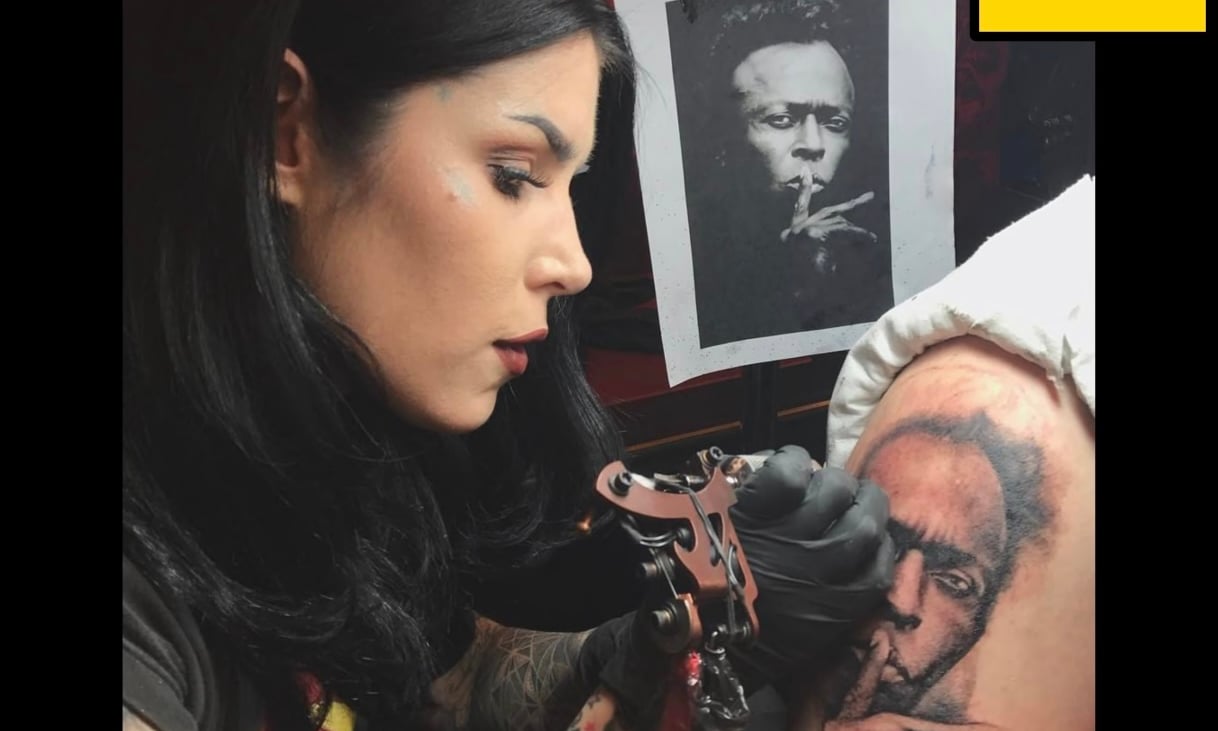
- This debate stems from a 2024 jury verdict that cleared celebrity tattoo artist Kat Von D of infringing a photograph of Miles Davis.
- The intrinsic test, which assesses the "total concept and feel" of works, is being challenged as outdated by some judges and the plaintiff's attorney, Bill Patry.
- Arguments for abandoning the test propose a new objective standard focusing solely on protectable elements of a work.
- Defense counsel for Kat Von D argues the intrinsic test is consistent with Supreme Court law and that any change would not affect the existing jury verdict in her favor.
The Core Controversy
This ongoing Ninth Circuit copyright substantial similarity debate highlights the significant implications for intellectual property lawyers and creative professionals, as a potential overhaul of the intrinsic test could fundamentally alter how copyright infringement is litigated and assessed in the circuit.
The Ninth Circuit Court of Appeals is currently engaged in a significant debate regarding its long-standing methodology for determining copyright infringement, specifically the "intrinsic test" for substantial similarity. This critical discussion unfolded during an en banc hearing in San Francisco, involving an 11-judge panel. The review was prompted by a 2024 jury verdict that exonerated celebrity tattoo artist Kat Von D from allegations of illegally copying a photograph of jazz legend Miles Davis. The lawsuit centered on a tattoo Von D created, depicting Miles Davis with a "shush" gesture, which photographer Jeff Sedlik claimed infringed upon his original work.
Central to the Ninth Circuit's current framework for copyright infringement claims is the requirement that a plaintiff establish substantial similarity under two distinct criteria: an objective "extrinsic test" and a subjective "intrinsic test." The latter, which is the focus of the current judicial scrutiny, asks a jury to assess the "total concept and feel" between two works to determine if infringement has occurred. This subjective evaluation stands in contrast to the extrinsic test, which objectively analyzes similarities between protectable elements of the works. The jury in the Kat Von D case found that her tattoo was not substantially similar to Sedlik's photograph under this subjective standard.
Calls for Overhaul
The necessity of retaining the intrinsic test has been increasingly questioned, particularly in light of recent judicial opinions. In a January decision, which has since been vacated by the en banc panel, U.S. Circuit Judges Kim McLane Wardlaw and Anthony Johnstone authored concurring opinions arguing that the Ninth Circuit's established extrinsic-intrinsic analysis for copyright disputes has become outdated and distorts copyright law. This sentiment was echoed by Bill Patry, attorney for Jeff Sedlik, who urged the court to abandon the intrinsic test entirely.
Patry proposed replacing the current dual-test system with a simpler, objective standard that would exclusively examine elements of a work protectable under copyright law. He articulated that such an objective approach would effectively exclude non-protectable elements, such as general concepts and feelings, while still safeguarding an author's creativity and individualized expression within a specific genre. However, U.S. Circuit Judge Morgan Christen expressed difficulty in fully grasping the specifics of Patry's proposed new test, noting that it was not merely a suggestion to eliminate the intrinsic test and retain the existing extrinsic one. Patry clarified that his vision involved a jury conducting an objective, side-by-side comparison of only those elements that a trial judge had identified as legally protectable.
Defense of the Status Quo
Conversely, Allen Grodsky, representing Kat Von D (Katherine Von Drachenberg), argued against the abandonment of the intrinsic test. Grodsky contended that the test remains consistent with U.S. Supreme Court precedent and therefore should not be discarded. This position was met with skepticism from U.S. Circuit Judge Ryan Nelson, who questioned why the Ninth Circuit should maintain a test that has largely been abandoned by nearly every other circuit in the country.
Despite the ongoing debate, Grodsky maintained that even if the court were to decide to modify or completely discard the intrinsic test, such a decision would not impact the jury verdict that favored his client. This assertion suggests that, from the defense's perspective, the outcome of the Kat Von D Miles Davis tattoo copyright case would remain unchanged regardless of the Ninth Circuit's ultimate decision on its substantial similarity framework.
Broader Legal Ramifications
The procedural complexities of the Jeff Sedlik copyright infringement case extend beyond the intrinsic test debate. Even if the appellate court were to vacate the jury's finding on subjective similarity, it would not automatically result in a victory for the photographer. This is because the jury never had the opportunity to rule on whether Von D's tattoo constituted fair use of Sedlik's photograph. Patry asserted that his client was entitled to judgment as a matter of law on the fair use question, arguing that the tattoo did not qualify as a "transformative" expression. However, U.S. Circuit Judge Daniel Collins pointed out that, at best, Sedlik would likely only be granted a new trial on the fair use issue, as he had procedurally defaulted on that specific claim.
This ongoing Ninth Circuit copyright substantial similarity debate highlights the significant implications for intellectual property lawyers and creative professionals, as a potential overhaul of the intrinsic test could fundamentally alter how copyright infringement is litigated and assessed in the circuit.
Practical Implications
Intellectual property lawyers practicing in the Ninth Circuit should closely monitor this en banc review. A potential overhaul or abandonment of the 'intrinsic test' for substantial similarity could significantly alter the standards for proving or defending copyright infringement claims, impacting litigation strategy and risk assessment for clients involved in creative works.
Source
How does this affect you?
Get an AI analysis of this article grounded in your jurisdictions, practice areas, and any policy documents you've uploaded to Wansom.
Finish Reading the Full Story and the Expert Analysis.
Get the latest legal & regulatory intelligence in United States
Wansom is AI and can make mistakes.