
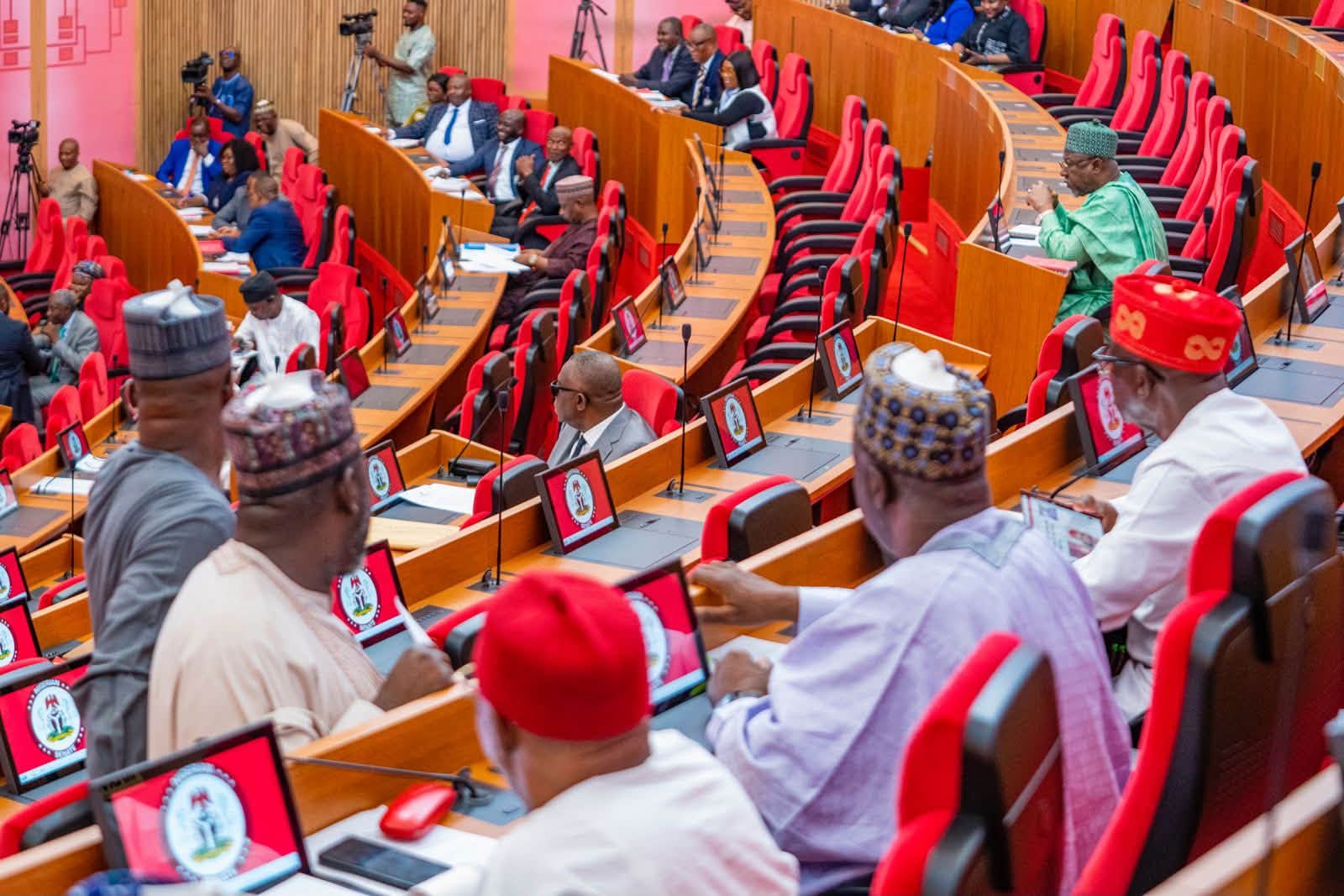
Nigeria Senate: INEC Must Disqualify Violent Candidates
Summary
- The Nigerian Senate condemned an attack on President Bola Tinubu's convoy.
- The upper chamber directed the Independent National Electoral Commission (INEC) to implement relevant Electoral Act, 2026 provisions.
- This directive aims to prevent further political violence ahead of the 2027 elections.
- The Senate specifically requested INEC to disqualify candidates linked to violent activities.
- This move signals a stricter approach to enforcing electoral conduct rules against political thuggery.
What Happened
Lawyers advising political parties or candidates in Nigeria should be acutely aware of this development, as it signals increased enforcement of Electoral Act, 2026 provisions against political violence, potentially leading to candidate disqualification.
The Nigerian Senate, acting as the nation's upper legislative chamber, recently issued a strong condemnation regarding an assault on the convoy of President Bola Tinubu. This incident has prompted a significant directive from the Senate to the Independent National Electoral Commission (INEC), signaling a heightened focus on maintaining order in the lead-up to the 2027 general elections. The legislative body explicitly called upon INEC to take decisive action against individuals or groups implicated in political unrest.
In response to the violence, the Senate specifically instructed INEC to leverage the pertinent sections of the Electoral Act, 2026. This mandate aims to proactively deter future occurrences of political violence, ensuring a more peaceful electoral landscape. A key component of this directive is the request for INEC to disqualify candidates who are found to have connections to such violent activities, reinforcing the commitment to curb political thuggery in Nigeria's elections. This move underscores the legislature's concern over the integrity and safety of the electoral process.
Legal and Regulatory Context
The directive from the Nigerian Senate to INEC highlights the existing legal framework designed to address political violence within the country's electoral system. The Electoral Act, 2026 contains various provisions intended to regulate the conduct of political actors and ensure peaceful campaigns and elections. The Senate's recent resolution serves as a powerful reminder to INEC to fully exercise its powers in enforcing these regulations, particularly concerning candidate eligibility.
This legislative push underscores the Independent National Electoral Commission's inherent authority to uphold the integrity of the electoral process. While INEC already possesses powers related to candidate disqualification under specific circumstances, the Senate's explicit request to disqualify candidates linked to violence provides a clear legislative impetus for more stringent application of these rules. This emphasis on the Electoral Act, 2026 political violence provisions suggests a potential shift towards a less tolerant stance on electoral misconduct, aiming to deter future incidents ahead of the 2027 election cycle.
Why It Matters
The Senate's directive for INEC to disqualify violent candidates carries substantial implications for the future of Nigerian politics and the conduct of upcoming elections. For political parties and their aspirants, this represents a critical warning that involvement in or association with political violence could lead to severe consequences, including exclusion from the ballot. Lawyers advising political parties or candidates in Nigeria should be acutely aware of this development, as it signals increased enforcement of Electoral Act, 2026 provisions against political violence, potentially leading to candidate disqualification.
This renewed focus on curbing political thuggery in Nigeria's elections necessitates stricter compliance with electoral conduct rules to mitigate disqualification risks. The explicit call for the Nigeria Senate INEC to disqualify violent candidates could reshape campaign strategies, compelling parties to actively distance themselves from any form of electoral unrest. This proactive stance by the upper chamber aims to foster a more civil and secure environment for democratic participation, ensuring that the 2027 election is conducted with greater adherence to the rule of law and reduced instances of intimidation or physical harm. The message is clear: political violence will not be tolerated, and those who engage in it, or are linked to it, risk their electoral ambitions.
Practical Implications
Lawyers advising political parties or candidates in Nigeria should be aware of the Senate's directive to INEC, signaling increased enforcement of Electoral Act provisions against political violence, potentially leading to candidate disqualification. This necessitates stricter compliance with electoral conduct rules to mitigate disqualification risks.
Source
How does this affect you?
Get an AI analysis of this article grounded in your jurisdictions, practice areas, and any policy documents you've uploaded to Wansom.
Finish Reading the Full Story and the Expert Analysis.
Get the latest legal & regulatory intelligence in Nigeria
Wansom is AI and can make mistakes.