
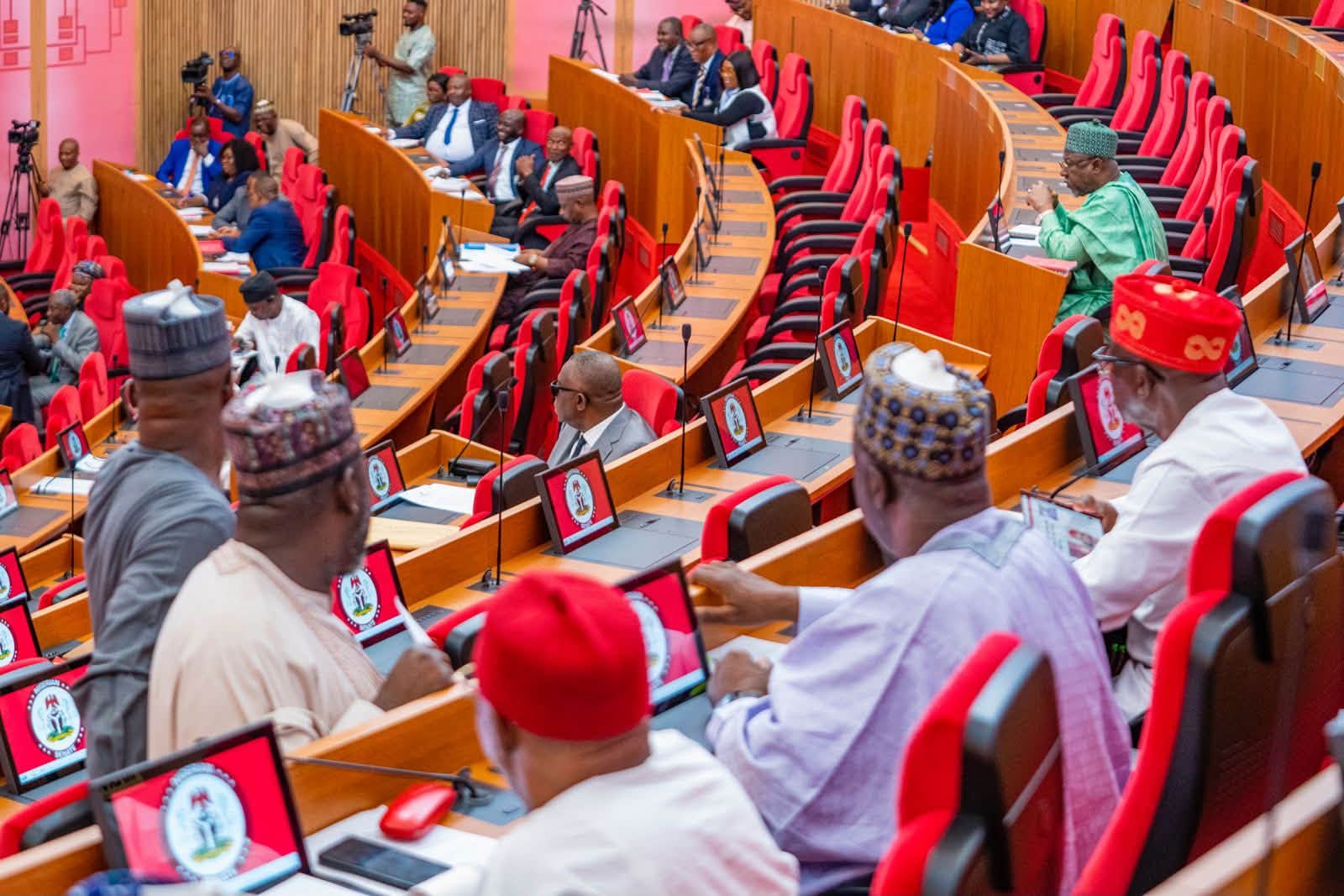
Nigerian Senate: Passes Unity Colleges Funding Bill
Summary
- The Nigerian Senate has passed a bill aimed at enhancing funding for specific educational institutions.
- This legislation targets public senior secondary schools, including unity colleges and those managed by the armed forces.
- The bill proposes direct government intervention to address critical infrastructure and learning resource deficiencies.
- Its scope extends across all 36 Nigerian states and the Federal Capital Territory.
Legislative Action for Education
For legal professionals advising educational institutions or government agencies in Nigeria, monitoring the progress of this Nigerian Senate unity colleges funding bill through the legislative process is paramount.
The Nigerian Senate has successfully passed a significant piece of legislation, a bill specifically designed to augment financial support for a critical segment of the nation's educational system. This legislative initiative, which can be referred to as the Nigerian Senate unity colleges funding bill, is poised to channel increased resources towards both unity colleges and schools operated by the armed forces. The passage of this bill marks a pivotal step in the government's commitment to enhancing educational standards.
This newly passed bill outlines a clear objective: to provide a direct form of government intervention aimed at resolving long-standing issues within public senior secondary schools. The focus is squarely on rectifying infrastructure deficits and alleviating the severe shortages of essential learning resources that currently plague these institutions. The legislative body's action underscores a recognition of the urgent need for systemic improvements in the educational sector.
The scope of this proposed funding mechanism is comprehensive, intended to benefit public senior secondary schools situated across all 36 states of Nigeria, as well as those located within the Federal Capital Territory (FCT). This broad geographical reach ensures that the impact of the bill, once enacted, will be felt nationwide, addressing educational disparities across diverse regions.
Strategic Intervention in Education
Central to the new legislation is the principle of direct government intervention education Nigeria, a strategic approach to bypass potential bureaucratic hurdles and ensure funds reach their intended beneficiaries efficiently. This method is specifically designed to tackle the identified challenges head-on, providing a more immediate and impactful solution compared to indirect funding channels. The emphasis on direct support highlights a proactive stance by the government in addressing educational shortcomings.
The bill specifically targets unity colleges, which are federal government-owned secondary schools established to promote national unity, and schools under the purview of the Nigeria armed forces schools funding framework. These institutions play a crucial role in the national education landscape, often serving as benchmarks for quality and discipline. Ensuring their adequate funding and resource provision is seen as vital for maintaining high educational standards and fostering future leaders.
By focusing on these specific categories of public senior secondary schools, the legislation aims to create a ripple effect, improving conditions not just for the direct beneficiaries but also potentially setting new standards for other educational institutions. The comprehensive nature of this Nigerian education infrastructure bill underscores a commitment to foundational improvements rather than superficial fixes, addressing the core physical and material needs of schools.
Addressing Critical Resource Gaps
The impetus behind the Nigerian Senate unity colleges funding bill stems from a pressing need to overcome significant infrastructure deficits and critical shortages of learning resources. Many public senior secondary schools across the country contend with dilapidated buildings, inadequate classroom facilities, and a lack of modern educational tools, all of which impede effective teaching and learning. This bill directly confronts these systemic issues.
These deficiencies in infrastructure and learning materials have a profound impact on the quality of education delivered to students. Without proper facilities and access to essential resources like textbooks, laboratory equipment, and digital learning aids, students' academic performance and overall educational experience are severely compromised. The legislation seeks to reverse this trend by injecting much-needed capital into these areas.
The proposed direct government intervention is therefore a targeted response to these identified gaps, aiming to equip public senior secondary schools with the necessary physical and material foundations for a conducive learning environment. This initiative is expected to facilitate better educational outcomes by ensuring that students and teachers have access to the tools and spaces required for quality instruction and academic growth.
Implications for Educational Stakeholders
The passage of this bill by the Senate signals a forthcoming shift in the funding landscape for public senior secondary schools, particularly unity colleges and armed forces schools. Once enacted, this legislation will introduce new mechanisms for financial support, necessitating a thorough understanding of its provisions by all relevant stakeholders. Educational institutions will need to prepare for new application procedures and eligibility criteria to access these funds.
For legal professionals advising educational institutions or government agencies in Nigeria, monitoring the progress of this Nigerian Senate unity colleges funding bill through the legislative process is paramount. The eventual enactment of this law will create a new regulatory environment, requiring legal counsel to guide clients through compliance requirements and assist in navigating the application processes for direct government intervention. This proactive legal engagement will be crucial for schools seeking to benefit from the enhanced funding.
The implementation of this bill promises to reshape the operational and financial frameworks of the affected schools, offering a renewed opportunity for development and improvement. Lawyers will play a vital role in ensuring that educational bodies can effectively leverage these new funding streams, thereby contributing to the overall enhancement of public senior secondary schools funding Nigeria. The successful execution of this legislation will depend significantly on clear guidance and adherence to its stipulated guidelines.
Practical Implications
Lawyers advising educational institutions or government agencies in Nigeria should monitor the progress of this bill through the legislative process. Once enacted, it will introduce new funding mechanisms and potentially new compliance requirements for public senior secondary schools, including unity colleges and armed forces schools, which will necessitate advising clients on eligibility and application procedures.
Source
How does this affect you?
Get an AI analysis of this article grounded in your jurisdictions, practice areas, and any policy documents you've uploaded to Wansom.
Finish Reading the Full Story and the Expert Analysis.
Get the latest legal & regulatory intelligence in Nigeria
Wansom is AI and can make mistakes.