
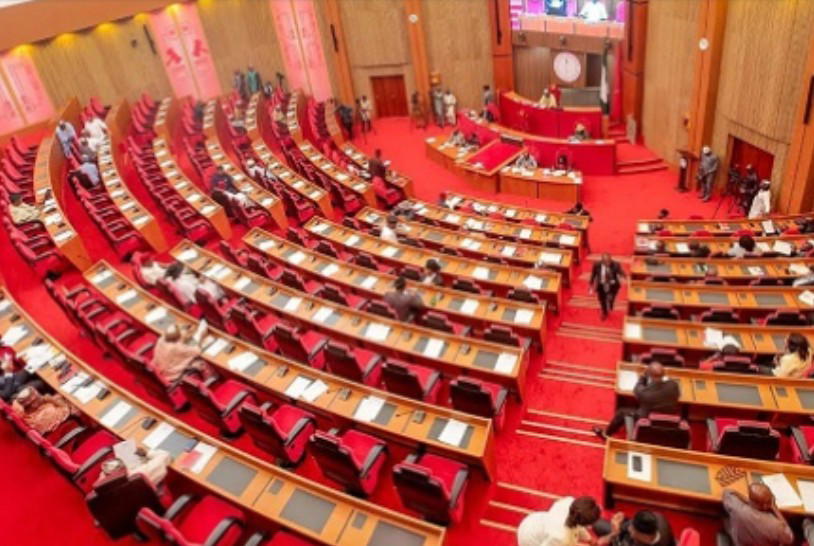
Nigerian Senate Halts Processing of Bills for New Universities
Summary
- The Senate has directed its committees to suspend processing bills for new universities and tertiary institutions.
- This directive aligns with an existing policy from the Federal Government.
- The Committees on Tertiary Institutions and TETFund are specifically affected by this order.
- The move effectively halts legislative efforts to establish new higher education bodies.
What Happened
The Senate has issued a significant directive, instructing its various committees to immediately cease the processing of all legislative proposals aimed at establishing new universities and other tertiary institutions.
The Nigerian Senate has issued a significant directive, instructing its various committees to immediately cease the processing of all legislative proposals aimed at establishing new universities and other tertiary institutions. This sweeping order, conveyed by the legislative body, signals a clear shift in the approach to higher education expansion within the country, effectively pausing the legislative pipeline for new academic institutions. The directive specifically targets committees responsible for overseeing tertiary education matters, ensuring a unified halt to the legislative process for such bills.
This legislative pause directly impacts key parliamentary bodies, most notably the Committees on Tertiary Institutions and the Tertiary Education Trust Fund (TETFund). These committees, traditionally tasked with scrutinizing, debating, and advancing bills related to the creation and funding of educational establishments, are now mandated to suspend their work on such proposals. This means that any bill currently under consideration, or any future bill seeking to introduce new colleges, polytechnics, or universities through parliamentary action, will not proceed. The move underscores a deliberate effort by the Senate to control the growth trajectory of the nation's higher education sector.
Policy Alignment
The Senate's decisive action is not an isolated legislative initiative but rather a direct alignment with an existing policy framework set forth by the Federal Government. This overarching government policy dictates a more controlled and perhaps cautious approach to the proliferation of higher learning institutions. By adhering to this policy, the Senate underscores a broader national strategy that prioritizes other aspects of educational development over the rapid expansion of new facilities.
This governmental stance likely reflects concerns regarding the sustainability, quality assurance, and resource allocation for the existing tertiary education landscape. While the specific details of the Federal Government's policy were not elaborated, the Senate's compliance suggests a concerted effort to manage the growth of the sector in a more structured manner. The directive thus serves as a legislative enforcement mechanism for an executive policy aimed at regulating the establishment of new academic entities across the nation.
Implications for Higher Education
The immediate consequence of the Senate halting the processing of bills for new universities and other tertiary institutions is a comprehensive freeze on the legislative pathway for expanding the nation's higher education infrastructure. This means that any proposals currently under review, or those planned for future submission, which seek to create new academic bodies, will not advance through the parliamentary process for the foreseeable future. The decision effectively places a moratorium on the legislative creation of new public or private universities, polytechnics, and colleges, thereby impacting the potential for new institutions to emerge.
This development could have profound implications for access to higher education, regional development initiatives, and the overall capacity of the system to absorb a growing student population. While the directive aims to align with a broader government policy, it inherently limits the avenues for increasing the number of available slots for students seeking tertiary education, potentially exacerbating existing pressures on admissions. Furthermore, it signals a period of consolidation rather than rapid expansion, potentially redirecting focus towards strengthening existing institutions rather than creating new ones. The impact on educational planning and investment, particularly at state and local levels, will be significant as stakeholders adjust to this new legislative reality, prompting a re-evaluation of strategies for educational growth and development.
Source
How does this affect you?
Get an AI analysis of this article grounded in your jurisdictions, practice areas, and any policy documents you've uploaded to Wansom.
Wansom is AI and can make mistakes.