
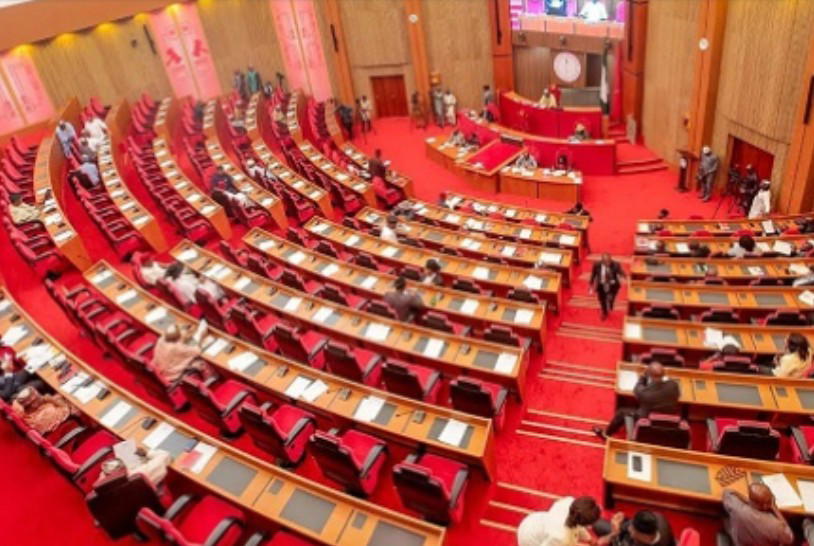
Nigerian Senate: Condemns 2027 Election Violence, Calls for Arrests
Summary
- The Nigerian Senate has strongly condemned political violence, attacks, and disruption of political activities nationwide.
- This condemnation is specifically in anticipation of the 2027 Presidential and general elections.
- Lawmakers explicitly called for the arrest of individuals responsible for these violent acts.
- The Senate's statement underscores the importance of electoral security and adherence to the rule of law.
What Happened
This strong legislative stance is therefore vital for setting a precedent of zero tolerance, promoting a more orderly political climate, and ultimately safeguarding the integrity of Nigeria's democratic future.
The Nigerian Senate has issued a forceful denunciation of various acts of political unrest occurring across the nation. This legislative body specifically condemned instances of political violence, physical assaults, and the obstruction of political gatherings and campaigns. The statement from the Senate underscored the widespread nature of these disturbances, which have been observed in multiple regions.
This strong condemnation comes as the country prepares for the upcoming 2027 Presidential and general elections. The Senate's declaration explicitly linked these disruptive activities to the electoral cycle, indicating a proactive stance against behaviors that could undermine the integrity of the future polls. Lawmakers expressed deep concern over the potential for such incidents to escalate as the election period draws closer.
Furthermore, the Senate's pronouncement included a direct call for law enforcement agencies to apprehend individuals responsible for these violent acts. This directive emphasizes the legislative branch's expectation that perpetrators of political violence will be held accountable, reinforcing the need for order and adherence to legal processes throughout the electoral preparations.
Legal Context
Nigeria's democratic framework relies heavily on the peaceful conduct of electoral activities, with various statutes and constitutional provisions designed to ensure a level playing field and protect citizens' rights to participate without fear. Political violence directly contravenes these foundational principles, posing a significant threat to the legitimacy and fairness of any election. The Senate's recent condemnation serves as a critical reminder of the existing legal obligations to maintain peace and order during political processes.
The responsibility for upholding these laws and ensuring the security of political activities falls squarely on the nation's security apparatus. This includes preventing acts of aggression, protecting participants in political events, and investigating any breaches of peace. The legislative body's strong language highlights a perceived gap in the enforcement of these protections, urging a more robust response from those tasked with maintaining public safety.
By calling for the arrest of perpetrators, the Senate is not introducing new legal mandates but rather reinforcing the imperative for existing laws to be applied rigorously. This stance underscores the legislature's commitment to the rule of law in the electoral context, signaling that political thuggery and intimidation will not be tolerated and must be met with decisive legal action to deter future occurrences.
Why It Matters
The Senate's unequivocal condemnation carries substantial weight, signaling to both political actors and the general populace the gravity with which the nation's highest legislative body views electoral security. Unchecked political violence has historically been a major impediment to credible elections in Nigeria, often leading to reduced voter turnout, compromised results, and a general erosion of public trust in democratic institutions. Addressing these issues proactively is crucial for fostering a conducive environment for the 2027 elections.
A secure and peaceful electoral landscape is fundamental for ensuring that citizens can exercise their franchise freely and without intimidation. When political activities are marred by violence, it not only endangers lives but also distorts the democratic process by suppressing dissent and limiting genuine political participation. The Senate's intervention aims to mitigate these risks by drawing attention to the problem early and demanding accountability.
The call for arrests is particularly significant as it emphasizes the need for tangible consequences for those who engage in or orchestrate political violence. Without effective deterrence through law enforcement, such acts can proliferate, jeopardizing the entire electoral cycle. This strong legislative stance is therefore vital for setting a precedent of zero tolerance, promoting a more orderly political climate, and ultimately safeguarding the integrity of Nigeria's democratic future.
Practical Implications
This article reports a political condemnation rather than a new legal development or actionable directive. While it highlights a concern for the rule of law during elections, it does not present a direct practical implication for lawyers in terms of new compliance obligations, filing deadlines, or legal precedents to cite.
Source
How does this affect you?
Get an AI analysis of this article grounded in your jurisdictions, practice areas, and any policy documents you've uploaded to Wansom.
Finish Reading the Full Story and the Expert Analysis.
Get the latest legal & regulatory intelligence in Nigeria
Wansom is AI and can make mistakes.