
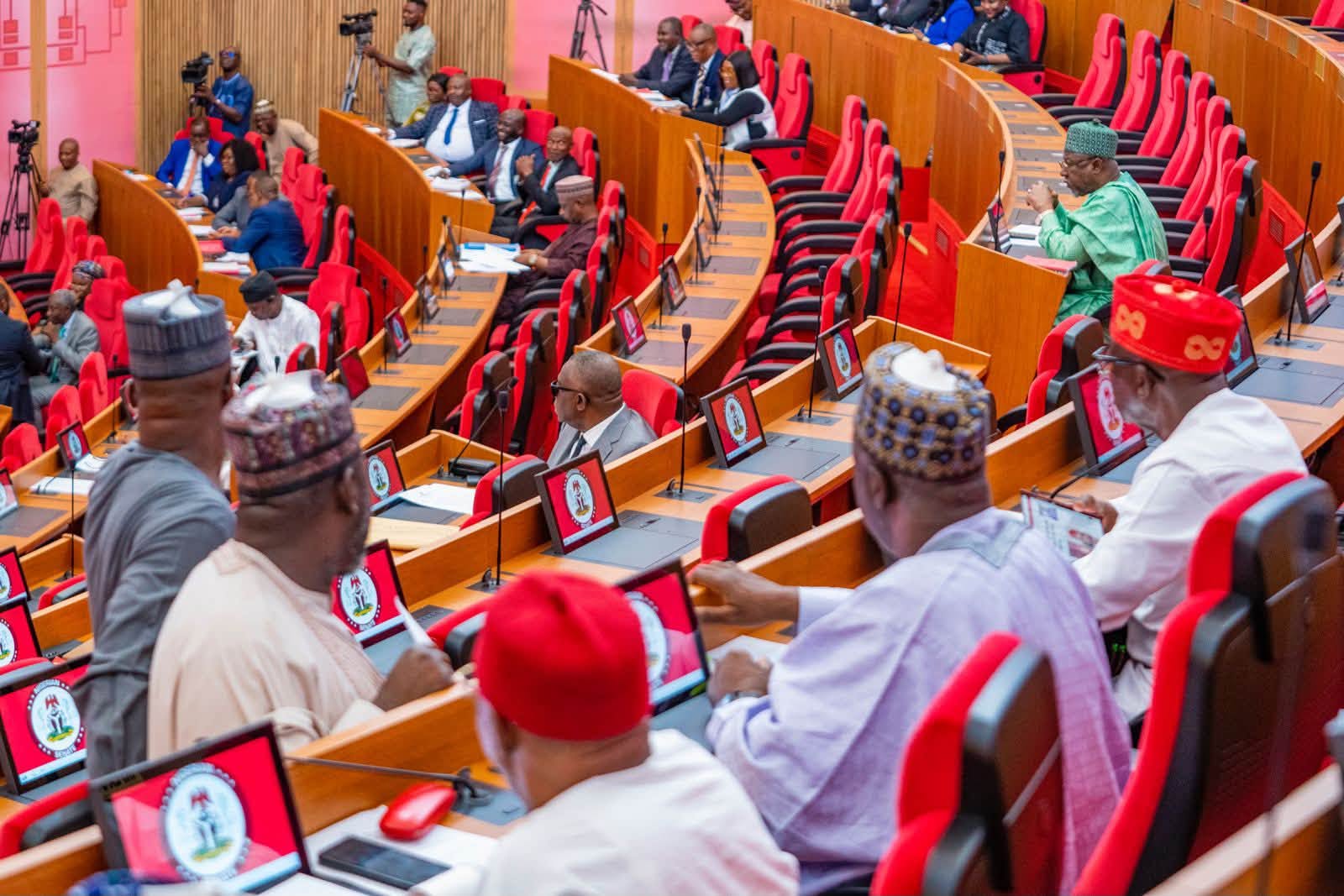
Nigerian Senate: Audit of Presidential Military Aircraft
Summary
- The Nigerian Senate has initiated an audit of presidential and military aircraft.
- Lawmakers are urging the Federal Government to replace its aging aircraft fleets.
- This action follows recurring military air crashes that have claimed the lives of several personnel.
- Concerns include inadequate maintenance, aging fleets, and lapses in safety protocols and airworthiness standards.
Legislative Scrutiny on Government Fleets
The findings of this audit could lead to significant reforms in how government aircraft are maintained, operated, and procured, potentially influencing future legislative action on airworthiness standards and overall aviation safety protocols in Nigeria.
The Nigerian Senate has initiated a comprehensive review of the nation's presidential and military aircraft fleets. This significant legislative action, focusing on a thorough Nigerian Senate audit of presidential and military aircraft, comes in response to growing concerns regarding the operational integrity and safety of government-owned aviation assets. Concurrently with the audit, the legislative body has strongly advised the Federal Government to prioritize the replacement of its aging aircraft, citing the critical need to modernize the fleet.
Underlying Concerns: Safety and Maintenance
The impetus for the Senate's decisive action stems from a deep-seated apprehension among lawmakers that the recurring military air crashes may be symptomatic of systemic issues. Specifically, legislators have pointed to several critical areas of concern, including potentially inadequate Nigerian government aircraft maintenance practices. There is a strong belief that the current maintenance regimes might not be sufficient to ensure the continued airworthiness of the existing fleet, particularly given its advanced age.
Furthermore, the Senate's investigation will delve into potential lapses in operational safety protocols and the adherence to established airworthiness standards Nigeria military aviation units are expected to uphold. These concerns suggest a broader inquiry into the entire lifecycle of military aircraft, from procurement and maintenance to operational deployment. The comprehensive nature of this audit aims to uncover any deficiencies that could compromise the safety of personnel and the effectiveness of national security operations, thereby informing future policy decisions and potentially leading to a robust Nigeria military air crashes investigation framework.
Implications for National Security and Public Trust
The implications of the Senate's push for a thorough Nigerian Senate audit presidential military aircraft and its call for fleet replacement extend beyond immediate operational safety. The tragic loss of numerous service members in recent aviation incidents has a profound impact on national morale and public confidence in the military's capabilities. Addressing the root causes of these crashes, whether they are related to ageing fleets, maintenance shortcomings, or procedural lapses, is crucial for restoring trust and ensuring the well-being of those who serve the nation.
This legislative initiative, where the Senate urges FG fleet replacement, signals a critical juncture for aviation safety and procurement within Nigeria's government and military sectors. It suggests that defense contractors, aviation suppliers, and maintenance providers should anticipate increased scrutiny and potentially stricter compliance demands. The findings of this audit could lead to significant reforms in how government aircraft are maintained, operated, and procured, potentially influencing future legislative action on airworthiness standards and overall aviation safety protocols in Nigeria.
Practical Implications
This development signals heightened legislative scrutiny on aviation maintenance, operational safety, and procurement within Nigeria's government and military sectors. Lawyers advising defense contractors, aviation suppliers, or maintenance providers should anticipate stricter compliance demands and potential contract reviews related to government fleets, as well as possible future legislative action on airworthiness standards.
Source
How does this affect you?
Get an AI analysis of this article grounded in your jurisdictions, practice areas, and any policy documents you've uploaded to Wansom.
Finish Reading the Full Story and the Expert Analysis.
Get the latest legal & regulatory intelligence in Nigeria
Wansom is AI and can make mistakes.