
Nigerian Reps: Probe Public Institution Fee Hikes Amid 100% Increases
Summary
- The Nigerian House of Representatives has initiated an investigation into recent fee increases at public educational institutions.
- Specific committees have been mandated to examine the extent and justification of these fee hikes.
- The probe is particularly focused on instances of 100% fee increases across universities, polytechnics, and colleges of education.
- The legislative action aims to address concerns about the affordability of tertiary education and potentially halt school fee increases in Nigeria.
Legislative Action on Education Costs
The primary objective behind the House's directive is to effectively halt school fee increases in Nigeria, particularly those deemed excessive or unjustified.
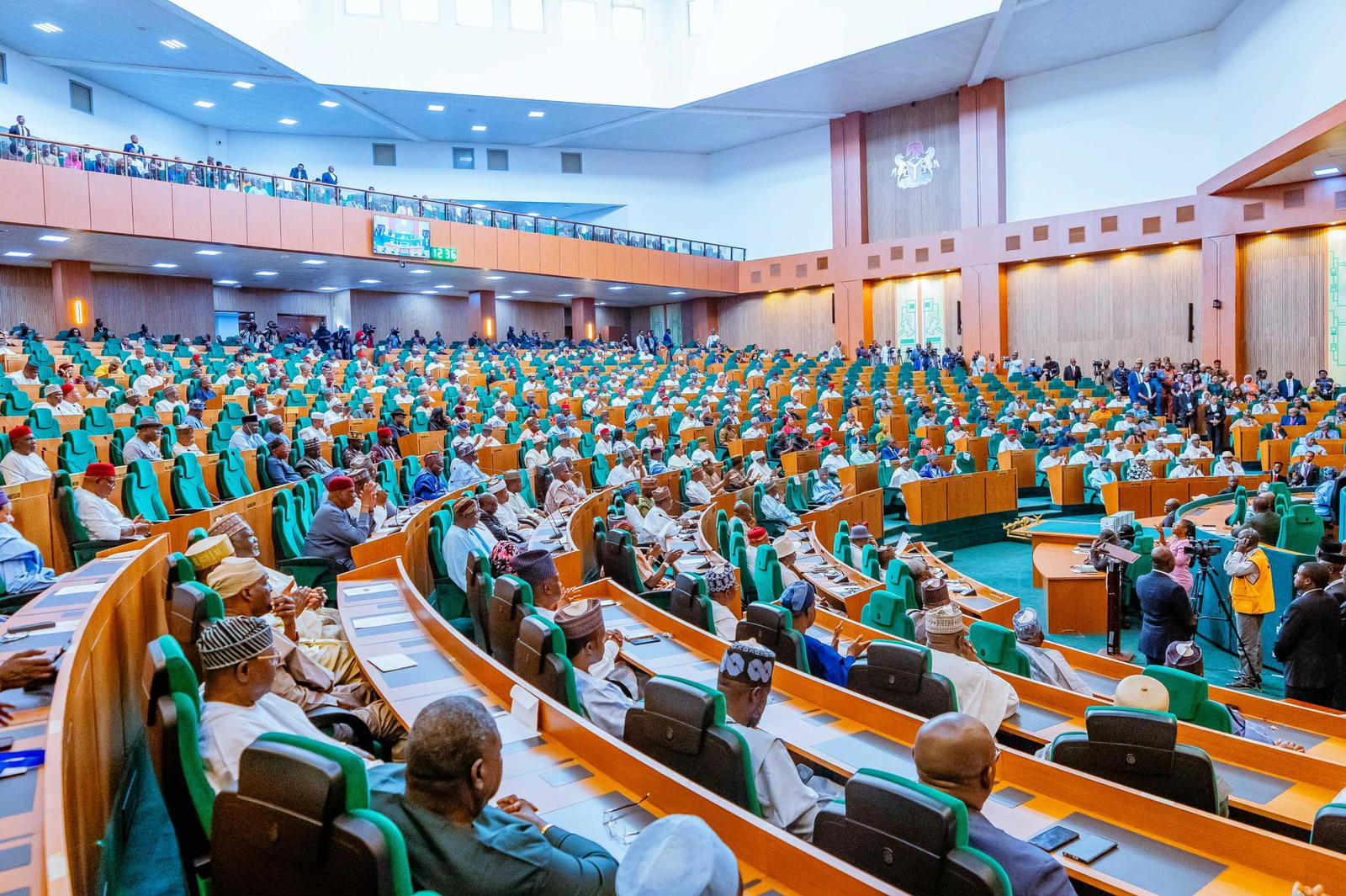
The Nigerian House of Representatives has initiated a comprehensive inquiry into the recent surge in tuition and other charges across the nation's public educational institutions. This significant move by the Nigerian Reps to probe public institution fee hikes comes in response to widespread concerns regarding the affordability of tertiary education. The legislative body has specifically tasked several of its standing committees with the responsibility of scrutinizing these increases.
The committees mandated for this investigation include those overseeing University Education, Federal Polytechnics and Higher Technical Education, and Federal Colleges of Education. Their collective directive is to thoroughly examine both the scope and the underlying rationale behind these fee adjustments. A particular focus of the probe is on instances where public institutions have implemented increases as high as 100%, raising questions about their justification and impact on access to education.
Context of Public Education Financing
This legislative intervention underscores the critical role of the House of Representatives in overseeing public services, particularly in the education sector. Public tertiary institutions in Nigeria are typically established with a mandate to provide accessible and affordable education, often receiving substantial government subventions. Therefore, any significant upward revision of Nigerian tertiary institution costs, especially those reaching a 100% increment, naturally attracts legislative scrutiny regarding financial management and adherence to public service principles.
The investigation into public university fee increases and those in polytechnics and colleges of education reflects a broader concern about the financial burden placed on students and their families. While institutions may cite rising operational costs or dwindling government funding as reasons for fee adjustments, the House's inquiry seeks to ascertain the legitimacy of such claims and ensure that any increases are proportionate, transparent, and do not unduly impede access to learning for the average Nigerian student. This legislative oversight is crucial for maintaining a balance between institutional sustainability and educational accessibility.
Implications for Educational Policy
The primary objective behind the House's directive is to effectively halt school fee increases in Nigeria, particularly those deemed excessive or unjustified. The outcome of this extensive investigation could lead to significant policy recommendations or even new legislative frameworks governing how public educational institutions set their fees. Should the committees find evidence of unwarranted or exploitative increases, the House could move to implement measures that cap future fee adjustments or introduce stricter regulatory oversight.
For students and their families, a successful intervention by the House could alleviate immediate financial pressures and ensure that tertiary education remains within reach for a wider segment of the population. For the institutions themselves, the probe serves as a clear signal that their fee-setting autonomy is subject to legislative review and public accountability. The findings of this public university fee investigation will undoubtedly shape future discussions on the funding model for Nigerian tertiary institutions, potentially leading to reforms aimed at balancing institutional financial health with the imperative of affordable education.
Practical Implications
Lawyers advising public educational institutions in Nigeria should closely monitor the outcome of this House of Representatives investigation, as it could lead to new legislative directives, policy changes, or regulatory actions impacting tuition fees and institutional autonomy. Compliance officers should prepare for potential adjustments to fee structures.
Source
How does this affect you?
Get an AI analysis of this article grounded in your jurisdictions, practice areas, and any policy documents you've uploaded to Wansom.
Finish Reading the Full Story and the Expert Analysis.
Wansom is AI and can make mistakes.