
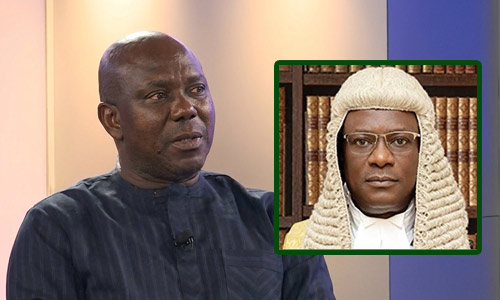
Nigerian Lawyer Kalu Kalu Criticizes Justice Lifu Over ADC Judgment
In Nigeria, lawyer Kalu Kalu, a member of the African Democratic Congress (ADC), publicly criticized Justice Peter O. Lifu of the Federal High Court over a judgment concerning the party's leadership dispute, making remarks on Channels Television that he later withdrew.
This incident highlights the delicate balance between a legal practitioner's right to free speech and the professional obligation to uphold the dignity and integrity of the judiciary. While lawyers are entitled to critique judicial decisions through appropriate legal channels, such as appeals, public disparagement of a judge, especially with derogatory language, can constitute professional misconduct or even contempt of court. Such actions risk undermining public confidence in the judicial system and can lead to disciplinary proceedings by the Legal Practitioners Disciplinary Committee. The prompt withdrawal of the remarks, though prompted by the television presenter, suggests an acknowledgment of the impropriety of the initial statements.
The legal context for this situation is governed by the Legal Practitioners Act and the Rules of Professional Conduct for Legal Practitioners in Nigeria, which mandate respect for the courts and judicial officers. Rule 31 of the Rules of Professional Conduct, for instance, prohibits lawyers from engaging in conduct that is unbecoming of a legal practitioner or that tends to bring the legal profession into disrepute. Furthermore, courts possess inherent powers to punish for contempt, which includes acts calculated to interfere with the administration of justice or to lower the authority of the court. Justice Peter O. Lifu presides over the Federal High Court, a court of superior record with jurisdiction over various federal matters, including political party disputes. The key parties involved are Kalu Kalu, Esq., Justice Peter O. Lifu, the African Democratic Congress (ADC), and Channels Television.
For legal practitioners, this serves as a critical reminder of the ethical boundaries governing public commentary on judicial matters. Attorneys must channel their grievances through established legal processes, such as filing appeals or reviews, rather than resorting to personal attacks or unsubstantiated criticisms of judges in public forums. Maintaining decorum and respect for the judiciary is not merely a matter of etiquette but a professional obligation with potential disciplinary consequences. Lawyers should carefully consider the implications of their public statements to avoid actions that could be construed as professional misconduct or contempt of court, thereby protecting their professional standing and the integrity of the legal system.
How does this affect you?
Get an AI analysis of this article grounded in your jurisdictions, practice areas, and any policy documents you've uploaded to Wansom.
Finish Reading the Full Story and the Expert Analysis.
Get the latest legal & regulatory intelligence in Nigeria
Wansom is AI and can make mistakes.