
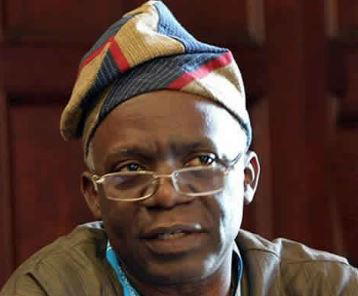
Nigerian Federal High Court: Chief M.K.O. Abiola Charged with Treasonable Felony in Government Custody
Summary
- Chief M.K.O. Abiola declared himself President on June 12, 1994, citing his victory in the June 12, 1993 presidential election.
- He was arrested and charged with treasonable felony at the Federal High Court, sparking a crisis that would have far-reaching consequences for Nigeria.
- Abiola's detention was marked by incommunicado conditions, intense pressure, and intimidation, but he refused to back down despite overwhelming odds.
- The Abacha regime's human rights abuses continue to haunt Nigeria today, with many calling for accountability and justice.
The Arrest and Charges
Despite these efforts, Chief Abiola remained steadfast in his claims of innocence, refusing to back down even in the face of overwhelming odds.
On June 12, 1994, Chief M.K.O. Abiola declared himself President of Nigeria, citing his victory in the June 12, 1993 presidential election as justification. This move was seen as a challenge to the authority of General Sani Abacha's military junta, which had seized power in a coup. The government responded swiftly, arresting Chief Abiola and charging him with treasonable felony at the Federal High Court. The charges were a serious blow to Chief Abiola's hopes for a peaceful resolution to the crisis.
The Conditions of Detention
While in detention, Chief Abiola was held incommunicado in a military facility, cut off from his family and lawyers. The exact conditions of his detention remain unclear, but it is known that he was subjected to intense pressure and intimidation in an effort to extract a confession or recantation. Despite these efforts, Chief Abiola remained steadfast in his claims of innocence, refusing to back down even in the face of overwhelming odds.
The Legacy of Abuse
Chief Abiola's arrest and detention were just two examples of the widespread human rights abuses perpetrated by the Abacha regime. The regime's treatment of its opponents was marked by brutality, repression, and a complete disregard for the rule of law. The legacy of these abuses continues to haunt Nigeria today, with many calling for accountability and justice for the victims of this dark period in the country's history.
Practical Implications
Lawyers should watch for potential precedent and implications for future cases involving high-profile arrests and detention, as well as the ongoing quest for accountability and justice in Nigeria's troubled history.
Source
How does this affect you?
Get an AI analysis of this article grounded in your jurisdictions, practice areas, and any policy documents you've uploaded to Wansom.
Wansom is AI and can make mistakes.