
Nigerian Catholic Bishops Criticize Tinubu's Economic Policies
Summary
- President Bola Ahmed Tinubu's meeting with Catholic Bishops of Nigeria Conference turned dramatic when they criticized his economic policies.
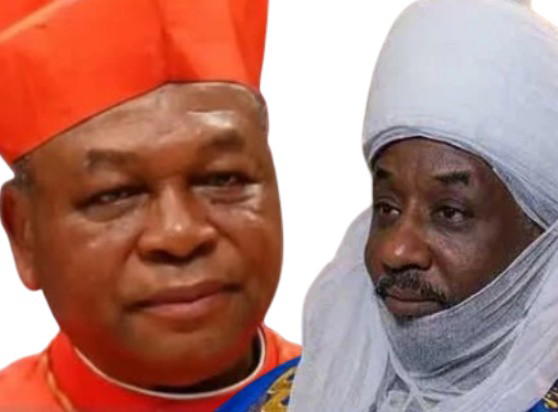
- Cardinal John Onaiyekan and Emir of Kano, Muhammad Sanusi II, led the criticism of Tinubunomics for its perceived negative impact on the economy and citizens.
- The bishops' stance has sparked a heated debate about the country's economic direction and the government's ability to balance policies with stakeholder needs.
- This development may set a precedent for future interactions between the government and religious organizations, with implications for compliance and regulatory frameworks.
What Happened
The bishops' criticism of Tinubunomics has sent shockwaves through the government and has sparked a heated debate about the country's economic direction.
A routine meeting between President Bola Ahmed Tinubu and the Catholic Bishops of Nigeria Conference took an unexpected turn last week. The meeting, which was meant to be a routine affair, turned into a dramatic confrontation when the bishops expressed their discontent with the government's economic policies. Specifically, they criticized the Tinubunomics, a set of economic policies introduced by President Tinubu, for its perceived negative impact on the country's economy and citizens.
The bishops' criticism was led by two prominent figures: Cardinal John Onaiyekan and Emir of Kano, Muhammad Sanusi II. Both men are respected leaders in their respective fields and are known for their strong views on social and economic issues. Their criticism of Tinubunomics has sent shockwaves through the government and has sparked a heated debate about the country's economic direction.
Legal Context
The Catholic Bishops' criticism of Tinubunomics is significant because it highlights the potential for conflict between the government and religious organizations. The bishops' stance on the economy is not new, but their public expression of discontent has raised questions about the government's ability to balance its economic policies with the needs and concerns of various stakeholders, including religious groups. This development may have implications for future government decisions and compliance with religious organizations.
In Nigeria, the relationship between the government and religious leaders is complex and multifaceted. While the government has traditionally enjoyed a close relationship with the Catholic Church, recent events suggest that this dynamic may be changing. The bishops' criticism of Tinubunomics has sparked a debate about the role of religion in Nigerian politics and the limits of government authority.
Lawyers should take note of this development as it may set a precedent for future interactions between the government and religious organizations. As the country's economic policies continue to evolve, it is essential that the government remains mindful of the potential consequences of its actions on various stakeholders, including religious groups.
Why It Matters
The Catholic Bishops' criticism of Tinubunomics has significant implications for Nigeria's economic and political landscape. The bishops' stance on the economy is not just a matter of personal opinion but reflects the concerns of millions of Nigerians who are struggling to make ends meet. By speaking out against Tinubunomics, the bishops have highlighted the need for more inclusive and equitable economic policies that prioritize the needs of all citizens.
The government's response to the bishops' criticism will be closely watched by observers both within and outside Nigeria. The outcome of this development may set a precedent for future interactions between the government and religious organizations, with implications for compliance and regulatory frameworks. As the country navigates its economic challenges, it is essential that the government remains responsive to the needs and concerns of various stakeholders, including religious groups.
Practical Implications
Lawyers should watch for potential precedent in the Catholic Bishops' criticism of Tinubu's economic policies, which may influence future government decisions and compliance with religious organizations.
Source
How does this affect your business?
Get an AI analysis of this article grounded in your jurisdictions, practice areas, and any policy documents you've uploaded to Wansom.
Wansom is AI and can make mistakes.