
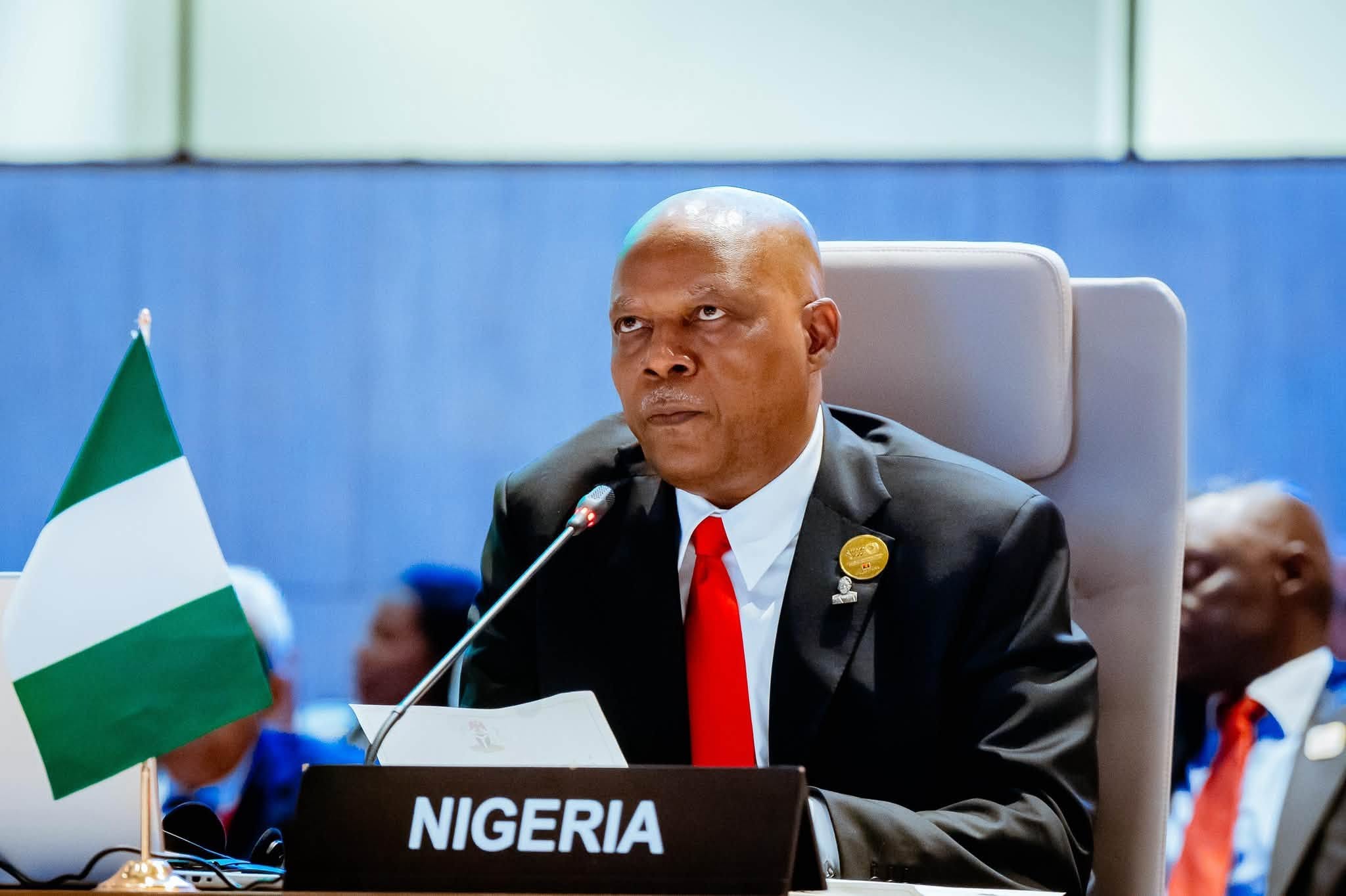
Nigeria Urges AU Action: Stronger Stance on South Africa Xenophobia
Summary
- Nigeria's president declared that "enough is enough" regarding xenophobia.
- The president demanded urgent action to sustain Africa's solidarity and unity.
- This call is being made at the 21st Extraordinary AU Summit.
- Nigeria specifically urged the African Union to take stronger action against South Africa.
- The demand highlights concerns over xenophobia's impact on continental cohesion.
Nigeria's Urgent Demand for AU Intervention
For international law practitioners and compliance officers, the AU's eventual response will be a key indicator of its commitment to upholding human rights across Africa and its willingness to enforce its principles, potentially setting precedents for future interventions.
Nigeria's president has issued a forceful declaration, stating that "enough is enough" regarding the persistent issue of xenophobia. This strong sentiment is being articulated during the 21st Extraordinary AU Summit, where the Nigerian leader is pressing for immediate and decisive measures. The core objective of this urgent appeal is to safeguard and uphold the fundamental principles of Africa's solidarity and unity, which are perceived to be under threat by these recurring incidents.
At the heart of this diplomatic push, Nigeria explicitly urged the African Union to implement more robust actions directed at South Africa. This call for stronger intervention underscores a growing frustration within the continent over the handling of xenophobic attacks. The demand highlights a critical juncture for the AU, as it faces pressure to demonstrate its capacity to address internal conflicts and protect the rights and dignity of all Africans.
The African Union's Mandate and Regional Stability
The African Union (AU) is tasked with fostering peace, security, and human rights across its member states, operating under foundational principles that champion unity, solidarity, and non-discrimination. Nigeria's recent appeal for stronger action against South Africa regarding xenophobia directly challenges the AU to fulfill this mandate. Xenophobic violence fundamentally undermines the very fabric of continental cohesion that the AU strives to maintain, posing a significant threat to regional stability and the spirit of Pan-Africanism.
This situation places the AU in a critical position, requiring it to consider how best to respond to calls for intervention that address human rights violations within a member state. The nature of any "stronger action" could range from diplomatic pressure and mediation to more stringent measures, all aimed at ensuring compliance with international norms and the AU's own charter. For international law practitioners and compliance officers, the AU's eventual response will be a key indicator of its commitment to upholding human rights across Africa and its willingness to enforce its principles, potentially setting precedents for future interventions.
Diplomatic Ramifications and Future Outlook
The Nigerian president's public demand at such a high-profile forum as the 21st Extraordinary AU Summit carries significant diplomatic weight, particularly for Nigeria-South Africa diplomatic relations. Both nations are economic powerhouses on the continent, and any perceived inaction or inadequate response from the AU could strain these crucial bilateral ties further, impacting trade, investment, and collaborative initiatives across various sectors.
Moreover, the AU's handling of Nigeria's call for stronger action against xenophobia in South Africa will inevitably influence its credibility and effectiveness as a continental body. A decisive and principled response could reinforce the AU's role as a guardian of human rights and regional stability, while a hesitant or insufficient reaction might weaken its authority. Compliance officers and international law practitioners should closely monitor the developments, as potential diplomatic or economic measures could have far-reaching implications for international business operations, human rights compliance frameworks, and the broader landscape of regional stability for clients operating within these jurisdictions.
Practical Implications
Compliance officers and international law practitioners should monitor the African Union's response to Nigeria's call for stronger action against South Africa, as potential diplomatic or economic measures could impact international business operations, human rights compliance, and regional stability for clients operating in these jurisdictions.
Source
How does this affect you?
Get an AI analysis of this article grounded in your jurisdictions, practice areas, and any policy documents you've uploaded to Wansom.
Finish Reading the Full Story and the Expert Analysis.
Wansom is AI and can make mistakes.