
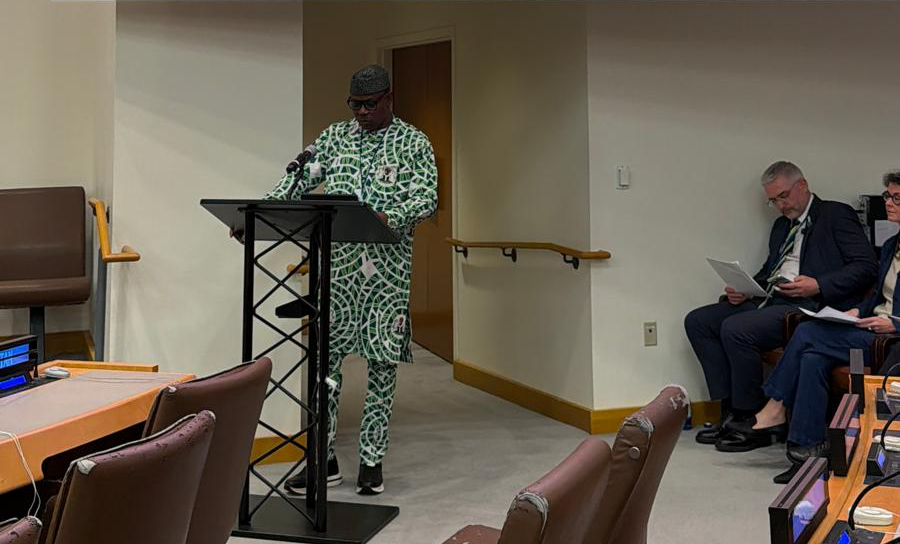
Nigeria: Demands UN Pandemic Financing Access for Vulnerable Nations
Summary
- Nigeria urged the international community to improve access to pandemic preparedness financing.
- The call specifically targeted low- and middle-income countries for easier financial access.
- Nigeria also advocated for equitable global access to vaccines, diagnostics, and therapeutics.
- These demands were made during a recent United Nations meeting.
Nigeria's Call for Global Health Equity
This push could influence future international health regulations and agreements, potentially impacting pharmaceutical supply chains and market access strategies for healthcare providers globally.
At a recent high-level United Nations assembly, Nigeria issued a compelling call to the international community, advocating for substantial reforms in global health crisis response. The nation specifically urged for enhanced accessibility to financial resources dedicated to pandemic preparedness, emphasizing the critical need for these funds to reach low- and middle-income countries more readily. This intervention underscores a broader push for a more inclusive global health framework, ensuring that nations with fewer economic resources are not left vulnerable during future health emergencies.
Beyond financial mechanisms, Nigeria also highlighted the imperative for equitable distribution of essential medical tools. The country's representatives stressed that vaccines, diagnostics, and therapeutics, which are vital for combating widespread diseases, must be made available fairly across all nations. This stance reflects a commitment to addressing systemic disparities in global health, aiming to prevent a repeat of past scenarios where wealthier nations secured disproportionate access to life-saving medical supplies.
The Imperative for Accessible Pandemic Financing
The demand for streamlined access to UN pandemic preparedness financing for Nigeria and other low-income countries' health systems is rooted in the recognition that global health security is indivisible. Effective preparedness requires significant investment in infrastructure, training, and surveillance capabilities, areas where developing nations often face considerable funding gaps. Nigeria's advocacy at the United Nations seeks to rectify these imbalances, proposing that international community pandemic financing structures be re-evaluated to better serve the most vulnerable populations.
Ensuring that financial pathways are less encumbered for these nations is crucial for building resilient health systems worldwide. Without adequate and timely funding, the capacity of low- and middle-income countries to respond effectively to emerging pathogens remains compromised, posing a risk not only to their own citizens but to global health at large. This proactive engagement by Nigeria aims to foster a more robust and equitable global health architecture, where financial barriers do not impede essential readiness efforts.
Advocating for Equitable Medical Access
Nigeria's insistence on equitable vaccine access, alongside fair distribution of diagnostics and therapeutics, addresses a core challenge observed during recent global health crises. The experience of previous pandemics demonstrated significant disparities in the availability of crucial medical interventions, with high-income countries often securing the lion's share of supplies. This unequal distribution not only prolonged suffering in many regions but also highlighted the ethical and practical shortcomings of existing global allocation mechanisms.
The nation's position at the UN meeting signals a strong commitment to Nigeria global health equity, advocating for policies that prioritize human life over economic power in times of crisis. Such a framework would necessitate international agreements and regulatory adjustments to ensure that essential medical supplies are treated as global public goods, accessible to all who need them, regardless of their nation's economic standing. This push could influence future international health regulations and agreements, potentially impacting pharmaceutical supply chains and market access strategies for healthcare providers globally.
Broader Implications for Global Health Policy
Nigeria's articulated policy stance on global health financing and equitable vaccine access carries significant weight for future international agreements and domestic regulations. By actively championing these issues at a prominent international forum like the United Nations, Nigeria is helping to shape the discourse around global health governance. This advocacy could lead to the development of new frameworks for international community pandemic financing, potentially introducing more stringent requirements for equitable distribution and accessibility.
For legal professionals advising pharmaceutical companies or healthcare providers, these discussions are particularly pertinent. Any shifts in international policy towards greater equity in access and financing could directly impact market access strategies, intellectual property considerations, and compliance frameworks for companies operating in the global health sector. Monitoring these evolving discussions is crucial for anticipating changes that might affect product development, distribution, and regulatory approvals in various jurisdictions, including Nigeria.
Practical Implications
This article signals Nigeria's policy stance on global health financing and vaccine equity, which may influence future international agreements or domestic regulations. Lawyers advising pharmaceutical companies or healthcare providers should monitor these discussions for potential impacts on market access or compliance frameworks.
Source
How does this affect you?
Get an AI analysis of this article grounded in your jurisdictions, practice areas, and any policy documents you've uploaded to Wansom.
Finish Reading the Full Story and the Expert Analysis.
Get the latest legal & regulatory intelligence in Nigeria
Wansom is AI and can make mistakes.